Branding
May 21, 2026


Your brand is starting to feel off. Maybe you've grown into new markets, pivoted your offering, or just cringe every time you hand someone a business card. Everyone around you is throwing around the word "rebrand," but that word covers a lot of ground, and a lot of budget.
Here's the thing: not every brand problem needs a full rebrand. And if you go full-overhaul when all you needed was a tune-up, you'll burn months of time and serious money on work that didn't need to happen.
This guide helps you figure out exactly which path you're on.
These two terms get used interchangeably, but they mean very different things.
A brand refresh is a visual tune-up. You're keeping the same core identity, same positioning, same audience. You're just tightening the execution. Think: logo proportions cleaned up, color palette modernized, typography made more consistent, visual system extended to new formats.
Same brand. Cleaner look.
Timeline: weeks, not months. Cost: lower. Risk: minimal.
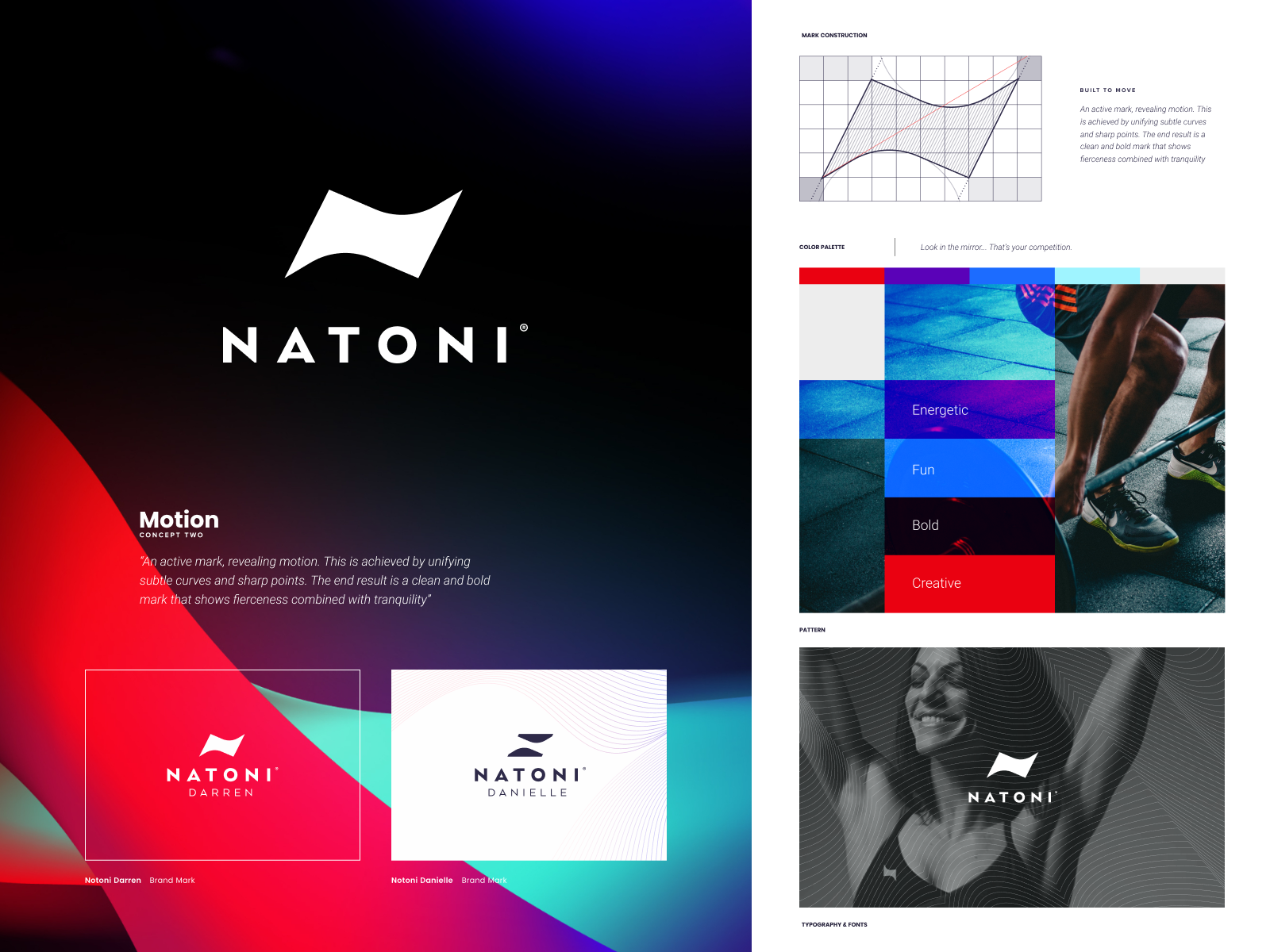
A full rebrand is a different thing entirely. You're repositioning the business: possibly a new name, definitely new messaging, new visual identity built from scratch, and a whole lot of internal change management to go with it.
This isn't a tune-up. You're building a new car.
Timeline: months. Cost: significant. Risk: real (customers may not recognize you; employees need realigning).
Rebranding your business is sometimes necessary. But it's never something to stumble into because someone said "we need a rebrand" in a Slack channel.
Start here. Most growing brands fall into this bucket.
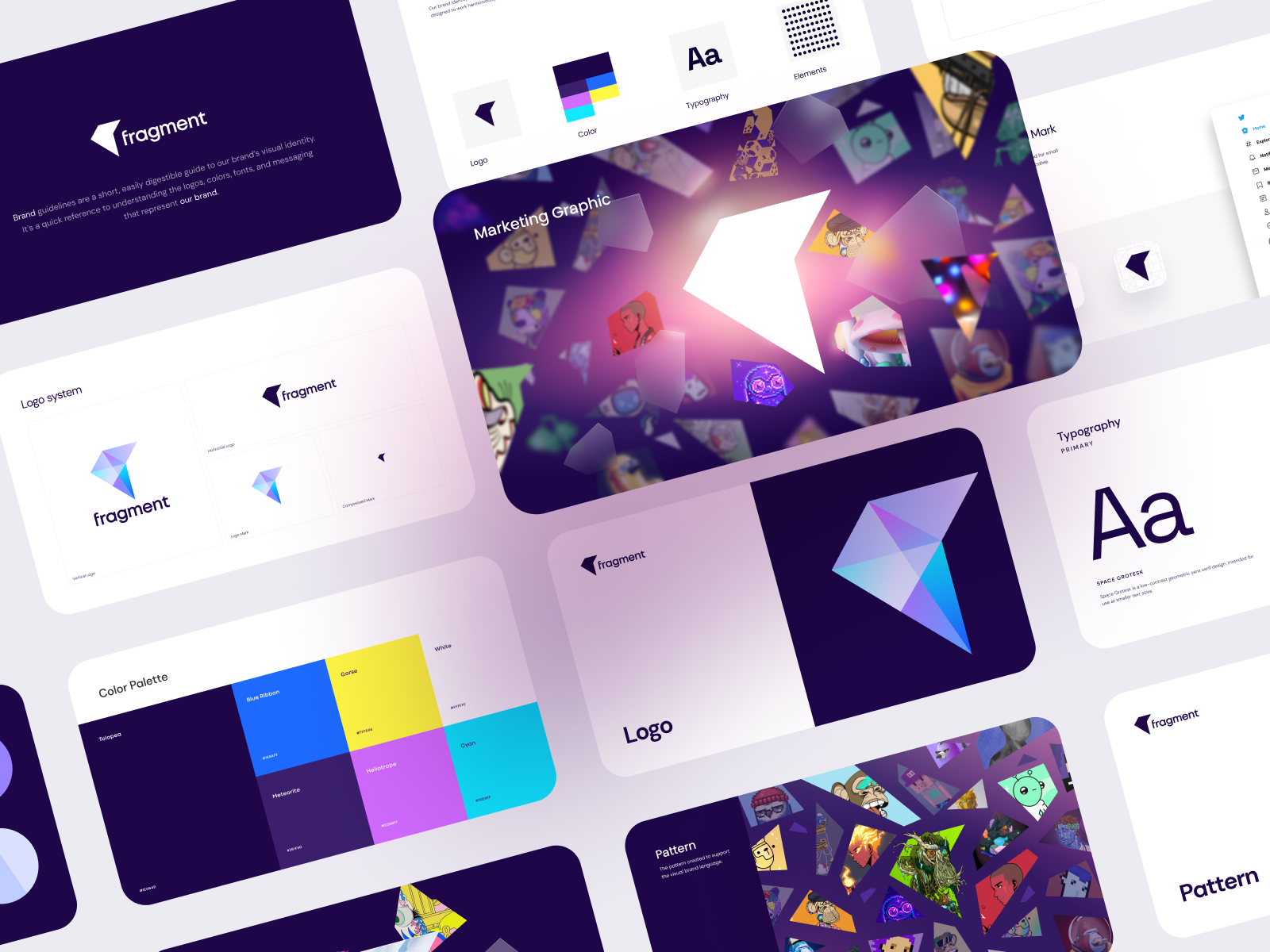
The brand looks dated, but it's still accurate. You're still the same company serving the same customers. The logo just looks like it was made in 2014 because it was. A refresh fixes this without touching your positioning.
The logo doesn't scale. You launched with a wordmark that looked great on a website header and terrible as a favicon. New channels, new product lines, and new contexts are exposing the gaps in your visual system.
Typography and color feel inconsistent. If different team members are making different calls on what's "on brand," you don't have a brand problem: you have a systems problem. Tightening up your visual guidelines solves this.
You're embarrassed to hand out business cards. This is a real and valid signal. But embarrassment about design execution is different from embarrassment about who your company is. If it's just the visuals that feel off, a refresh is your answer.
There are situations where a refresh won't cut it. Here's when you need to go deeper.
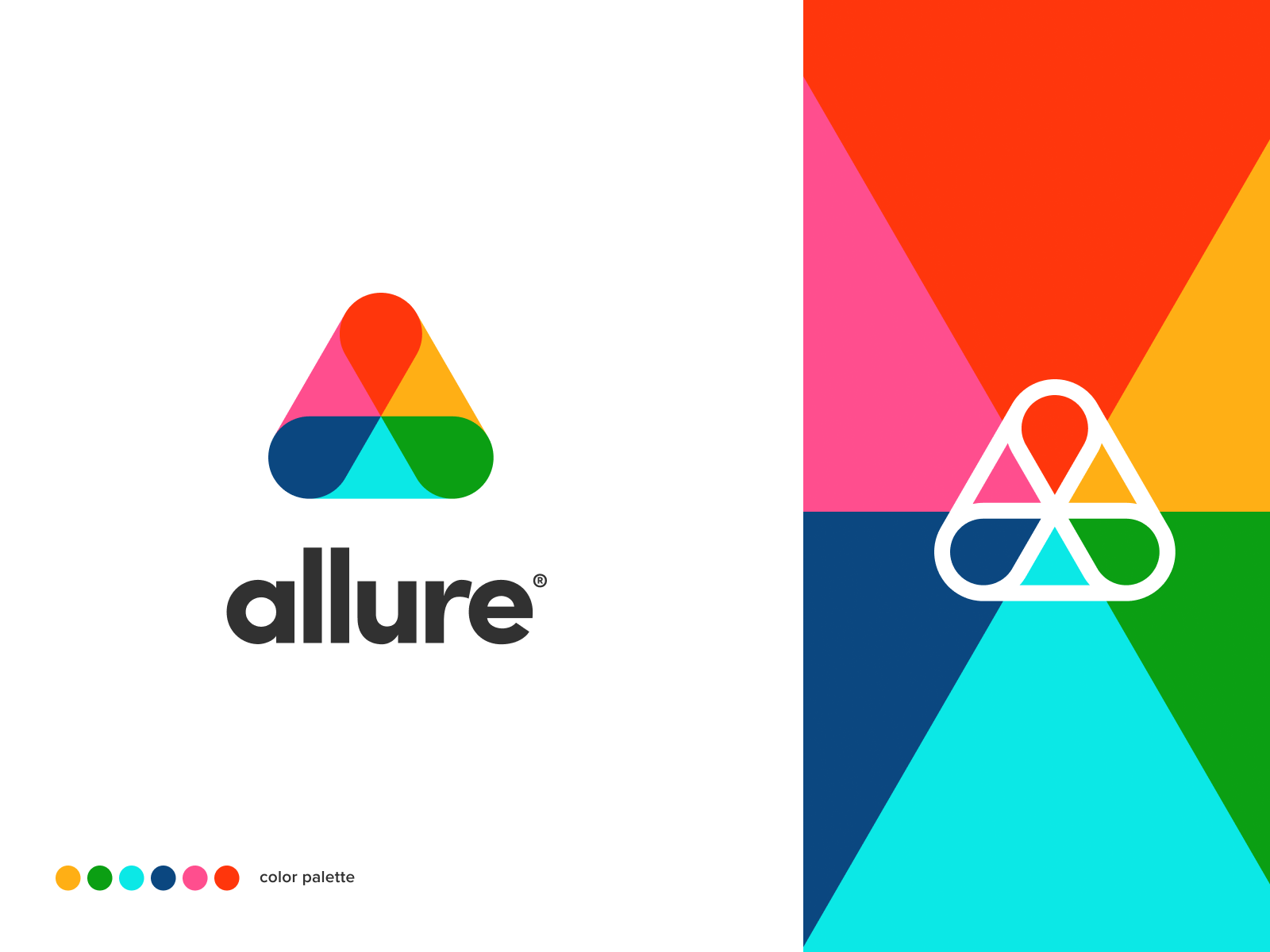
You've pivoted to a different audience or market. If the customers you're targeting today are genuinely different from the ones you built the brand around, your visual identity and messaging need to follow. A new coat of paint on the wrong positioning won't help.
The name or positioning no longer fits. This one's painful but clear. If people constantly misunderstand what you do, if the name implies something you've moved away from, or if your tagline describes a business you no longer run, it's rebrand territory.
You're recovering from reputation damage. Sometimes a brand carries associations that are hard to shake. A full rebrand can signal a genuine shift, but only if the underlying change is real. Cosmetic rebranding on a culture that hasn't changed just becomes a PR story.
You merged, acquired, or were acquired. Two companies becoming one almost always requires rebrand work. You can't staple two identities together and call it a system.
The old brand actively repels the customers you want now. This is different from just looking dated. If your current visual identity is creating friction with your target audience (signaling the wrong price point, the wrong industry, the wrong era), a refresh won't fix it. You need to start fresh.
Before making a call on direction, it helps to see what the output looks like on both ends of the spectrum.
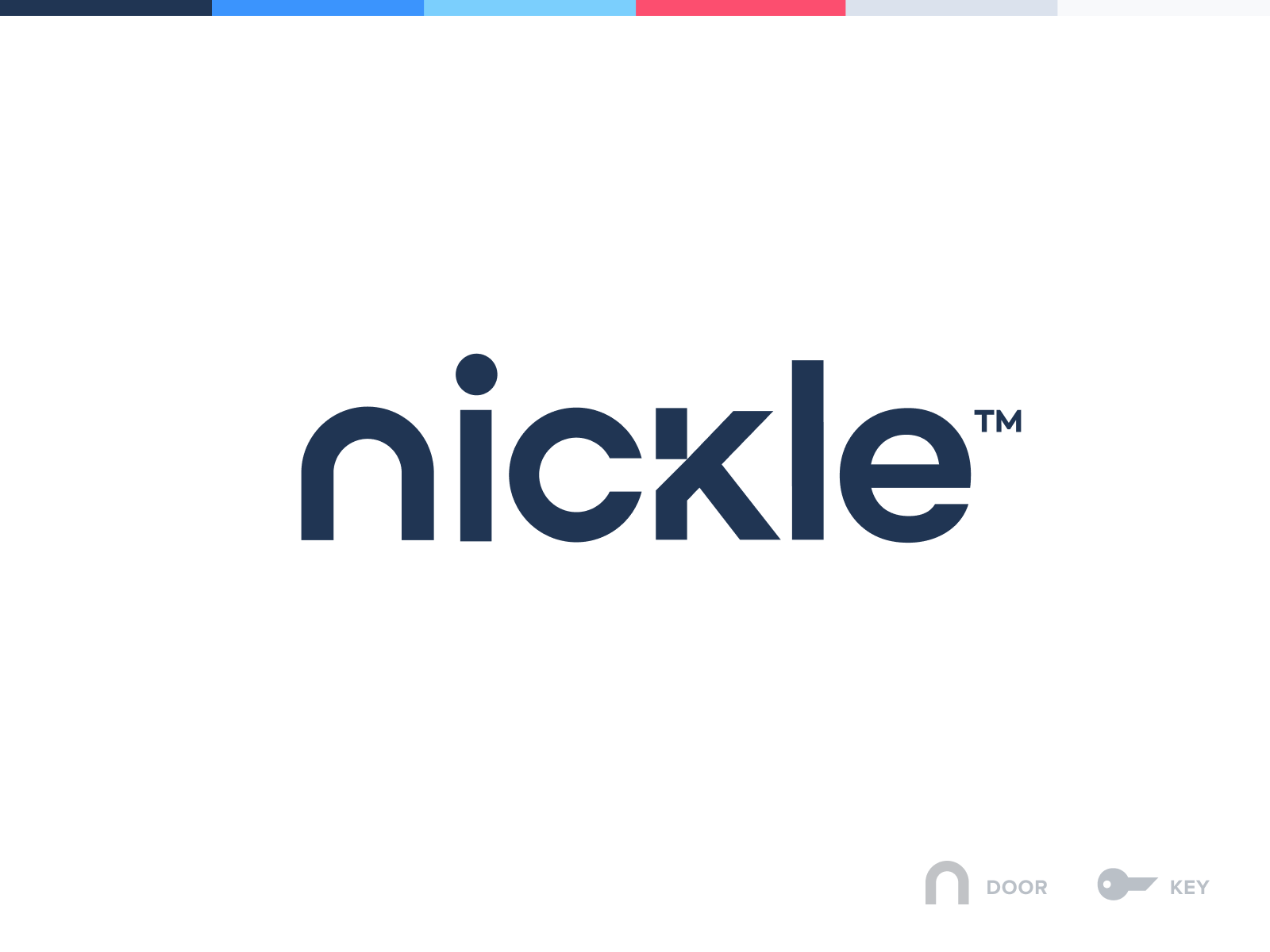
A refresh typically produces tightened logo files, a cleaned-up color palette with proper accessibility ratios, a defined type system, and a set of usage guidelines. The result feels familiar but elevated.
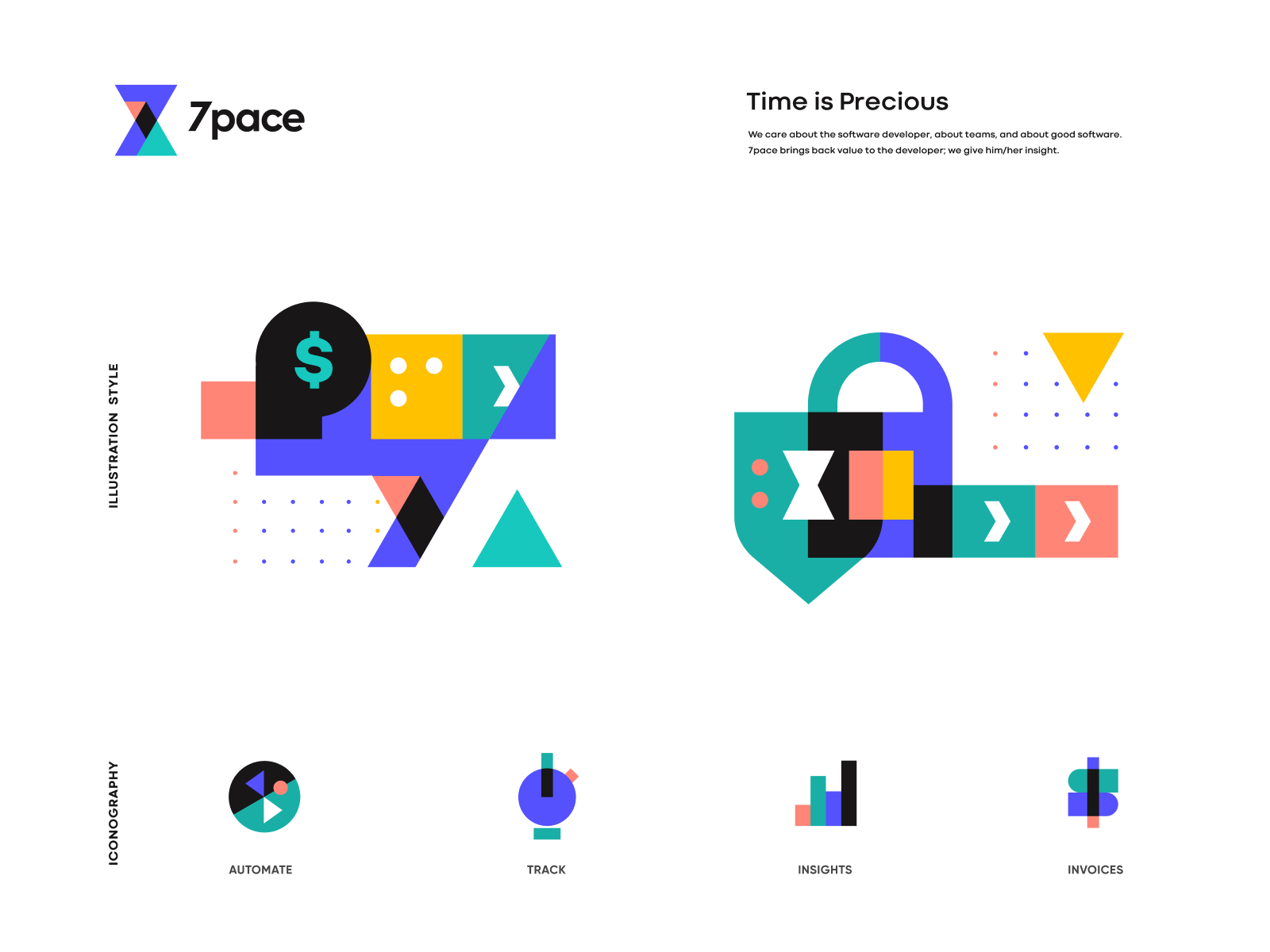
A full rebrand produces something new: custom logomark, original color language, a visual system with personality built in, and messaging architecture that explains who you are and who you're for.
Both are legitimate outcomes. The question is which one your situation actually calls for.
One useful mental check: show your brand to someone who doesn't know your company. What do they think you do? Who do they think you serve? If their answers are in the right ballpark, you have an aesthetic problem. If they're completely off, you have a positioning problem. That gap tells you a lot about which direction to go.
Not sure which path you're on? Run through these three questions.
If you could wave a wand and make your logo look better, would the business feel right? If yes, you have a visual problem. Refresh.
If the logo looked amazing but you'd still feel like you were misrepresenting what you do, that's a positioning problem. Rebrand.
Think about your customers from three years ago versus today (or where you want to be in three years). Are they the same type of person with the same needs, or has that profile fundamentally shifted?
Same audience, different design: refresh. Different audience: rebrand.
If you said your company name out loud to your ideal customer and they immediately got it, you're in good shape. If you find yourself explaining away the name, apologizing for it, or watching people's faces when they hear it, that's a signal.
Name still works: refresh is probably enough. Name is a liability: full rebrand, starting with strategy.
If you answered "refresh" to all three, you know what to do. If you got a mix (especially if question one and question two pulled in different directions), that's worth a conversation before you commit to either path. A lot of brands land in the middle, and the right call depends on specifics that a framework can't fully capture.
That's exactly the kind of conversation worth having before you spend anything.
Book a call and we'll talk through where your brand actually stands. Sometimes 30 minutes of honest conversation saves you six months of work going the wrong direction.
We handle these two paths differently, because they are different.
For brand refreshes, a Jamm design subscription works particularly well. You get dedicated design capacity to work through the logo cleanup, rebuild the visual system, and produce all the updated assets across your channels. It moves fast, it's iterative, and you stay in control.
For full rebrands, we scope these as dedicated projects. A rebrand needs strategy work up front (audience definition, positioning, naming considerations) before any design starts. We do that work together, then build the visual identity to match.
Either way, the goal is a brand that actually fits the company you are right now, not the one you were when you filed the LLC.
The design world is also changing fast. Tools have gotten dramatically more capable, and understanding how design and AI work together is becoming a real competitive advantage. But the strategic question of what your brand should say and who it should say it to? That's still human work.
Whether you need a refresh or a full rebrand, the worst outcome is doing nothing while your brand quietly works against you.
See our branding work and get a feel for the range of what's possible. When you're ready to talk specifics, we're easy to reach.
Hire a team of top level professionals for less money than hiring a single designer. Stupid simple design subscription service to level-up your business!
Looking forward to potentially working with ya ✌️


