Branding
May 21, 2026

You find the term "unlimited design subscription" and something clicks. No more scope arguments. No more hourly billing surprises. No more waiting three weeks to get an agency to schedule a kickoff call. Just one flat rate and a team that keeps cranking out work.
It sounds perfect. And honestly, for the right use case, it pretty much is.
But "unlimited" is a word that earns its skepticism. So here's the actual breakdown: what you get, what you don't, where this model shines, and where it falls short. No hype, just clarity.
The core mechanic of every unlimited design subscription is this: you can submit as many requests as you want, and they get worked through one at a time. Think of it less like a vending machine and more like a really talented chef who will cook you anything, but one dish at a time.
The "unlimited" part is real: there's no cap on how many requests you can submit, no extra charge for complex projects, and no bill shock at the end of the month. You pay your flat rate, you queue up work, and the team moves through it.
What this means in practice: active teams with a steady stream of requests (think weekly social assets, landing page refreshes, email headers, pitch deck slides) get tremendous value because work is always moving. Teams that batch up everything into one giant sprint every six months will see less return on the model.
You're not getting a junior designer refreshing their portfolio on your dime. A quality unlimited graphic design service pairs you with senior-level creatives who've seen enough briefs to know when to ask a clarifying question and when to just make a smart call.
The workflow is async: you brief, they design, you review, they revise. Most requests come back within two business days. It's not a Slack-native, always-on, hop-on-a-call model, and that's a feature, not a bug. The async structure keeps designers in flow state rather than pinballing between meetings, which means better output for you.
No retainer renegotiation. No "we need to scope this separately." No invoice that somehow doubles what you expected. One monthly number, everything included, stop whenever you want.
For founders and lean marketing teams, this is a real unlock. Predictable spend means you can actually plan around design capacity instead of treating it as an unpredictable line item.
This is the part most subscription landing pages gloss over. Let's fix that.
Two business days covers most requests well. But if you're launching tomorrow and just decided you need a full pitch deck redesigned tonight, no subscription service can promise a miracle. Complex work takes the time it takes, and the async model means there's a natural rhythm to revisions.
If your business regularly involves fire-drill timelines, factor that in.
A design subscription produces design. It doesn't produce a brand strategy document, a positioning workshop, a naming exercise, or a competitive audit. Those are consulting engagements with a different kind of work and a very different billing structure.
If you haven't done the foundational brand work yet, a subscription can still help you move fast on executional design, but you'll need to bring the strategic direction yourself (or hire separately for it).
Graphic design in web contexts often blurs the line between design and development. Most design subscriptions cover design files: Figma layouts, graphics, visual assets, and the like. If you need Webflow builds, custom CSS, or interactive components actually coded, make sure your subscription explicitly includes development work before you assume it does.
You're steering the ship. The subscription keeps designers working, but someone on your team still needs to brief requests, prioritize the queue, and consolidate feedback. If you need a dedicated project manager who attends your standups and manages stakeholder input, that's a different engagement.
Some use cases are a near-perfect fit:
The sweet spot is teams where design demand is high and recurring, not occasional and episodic.
A design subscription isn't always the answer. It's worth being honest with yourself about fit in these scenarios:
Knowing when a model isn't right for you is how you avoid a bad month and a chargeback conversation.
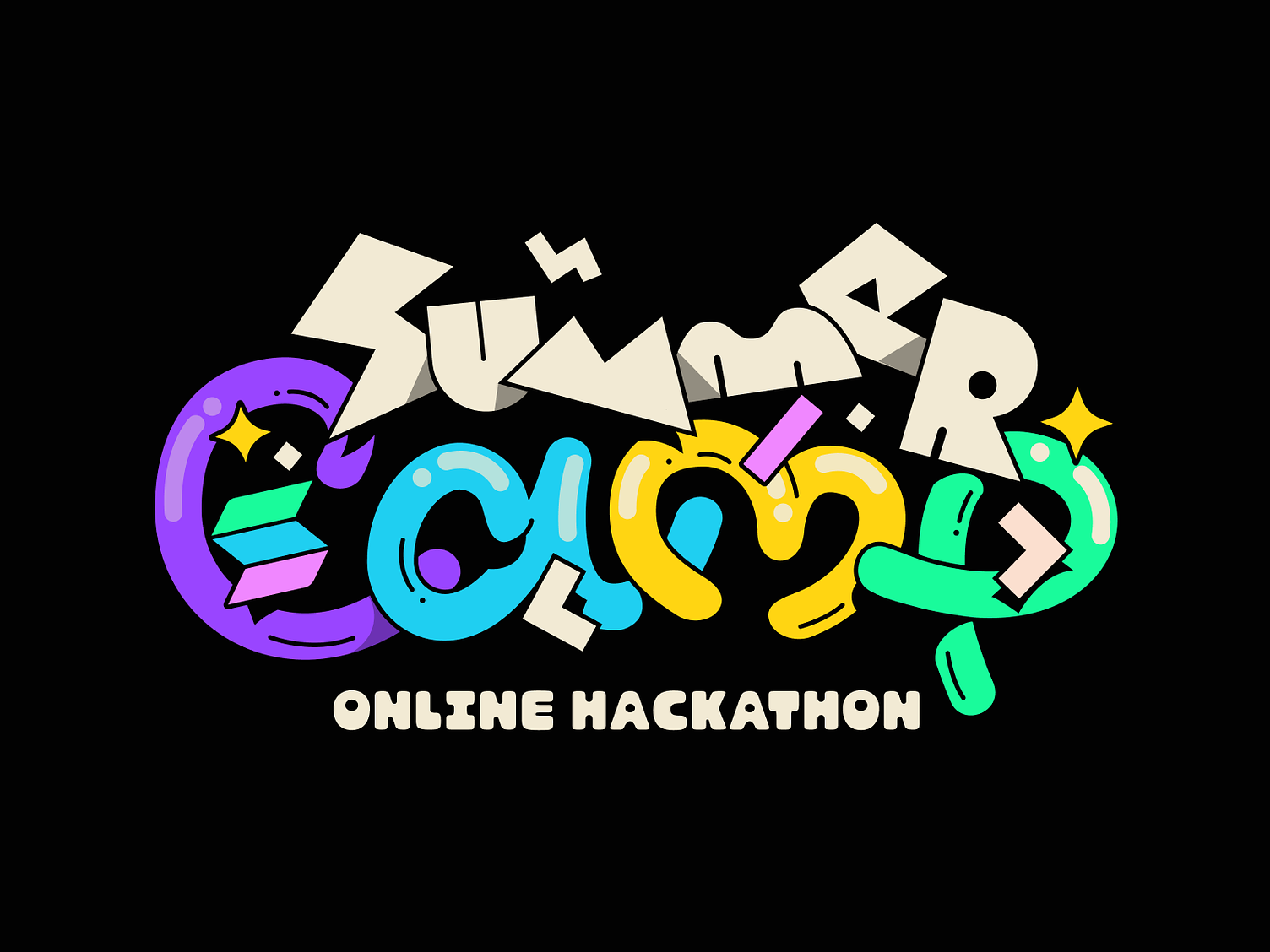
One thing people consistently underestimate is the breadth. It's not just social posts. Here's a sample of what actually moves through a design subscription queue on any given week.
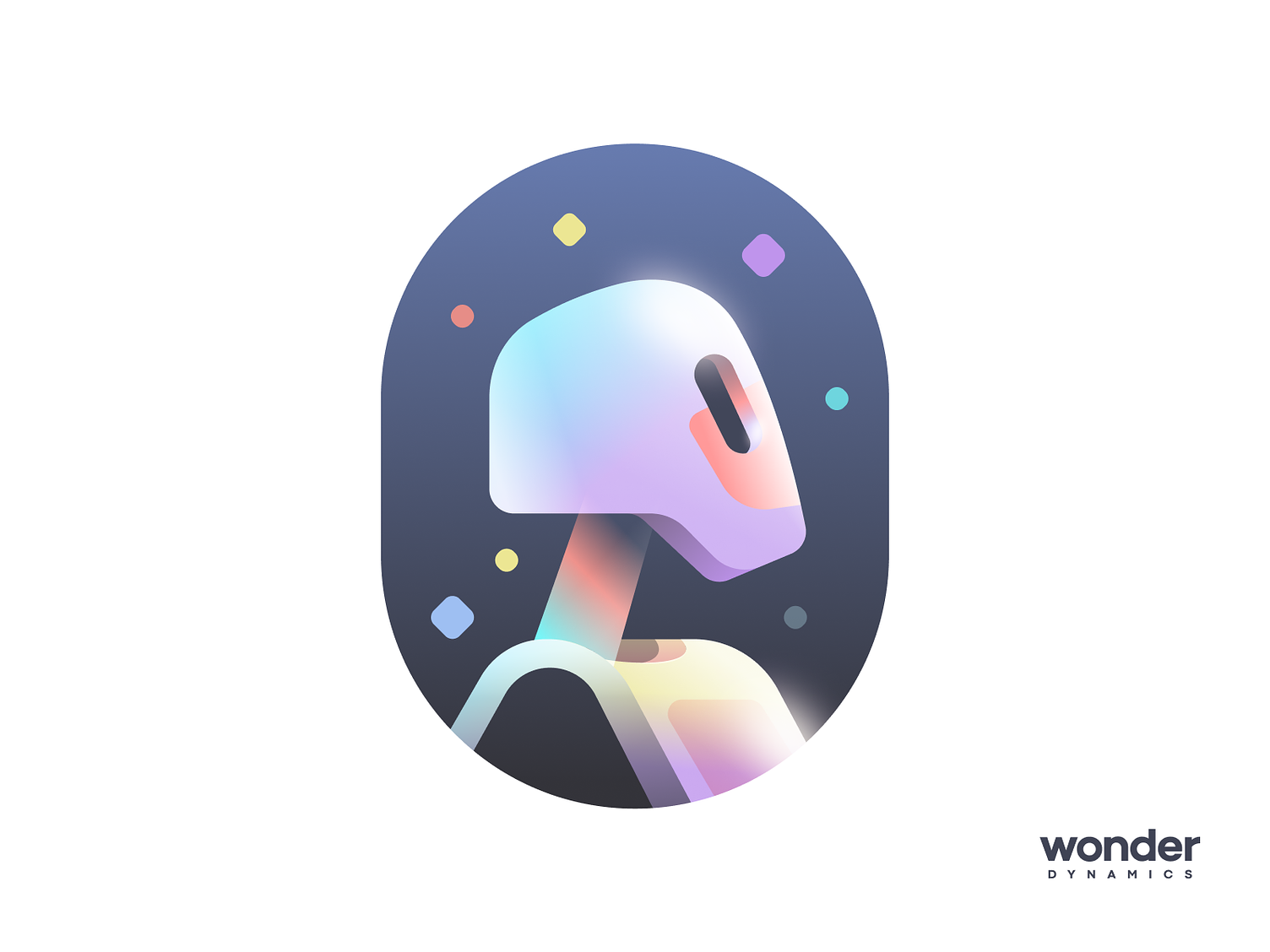
Logo variations, brand guidelines, business cards, and presentation templates.
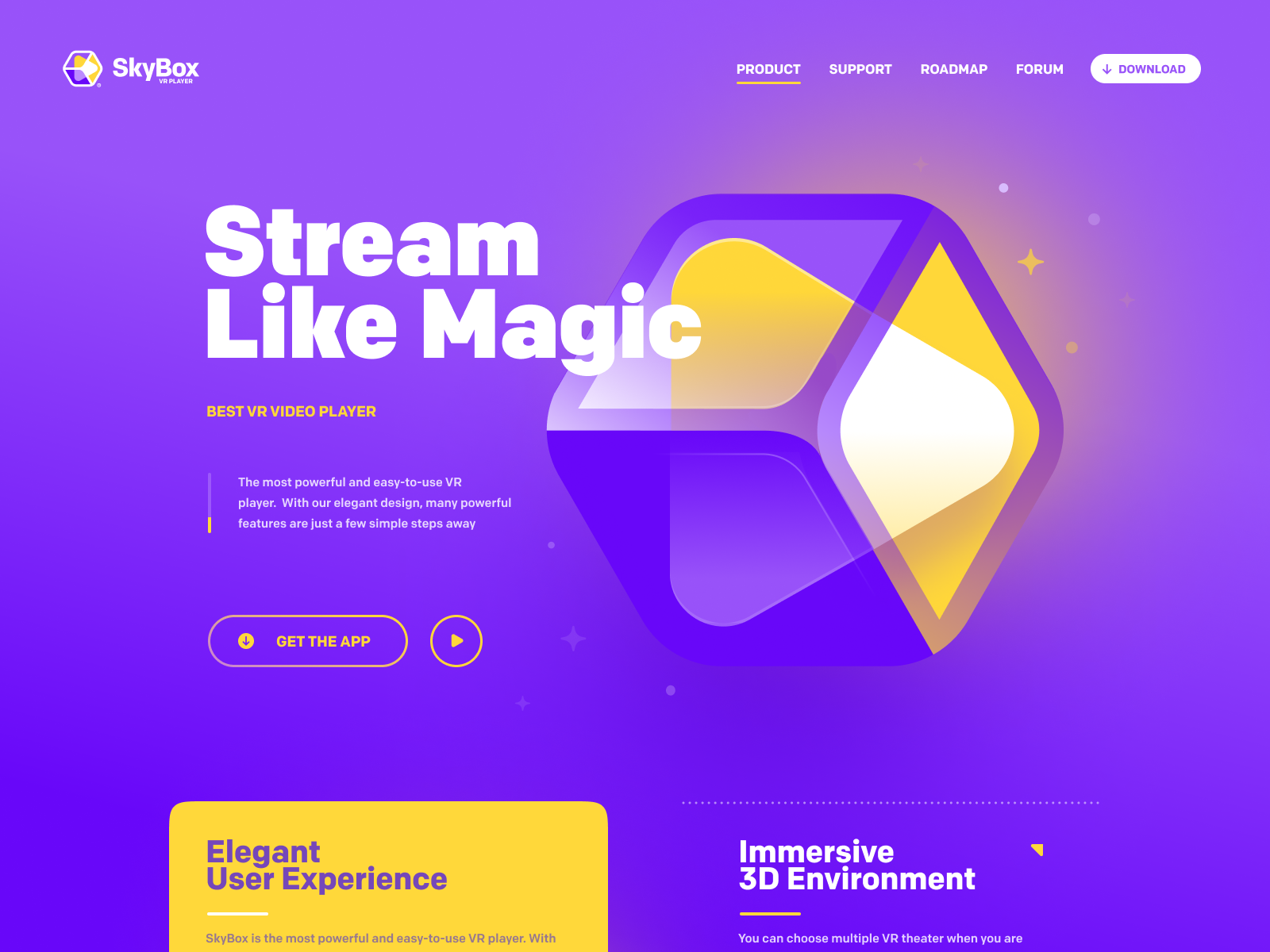
Landing pages, hero sections, feature pages, and lead gen pages built to convert.
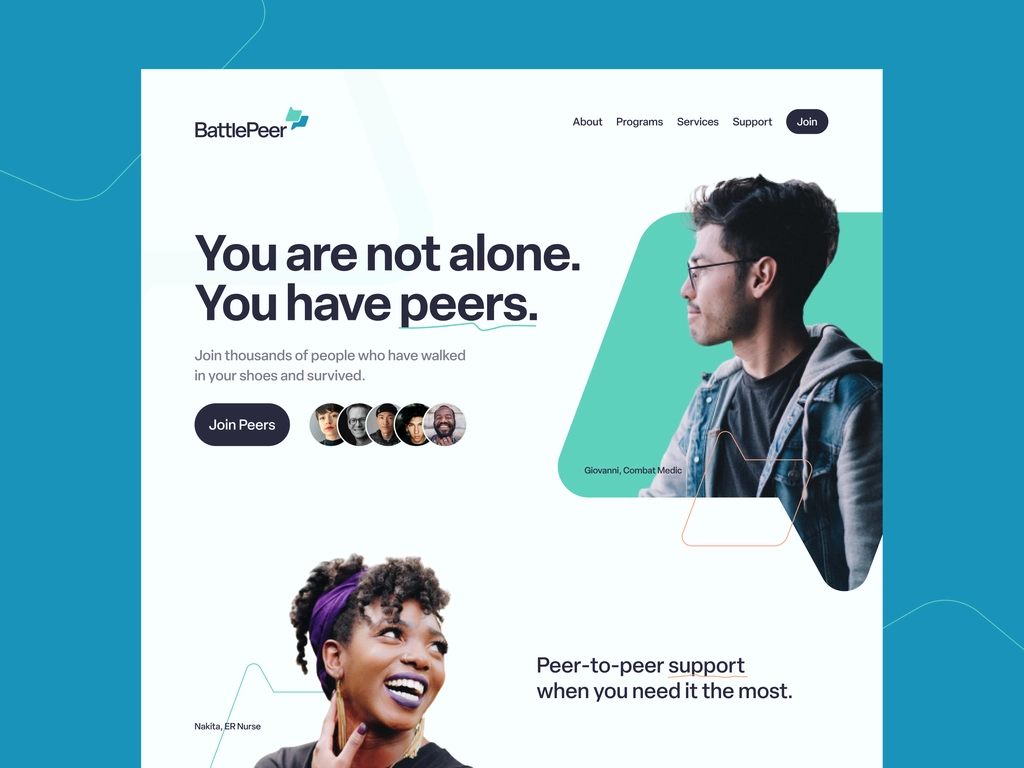
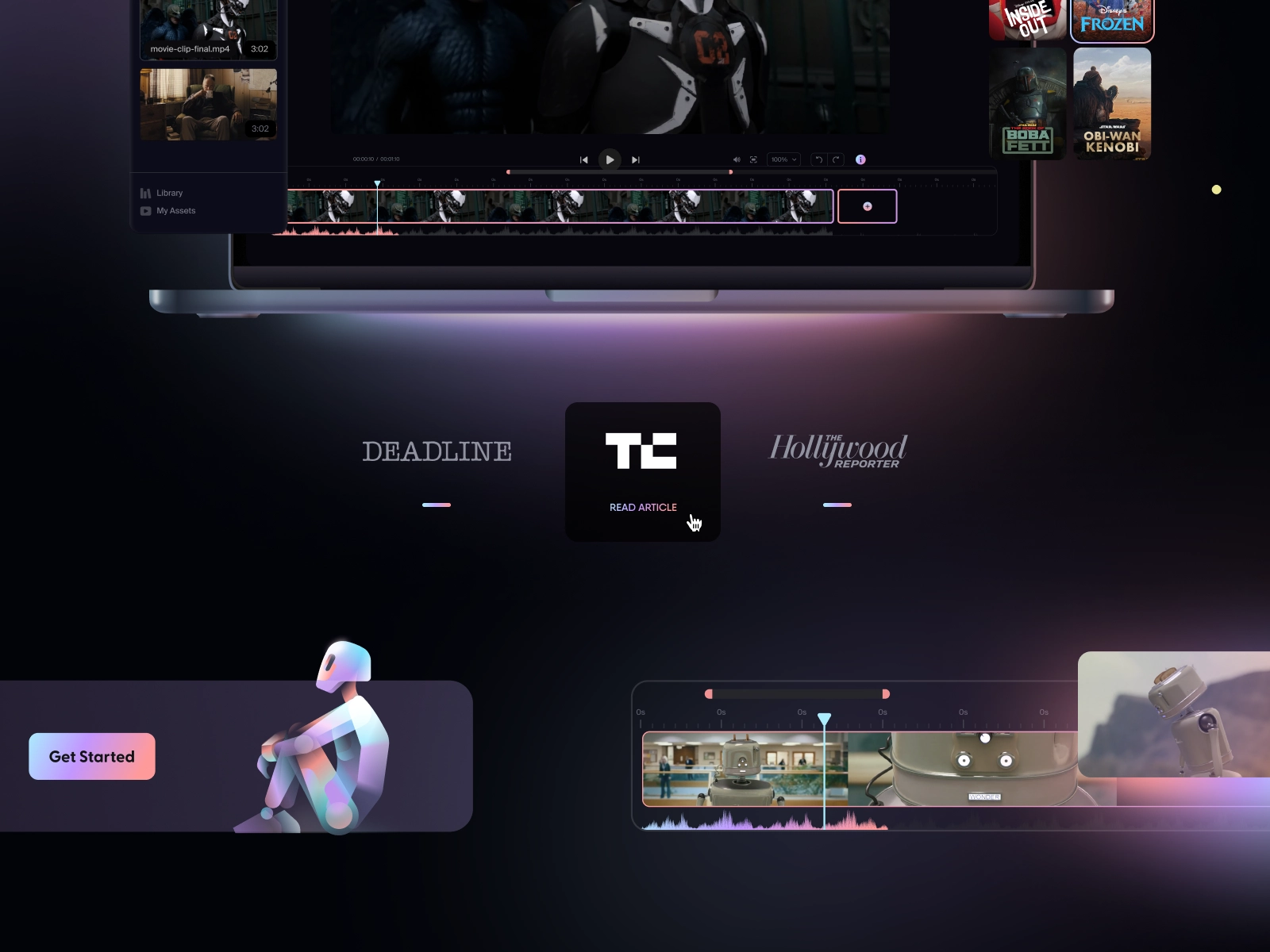
Carousels, static ads, story formats, LinkedIn graphics, and anything running on paid channels.
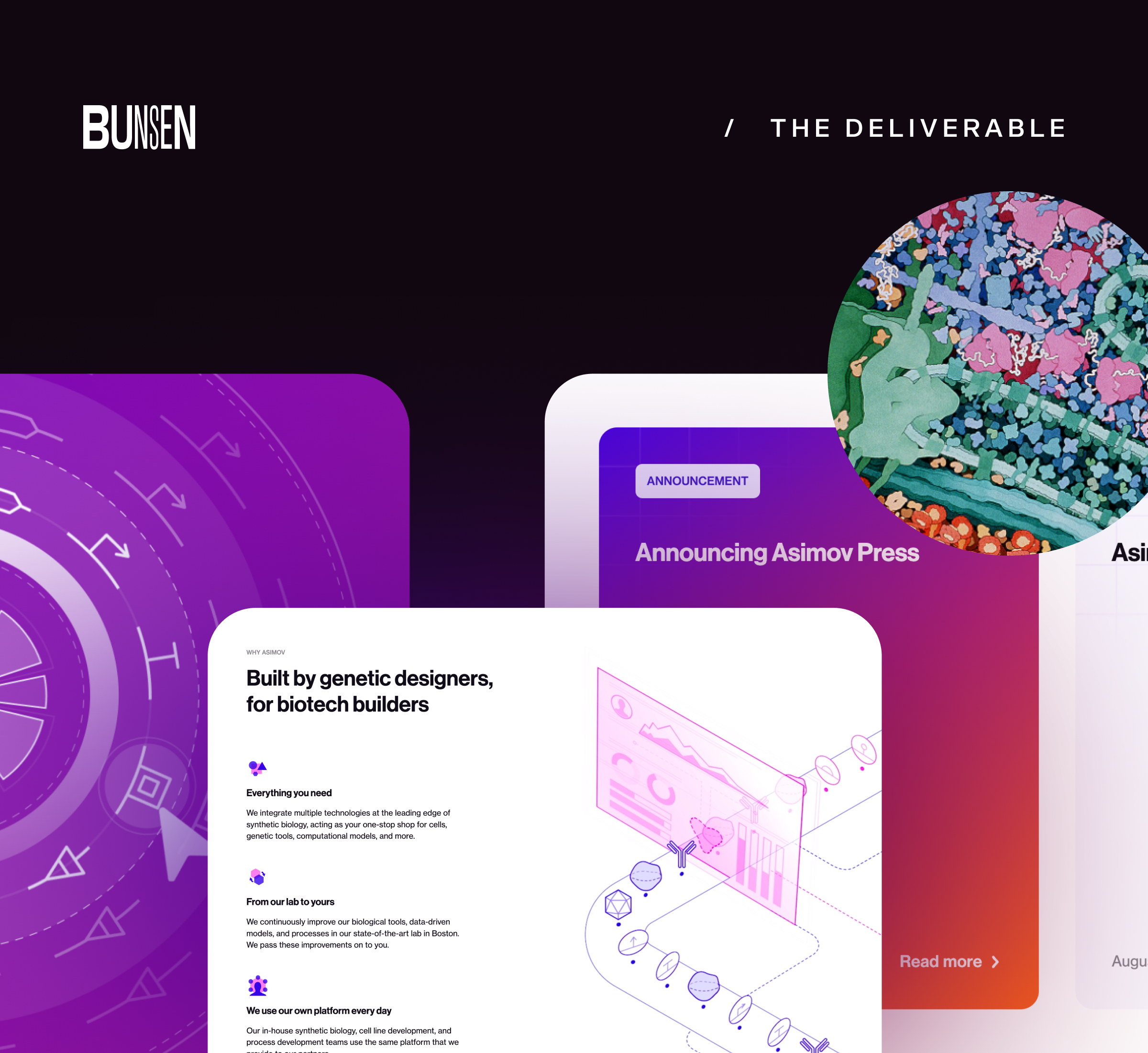
UI mockups, onboarding illustrations, app store screenshots, and feature diagrams.
That breadth is the actual value of a flat-rate model. You're not choosing between "getting the landing page done" or "getting the social content done." You queue both, they both get done.
If you're weighing whether a design subscription makes sense for your team, it's worth a quick conversation before you commit. Book a call and we'll tell you honestly whether the model fits your workflow.
Jamm is built around this exact model: unlimited requests, flat monthly rate, around two business days per request, senior designers, cancel anytime.
One active request at a time. You submit a brief, the designer works on it, and the deliverable comes back within around two business days. You review, request revisions if needed, and once that's wrapped up, the next request gets picked up. The queue keeps moving. No kickoff calls to schedule, no scope documents to negotiate before anything starts. That's why subscriptions outperform agencies: the model removes all the friction that isn't design.
Jamm clients also get direct access to their designer (async, through a shared workspace), clear visual QA on every deliverable, and a simple revision process that doesn't require a new statement of work every time you want a color changed.
The one thing we'll say about scope: we don't do coding or development work in the standard subscription. Design files, yes. Built-and-deployed websites, no. If that's a need, ask us about what Webflow-inclusive options look like.
If you have ongoing design needs, want predictable costs, and can work async, yes. It's one of the more efficient ways to run design at a growing company.
If you have one big project, need daily real-time collaboration, or run on fire-drill timelines, it's worth thinking carefully before signing up.
Either way, you deserve a straight answer before you spend a dollar. That's what this post is here for.
Start your subscription and see what it looks like when design just keeps moving.
Hire a team of top level professionals for less money than hiring a single designer. Stupid simple design subscription service to level-up your business!
Looking forward to potentially working with ya ✌️


