Branding
May 21, 2026

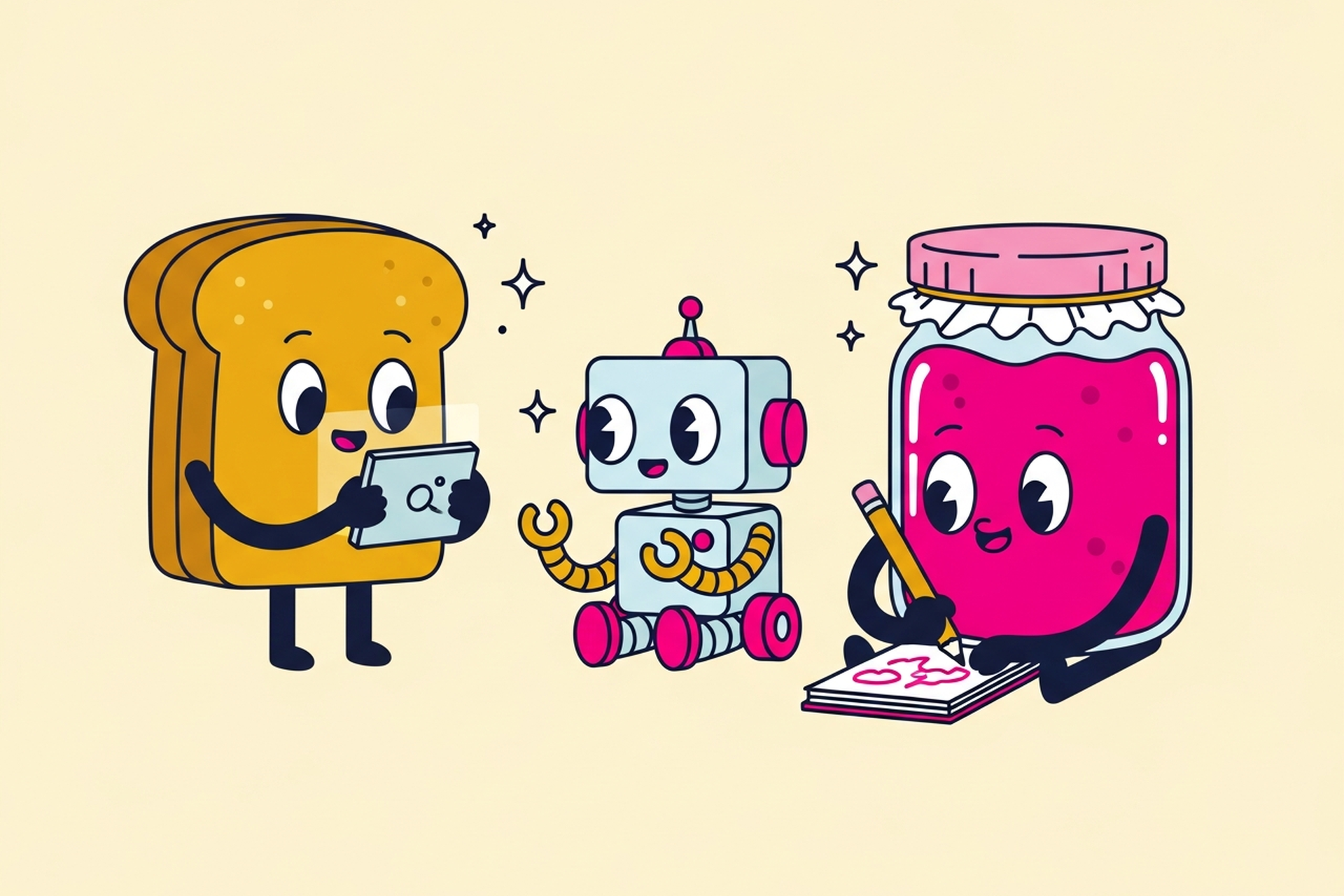
The design industry has never stopped moving. Hand-drawn sketches gave way to digital tools, print layouts made room for responsive web design, and every shift brought the same question: does this replace us? The latest version of that question is AI. The short answer is no — but the longer answer is worth understanding.
Along with our custom services, our friendly team is skilled in using AI tools to give you the best value and results. We're here to make sure you get the most out of our expertise and technology.

Creativity is the heart of design, and it's something AI can't replicate. AI can analyze data, recognize patterns, and generate design elements — but it can't create with the intuition, emotion, and personal touch that human designers bring. What it can do is get out of the way of that creativity by handling the repetitive work.
AI-powered tools can generate multiple design iterations from a set of parameters, giving designers a range of options to refine or build from. That speeds up ideation and frees up mental bandwidth for the harder, more interesting problems. Rather than limiting creativity, AI can be a catalyst for it. For a current look at which specific AI design tools startup founders are actually using in 2026, the landscape has expanded well beyond image generation.
One of the biggest advantages of AI in design is simple: it handles the tasks that eat time. Resizing images, generating mockups, optimizing layouts for different devices — these are things AI can take on so designers don't have to.
AI-driven tools can automatically adapt a design across multiple platforms and screen sizes, keeping things consistent without hours of manual adjustments. That leaves designers free to focus on strategy, problem-solving, and the overall vision — the parts that actually move a project forward.
AI's ability to analyze user data makes it genuinely useful for creating personalized design experiences. Where that used to require exhaustive manual effort, AI can now help designers build dynamic content that adapts to user behavior in real time.
Whether it's customizing layouts based on user preferences or adjusting what a product page surfaces for different visitors, AI lets designers deliver personalized experiences at a scale that simply wasn't possible before.
AI isn't here to compete with designers. The strongest applications come from pairing human creativity with what machines are actually good at: analyzing trends, predicting behavior, and surfacing data-driven insights.
Designers take those insights and make decisions with them. The creative vision stays where it belongs. AI handles the research and pattern-matching; designers handle the judgment.
The design industry keeps moving, and designers who treat AI as a collaborator rather than a threat will move with it. Automating routine tasks, unlocking faster iteration, enabling personalization at scale — none of that diminishes what a great designer brings. It amplifies it.
The future of design isn't AI or humans. It's both, working together to create better, more thoughtful, more meaningful work.
Hire a team of top level professionals for less money than hiring a single designer. Stupid simple design subscription service to level-up your business!
Looking forward to potentially working with ya ✌️


