Branding
May 21, 2026

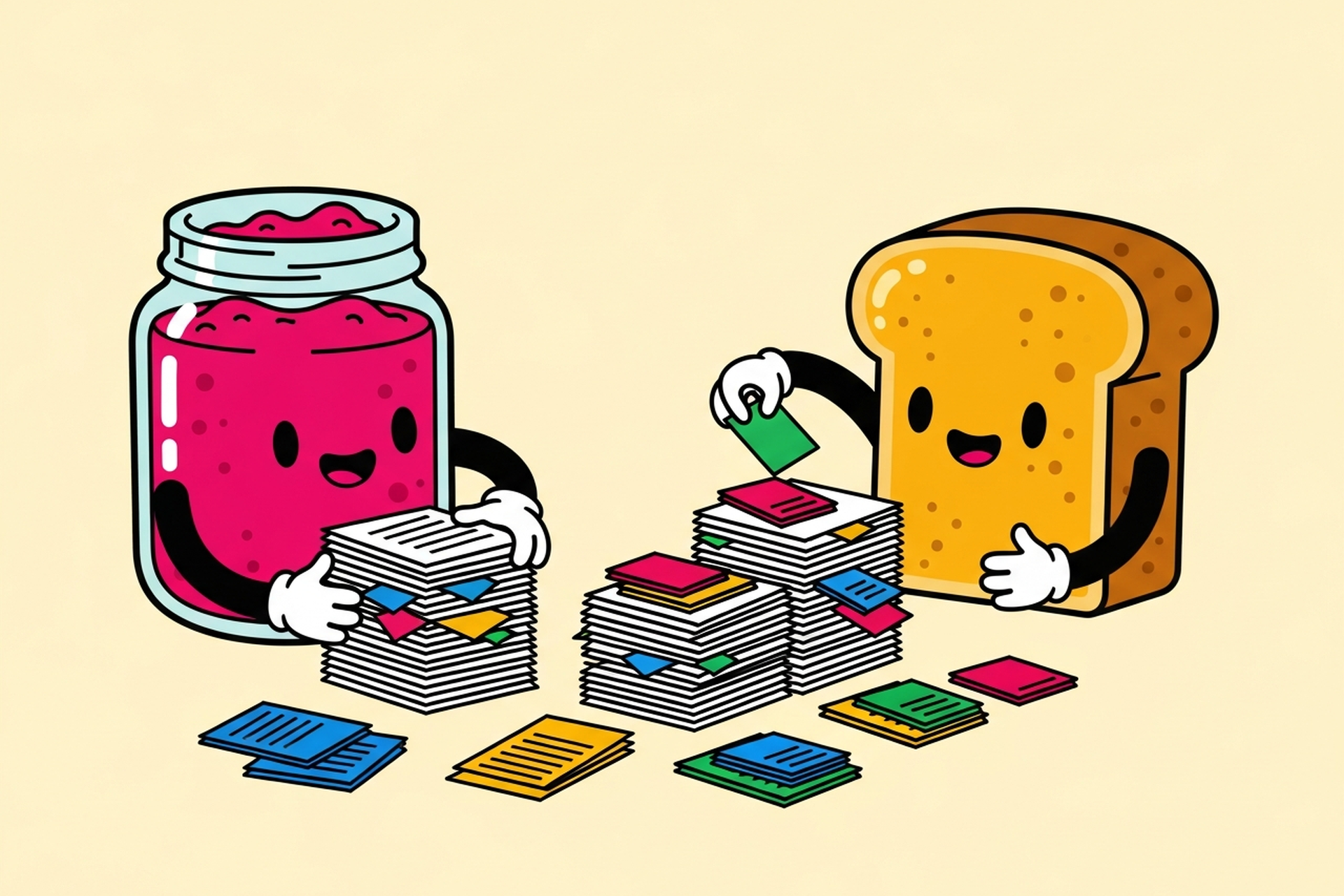
Most brand guidelines templates have the same problem: they were designed to be comprehensive, not usable.
A brand guidelines template that covers every edge case across 80 pages is not a working tool. It is a compliance document. The people on your team who most need clear brand direction, the new hire writing a LinkedIn post, the agency building the first ad campaign, the developer adding a new section to the website, are not reading 80 pages. They are looking for a specific answer in under a minute, and if they cannot find it they are guessing.
This is a template built for speed and actual use. It includes what fast-growing teams need and skips what they do not.
This template structure works for:
It is not designed for enterprise companies with complex multi-brand portfolios or regulated industries with strict legal requirements. Those situations need more comprehensive documentation.
A brand guidelines document for a fast-growing team needs seven sections. Here they are, with guidance on what to include in each.
One-paragraph company description (who you are, what you do, who you serve). Tagline or positioning statement. Three to five brand personality words. Mission statement if it shapes communication decisions. Keep this section brief. Its purpose is to orient new readers, not to present the full brand strategy.
Primary logo: full-color version, single-color version, reversed version for dark backgrounds. Logomark only (if applicable). Wordmark only (if applicable). Clear space rules with a visual diagram. Minimum size specifications. Prohibited uses (stretched, recolored, on busy backgrounds, outline-only). File format reference with links to the asset library.
Primary palette: 2-3 colors. Secondary palette: 2-4 supporting colors. Each color with HEX, RGB, CMYK, and Pantone values. Usage guidance: which colors are backgrounds, which are text, which are accents. Approved color combinations with accessibility contrast ratios for digital use. Prohibited combinations.
Primary typeface: name, weight range, and licensing information. Secondary typeface: when it is used and how it pairs with the primary. Fallback fonts for contexts where brand fonts are not available. Type hierarchy: heading sizes (H1 through H4), body copy, caption, and label specifications. Line height and letter spacing rules. Examples of correct hierarchy in a real-world context (a landing page section, a slide deck header).
This is the section most brand guidelines templates get wrong. A list of adjectives is not a voice guide. A voice guide shows the same idea written correctly and incorrectly, and explains why. Include three to five core voice qualities with a brief description, a good example, and a bad example for each. Add a section on tone variation: how does the voice shift for different audiences (enterprise client vs. startup founder) and different contexts (sales email vs. social media vs. press release)? For practical guidance, the brand voice and tone framework covers this in detail.
Photography direction: what the brand's photography looks like (subjects, mood, color treatment, composition style) and what it does not look like. Illustration style if applicable: the style direction, where it is used, and reference examples. Rules on stock imagery: approved sources, prohibited categories, quality standards.
This section does the heaviest lifting for day-to-day use. Include visual examples of the brand applied to the formats your team uses most: presentation template, email signature, LinkedIn post format, social media profile images, and any format-specific rules. This section should use real, completed examples, not hypothetical mockups.
A common mistake is including sections that belong in a strategy document rather than a usage guide. Audience personas, competitive positioning, brand purpose statements, and company values are important but they do not belong in a brand guidelines template. They inflate the page count and dilute the utility of the document for someone who needs a quick reference.
Similarly, avoid including examples of formats you do not currently use just because they might be relevant someday. A brand guidelines template for an early-stage company that includes newspaper ad specifications and trade show booth mockups wastes space and suggests the document was built to look comprehensive rather than to be used.
PDF is wrong for most fast-growing teams. It requires downloading, searching is slow, and it cannot be updated without creating a new version and re-distributing it.
Build your brand guidelines in a tool that lives in the cloud, allows direct linking to specific sections, and can be updated without creating versioning confusion. Notion, Confluence, and dedicated brand management tools all work. The best format is the one your team already has open daily.
Jamm builds brand guidelines as a natural deliverable of brand identity work: once the visual system is established, we document it in a format your team can actually use, link it from the places where brand decisions happen, and update it as the system evolves.
If you need to build brand guidelines for the first time or bring an outdated set up to date, Book a call with Jamm and we will walk through your current situation.
A brand guidelines template is not finished when it is published. It is a living document. Assign one person as the owner. Set a quarterly review cadence. Build a lightweight process for proposing changes: anyone on the team can flag a gap or an inconsistency, the owner evaluates it, and approved updates go into the document with a change note.
The templates that stay useful are the ones that have an owner who cares about them and a team that trusts them. Build that trust by making the document accurate, specific, and easy to use from day one. When Jamm documents a brand system, the guidelines are built with an owner and a review cycle baked in from the start.
Start your subscription and get your brand guidelines built as part of your ongoing design work.
Hire a team of top level professionals for less money than hiring a single designer. Stupid simple design subscription service to level-up your business!
Looking forward to potentially working with ya ✌️


