Branding
May 21, 2026


Every explainer video style has a production cost, an aesthetic signal, and a set of use cases where it performs well. The wrong choice isn't just aesthetically mismatched — it can undermine the message the video is trying to communicate or cost more than your use case justifies.
Here's how the main styles compare and how to choose.
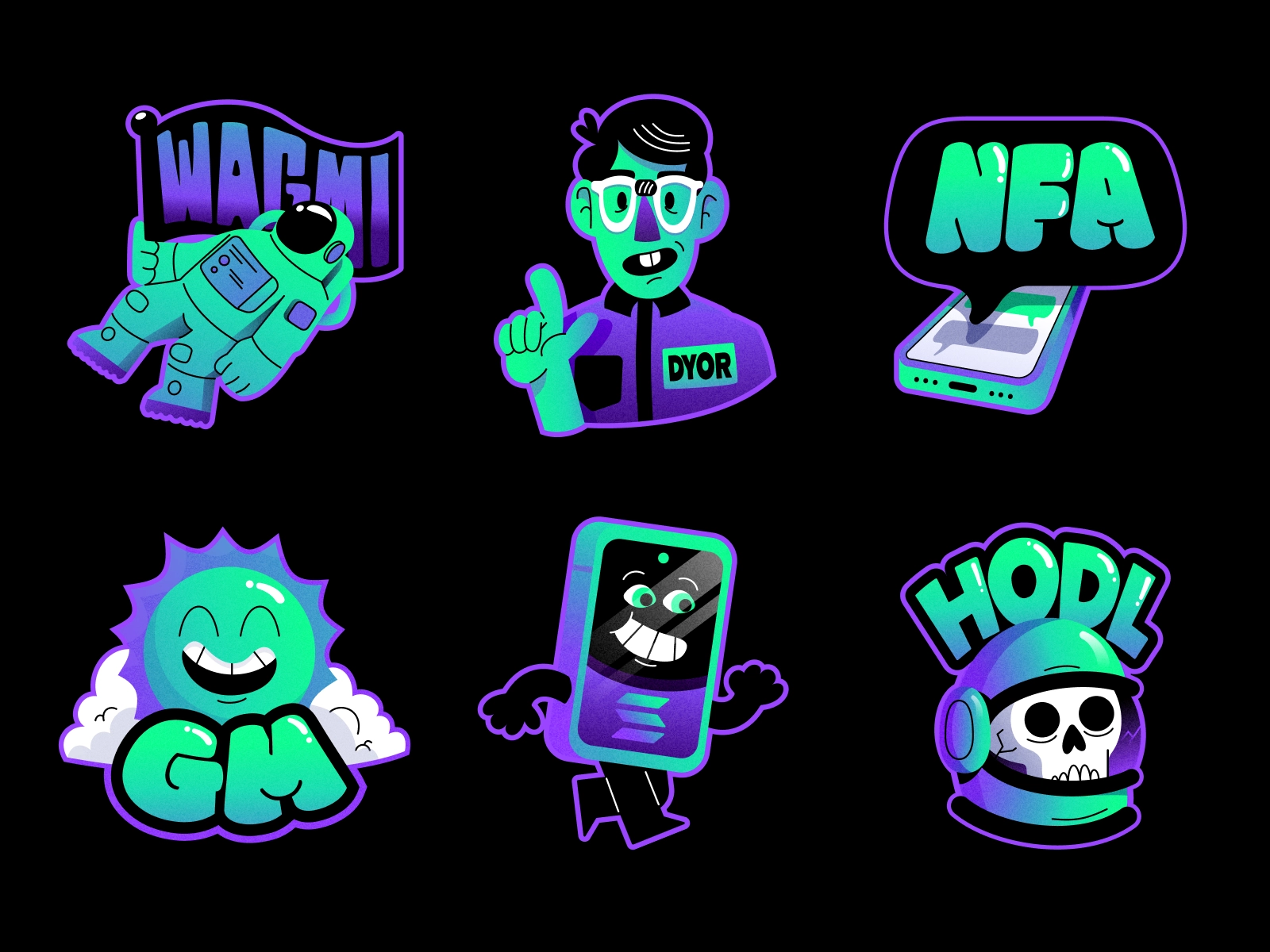
The most popular style for product and marketing explainer videos. Characters — typically stylized, expressive figures that represent your users or product — move through scenes that illustrate your value proposition.
When it works:
Cost signal: Mid to high. Character animation requires more production hours than motion graphics for comparable duration, because each character needs rigging and the animation itself is frame-intensive.
Production time: 5-8 weeks for a standard 60-90 second video.
The risk: Generic character designs (the same stock-figure style everyone uses) signal low investment. If you're using 2D character animation, the character design should be original and distinctive.

Motion graphics use shapes, text, icons, data visualizations, and abstract visual elements in motion. No characters, no narrative voice — just information presented with rhythm and visual clarity.
When it works:
Cost signal: Mid range. Motion graphics is faster to produce than character animation because there are no characters to rig, but well-crafted motion design still requires significant skill.
Production time: 4-6 weeks for a standard 60-90 second video.
The risk: Generic motion graphics — using the same icon sets and color patterns everyone uses — look cheap and interchangeable. Strong motion graphics require original design assets, not template-based icons. SaaS teams in particular use motion graphics to demonstrate product features without screen recordings — see motion graphics for SaaS: how to show your product without words for specific techniques.
A style where illustrations appear to be drawn in real-time on a white background, often accompanied by narration. Popular in educational and explainer content through the early 2010s.
When it works in 2026: Rarely. Whiteboard animation communicates something specific: simplicity, explanation, education. It worked when it was novel. Today, the style signals low budget rather than clear explanation. The production cost is similar to a basic 2D animation, but the brand impression is significantly lower.
When it might still work: Highly academic or scientific content where the clinical, process-oriented aesthetic matches the subject matter. Internal training content where brand impression is not a factor.
Cost signal: Low to mid (despite producing work that looks lower-end).
The verdict: Unless your brand and audience are specifically matched to this aesthetic, the better investment is a mid-range motion graphics or 2D character animation that communicates the same content with better brand impression. For a full breakdown of when whiteboard animation still makes sense and when it actively hurts your brand, see when whiteboard animation works and when it feels dated.

Combines live-action footage with animation elements — overlaid graphics, animated callouts, motion text, illustrated characters interacting with real environments.
When it works:
Cost signal: High. Mixed media requires a live production budget (filming) on top of animation and post-production. The combined cost is substantially higher than pure animation.
Production time: 6-10 weeks depending on filming requirements.
Start with your brand personality. A playful, consumer-facing brand maps naturally to character animation. A data-driven B2B product maps naturally to motion graphics. Don't choose a style that fights your brand voice.
Consider your audience. Technical buyers are often less persuaded by friendly animated characters and more persuaded by clean, precise data visualization. Consumer buyers respond to warmth and relatability.
Match the content to the style. A process explanation (how your platform integrates data across systems) is well-suited to motion graphics. A user-benefit story ("here's what your morning looks like") is well-suited to character animation.
Consider your existing visual identity. If you have a distinctive illustration style (like Jamm's jam jar characters), a 2D character animation that extends that style is both more distinctive and more brand-coherent than a generic motion graphics style.
Jamm creates custom explainer videos and animated content in styles that match your brand. See our animation work or book a call to discuss what style fits your use case.
Choosing a style is only the first decision. Briefing it well is what makes production go smoothly.
The most important part of a style brief is concrete visual references, not verbal descriptions. "Clean and modern" means something different to every animator on the planet. Three video links with notes on what specifically you like about each one — the character proportions, the color palette, the pacing of transitions, the texture of the backgrounds — gives a production team something to actually work with.
Beyond references, a style brief should cover: the primary color palette and any brand colors that must appear; whether characters are required and if so how many; the tone (playful vs. authoritative, warm vs. clinical); and the platform context (a video that will autoplay muted on a website needs a different visual weight than one that will be watched with audio on YouTube).
Technical constraints belong in the brief too. If the video needs to work at square aspect ratio for Instagram as well as 16:9 for web, the compositions need to be designed with that in mind from the start. Adding an Instagram version after the 16:9 is built is a re-composition job, not a simple crop.
Choosing a style that fights the script. A character animation style implies a narrative with human elements: scenarios, transformations, emotional beats. If your script is a feature list read over product screenshots, character animation is the wrong container for it. The style should match how the content is structured, not just how you want the brand to feel.
Using whiteboard animation because it feels "approachable." Whiteboard animation signals simplicity and explanation, which seems appealing. In practice, it signals low budget to most 2026 viewers, particularly in B2B contexts. The production cost is similar to basic 2D animation; the brand impression is significantly lower. There's almost always a better option for the same budget.
Requesting a style you've seen a competitor use. Using the same visual style as a direct competitor doesn't differentiate you: it positions you as a follower. If a competitor has a strong, recognizable character animation style, the right move is to develop something that's distinctly yours, not to commission a similar look with different colors.
Underspecifying character design. "A character that represents our user" produces generic output. What does your user look like? What's their emotional state before and after your product? What visual details communicate their identity to your audience? A B2B tool for construction project managers and a B2C app for creative freelancers need different character designs. The more specific your character brief, the more the character actually represents your audience.
The style decision intersects with distribution in ways that affect production.
Videos that will be used primarily in paid social (Meta, LinkedIn, TikTok) need to communicate quickly without sound. The first three seconds need to hook the viewer visually, and the core message needs to be legible through on-screen text even with audio off. Motion graphics and character animation both work here, but the compositions need to be designed with silent viewing in mind from the start.
Videos for YouTube or embedded on your website can be designed around audio. Narration can carry more of the story weight, and visual elements can be more subtle because viewers are expecting to watch with sound on.
Videos for sales enablement (shared in email, used in demos, sent as follow-up) are often watched without sound in unpredictable contexts. If your sales team is going to forward a video in a follow-up email, it needs to work visually on its own — on-screen text covering the key points, not relying on narration to carry the message.
Define your primary distribution channel before you lock the style. It shapes composition, text use, pacing, and audio assumptions in ways that are much harder to change after production is complete.
Hire a team of top level professionals for less money than hiring a single designer. Stupid simple design subscription service to level-up your business!
Looking forward to potentially working with ya ✌️


