Branding
May 21, 2026

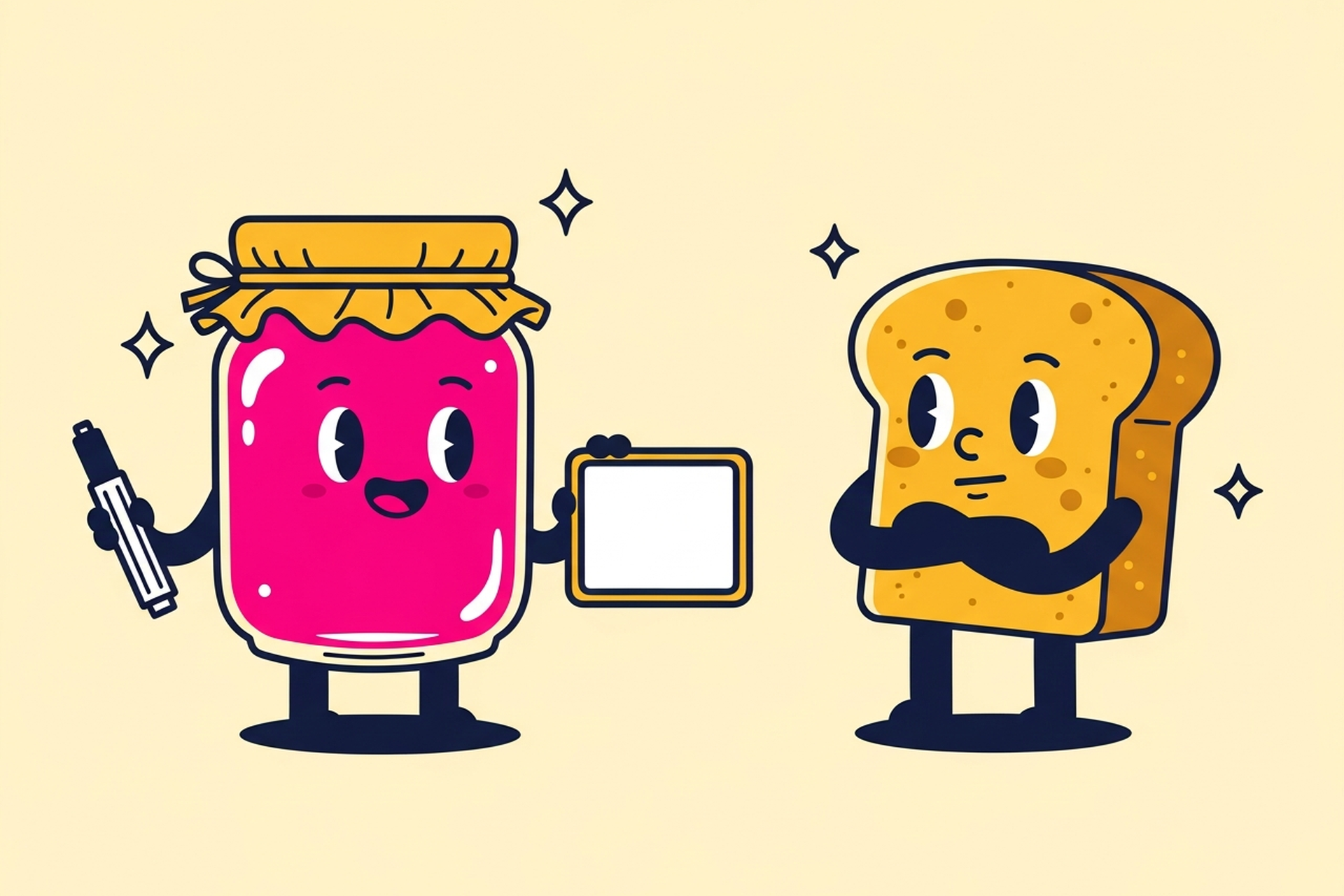
Let's be honest for a second. When you hear "whiteboard animation," there's a good chance something in you deflates slightly.
You've seen a lot of them. The hand drawing stick figures. The simple icons sliding in. The upbeat royalty-free music track that you've heard in forty other explainer videos. The format became so popular in the early 2010s that it got thoroughly commoditized — and with commoditization came creative stagnation.
But here's the thing: whiteboard animation isn't dead. It's just misunderstood. There are specific use cases where it remains genuinely effective. And there are other situations where it's actively working against you.
Let's sort out which is which.
The format works because of what it communicates at a meta level, beyond whatever content it's explaining. A drawing emerging in real time implies that something is being built, reasoned through, constructed. It's pedagogical by nature. It says: let me walk you through this.
That makes it effective in three specific contexts.
This is where whiteboard animation has aged the best. In corporate training, e-learning, compliance content, and internal education, the format still holds up. The drawing-as-explanation metaphor aligns naturally with the learning context — a teacher at a board, walking students through a concept.
If you're creating content explaining how a legal process works, how to operate a piece of equipment, or how to navigate a compliance requirement, whiteboard animation is a reasonable choice. The audience is already in a learning mindset, and the format reinforces that mode.
When your product or service involves a multi-step process that's genuinely hard to visualize any other way, whiteboard animation can simplify without dumbing down. Supply chain logic, technical workflows, systems that have moving parts across multiple stakeholders — these can benefit from the step-by-step visual build that whiteboard does well.
The limitation is that this works best when the process itself is the point. If you're explaining your methodology to evaluate vendors, for example, and the methodology is what sells your service — whiteboard can communicate it clearly.
Nobody's posting their all-hands meeting recording to Instagram. For internal communication — explaining a strategic pivot, introducing a new process, onboarding employees — the polished-but-approachable energy of whiteboard animation fits well. It doesn't feel like a marketing asset, which is often exactly the right register for internal content.
The global whiteboard animation software market is valued at over $620 million and growing. That's not a shrinking format. But popularity and effectiveness aren't the same thing, and there are situations where whiteboard animation creates problems.
If you have a strong brand — distinctive colors, visual style, personality — whiteboard animation erases most of it. The format is inherently neutral. A whiteboard video from a fintech startup looks like a whiteboard video from a healthcare company looks like a whiteboard video from a logistics provider. The visual language is almost entirely generic.
For brands that have invested in building a distinct visual identity, whiteboard animation is a step backward. It flattens everything into the same beige-and-black aesthetic.
There's a perception gap. Whiteboard animation reads as accessible and utilitarian. If your brand is positioned as premium, innovative, or design-led, the format sends the wrong signal. Your motion content is a brand touchpoint. It should feel consistent with the rest of your visual identity.
This is the context where a custom illustration style, character animation, or polished motion graphics pulls significantly more weight.
Whiteboard animation was built for long-form watch. The format rewards patience — the build is part of the point. On social media, where you have three seconds to capture attention and eight to fifteen seconds to hold it, the slow-build aesthetic is a liability.
A whiteboard animation doesn't create a strong first-frame. The first second is usually a hand moving toward a mostly blank canvas. For social content, that's a skip.
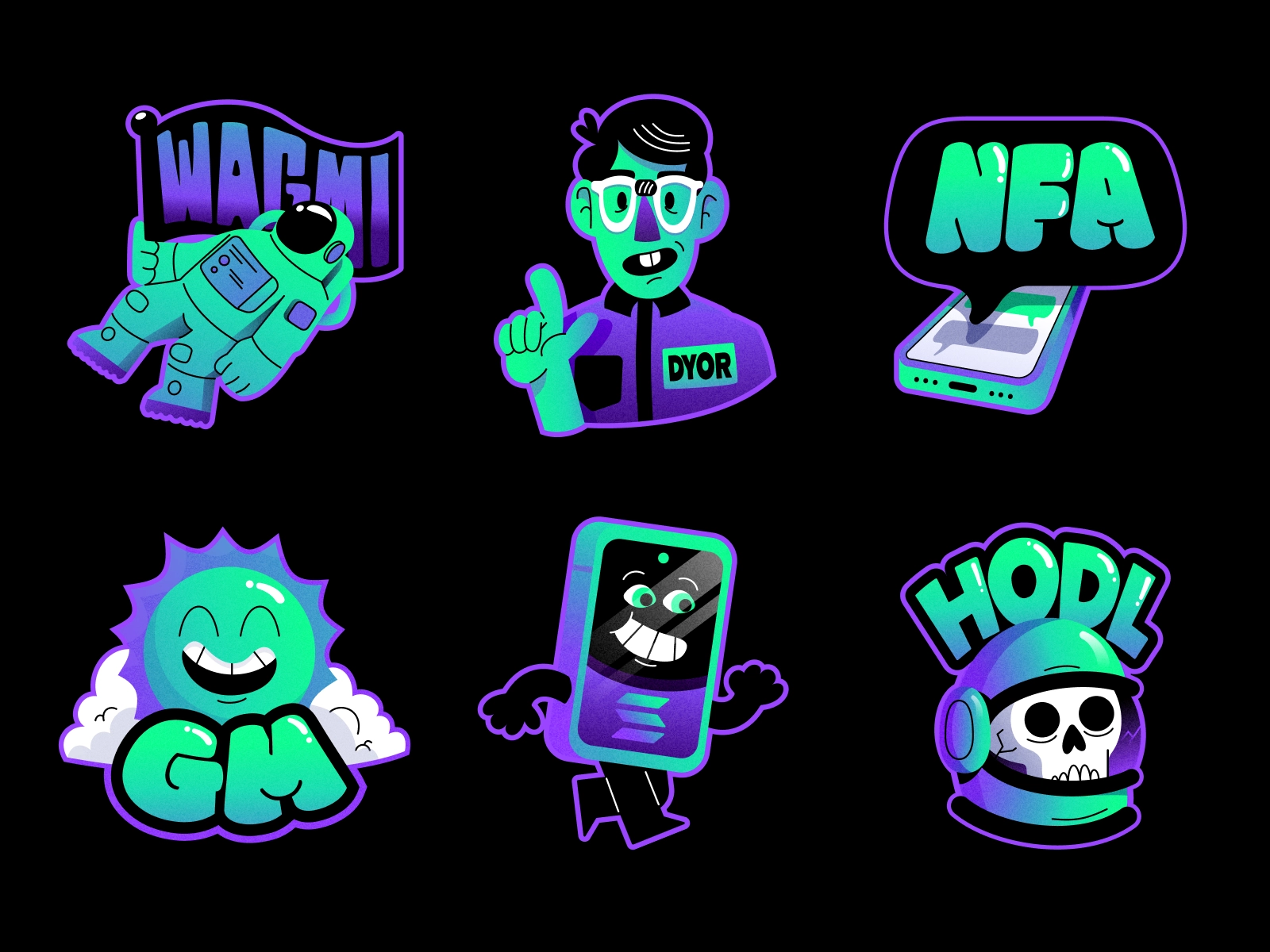

These styles have the conceptual clarity that whiteboard offers, with genuine visual craft on top. That's the combination that ages better.
If your use case genuinely calls for whiteboard animation — training content, internal comms, complex process explanation — you can still make it work. But the commodity version won't.
A few things separate good whiteboard animation from the template graveyard:
Custom illustration style. Commission original artwork rather than using stock vector libraries. The hand-drawn shapes and characters should look like they were made for your brand, not pulled from a shared asset pack. When Jamm takes on a whiteboard-style animation brief, this is where the conversation starts — what does your brand's drawn vocabulary actually look like? — before a single frame gets animated.
Voiceover quality is non-negotiable. Whiteboard animation lives or dies on the narration. A mediocre VO makes even well-executed visuals feel low-rent. Budget for a professional voice actor and proper audio production.
Pacing and editing. The drawing animation should be timed to the voiceover with intention — not just "hand moves at constant speed while narration plays." Use timing to create emphasis. Pause on key visuals. Vary the speed.
Color, sparingly. Pure black-and-white whiteboard feels the most dated. Adding a constrained color palette — even just one or two accent colors — gives it significantly more visual interest.
Before you brief a whiteboard animation, ask yourself: am I choosing this format because it's genuinely right for this content and audience? Or am I choosing it because it's familiar, affordable, and safe?
If it's the latter, that's worth pausing on. The creative bar for video content has moved. Your audience has seen a lot. The same format they've already watched hundreds of times doesn't create the impression you're hoping for.
Need a second opinion on what format actually fits your project? Book a call — this is exactly the kind of conversation Jamm has with founders before production starts.
If you're evaluating whiteboard because it seems like the most accessible option, here are the formats that often work better for the same use cases.
2D character animation gives you the same sequential storytelling as whiteboard, with a visual identity that can be designed to match your brand. Slightly more expensive, significantly more distinctive.
Motion graphics with illustrated elements — clean flat design with animated typography and iconography — combines whiteboard's clarity with visual flexibility. It's the format that ages best across contexts.
Screen recording with motion graphic overlays is often the right answer for SaaS products. Literally show your product in action, with animated callouts and text overlays to guide attention.
Kinetic typography works when the words themselves are the content — a manifesto, a mission statement, a punchy brand video. Text that animates onto screen with tight typographic design can be extremely compelling.
Jamm handles all of these as part of a flat-rate design subscription. One request at a time, delivered for feedback, then the next begins. No project quotes, no surprises. If your animation brief is something you've been sitting on because the process felt overwhelming, that's a solvable problem.
For more on the landscape of animation styles and how they map to different use cases, see the explainer video styles guide. It covers the full spectrum — from whiteboard to 3D — and helps you match format to intent.
Whiteboard animation still has legitimate use cases: education, training, internal communication, and complex process explanation. But it's the wrong tool for brand building, social content, or any context where visual distinctiveness matters.
The format isn't dead. But defaulting to it without evaluating the alternatives is how you end up with content that looks like every other explainer video your audience has half-watched and forgotten.
Start your design subscription and get animation that actually fits your brand — not just the cheapest available format.
Hire a team of top level professionals for less money than hiring a single designer. Stupid simple design subscription service to level-up your business!
Looking forward to potentially working with ya ✌️


