Branding
May 21, 2026

Great brand identities aren't great because they're beautiful. Beauty is subjective and fleeting. They're great because they do a specific job — communicate a clear idea, signal the right things to the right audience, and stay recognizable across an enormous range of surfaces and contexts.
Here's what that actually looks like in practice, with 12 examples and the specific decisions that make each one work.
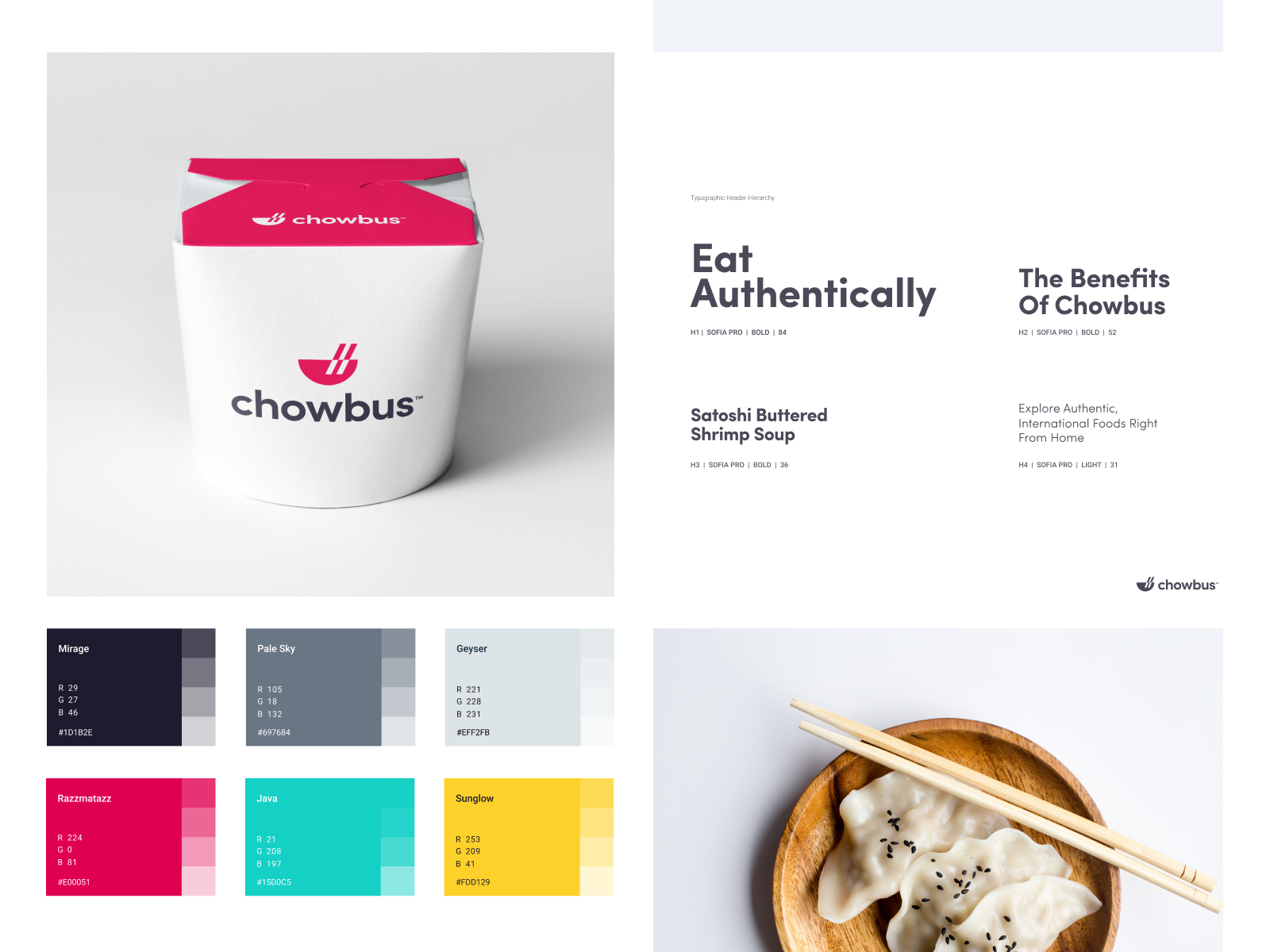
What works: Stripe's identity is built around precision and trust — the values a payments infrastructure company actually needs to communicate. The type-forward wordmark, cool gradient (applied sparingly), and clean visual system signal technical excellence without feeling cold. The identity scales from enterprise pitch decks to developer documentation to billboard without breaking.
Lesson: For B2B fintech and infrastructure companies, restraint is often the right call. Approachability matters less than credibility.
What works: Duolingo's green owl mascot has become one of the most recognizable brand characters in consumer tech. The identity is warm, slightly irreverent, and almost aggressively approachable — deliberately opposite to the intimidating experience of traditional language learning.
Lesson: Mascot-based identities can work at scale when the mascot embodies something true about the brand's value proposition. Duo isn't just decoration; it's the personality delivery mechanism for an entire voice system.
What works: Linear built a developer-first tool identity that has become a reference point for the category. The dark interface, precise geometric mark, and purple accent palette signal engineering craft. The visual system extends consistently from the marketing site through the product UI — rare in B2B SaaS.
Lesson: For tools with a developer or engineering-forward audience, the aesthetic that communicates "made by people who care about craft" resonates more than enterprise polish.
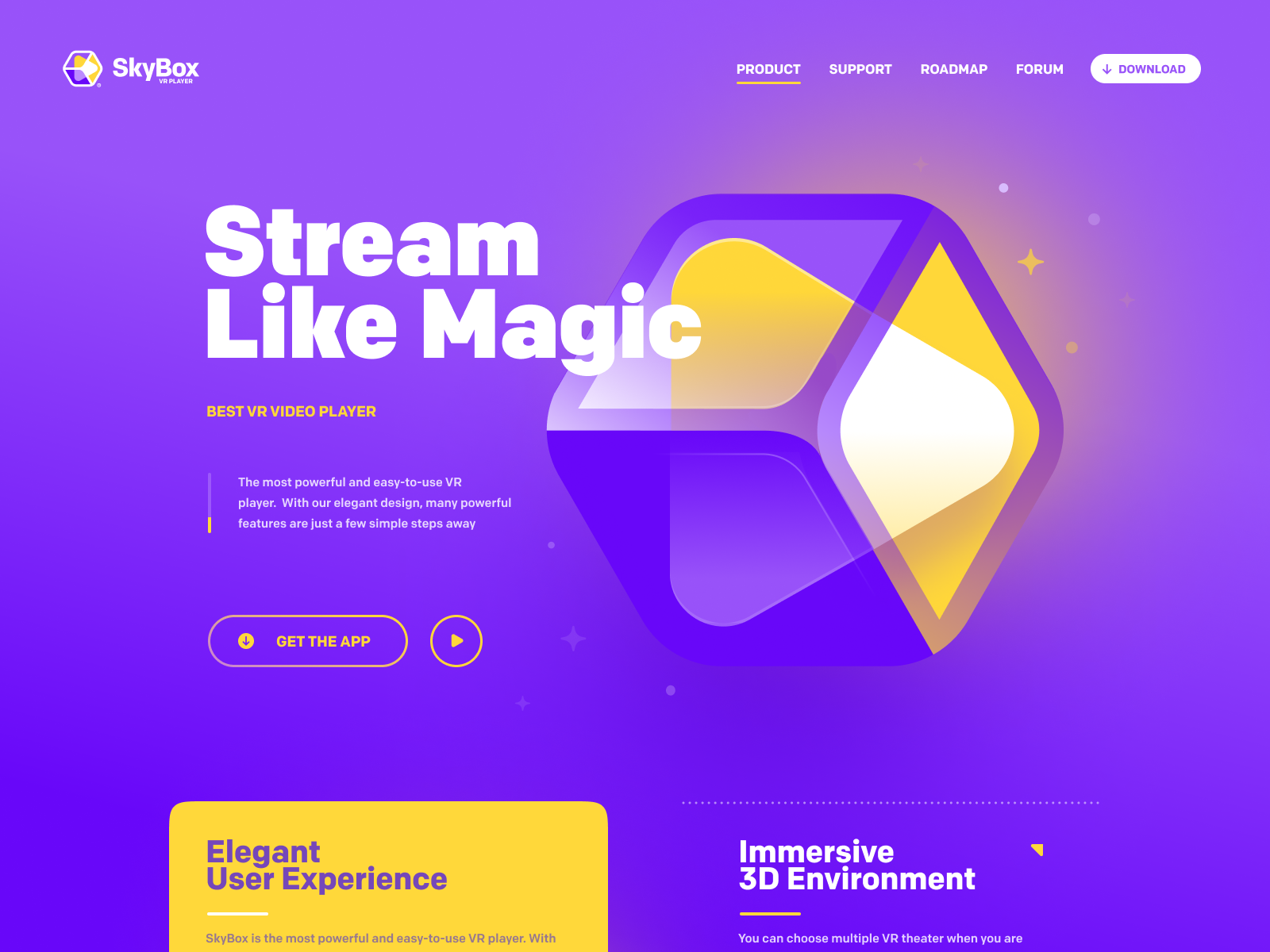
What works: Mailchimp's rebrand established a template that dozens of companies have tried to copy: bold, expressive, slightly weird illustration style combined with a confident wordmark and a yellow that owns the email marketing category visually. The brand feels like a company that has a genuine personality, not a corporate entity.
Lesson: Illustration can carry brand personality in a way that photography rarely can. If your audience values approachability and personality, a strong illustration system can differentiate in a crowded category.
What works: Figma's identity feels like the product — collaborative, layered, multi-colored. The logo uses four overlapping circles that call back to design collaboration directly. The colorful gradient palettes (used carefully) signal creativity without becoming chaotic. The identity evolved naturally as Figma became more prominent without requiring a major rebrand.
Lesson: Identity systems that metaphorically mirror what the product does create coherence between brand promise and brand experience.
What works: Notion's black-and-white minimalism is a deliberate position in a crowded productivity tool market. While competitors use blue and green and use-case-specific imagery, Notion's restraint signals that the product is a blank canvas — yours to define. The identity communicates flexibility without showing it.
Lesson: Minimalism is only right when it's true to the product promise. For Notion, a tool that's intentionally open-ended, visual restraint is on-brand. For a product that needs to communicate warmth or expressiveness, it would be wrong.
What works: Oatly's anti-corporate identity — hand-drawn type, self-aware copy, deliberately rough execution — is one of the most studied brand systems in consumer goods. It converts a commodity product (oat milk) into a values-led brand by making everything about the packaging feel like a person wrote it, not a brand manager approved it.
Lesson: Authenticity at the expense of polish can be the right call when your audience is specifically skeptical of corporate branding. But it requires genuine conviction — executed half-heartedly, it looks like a marketing exercise.

What works: Brex's identity signals "enterprise financial services for companies that don't want to deal with traditional enterprise financial services." The clean, geometric system with premium typography occupies a middle space: polished enough for CFOs, modern enough for founders. The identity expanded cleanly as Brex moved upmarket.
Lesson: B2B brands targeting founders can split the difference between "startup scrappy" and "enterprise formal." The right identity signals both credibility and modernity.
What works: Arc's gradients, warm colors, and personality-forward voice system made a browser feel like a lifestyle product rather than a utility. The brand attracted an early adopter community of design-aware users through an identity that seemed built specifically for them.
Lesson: For products competing in utility categories where differentiation is hard, a distinctive identity can make "feels different" the reason someone tries you first.
What works: Headspace's distinctive orange, soft geometric illustrations, and calm typography have become synonymous with digital wellness. The brand identity functions as a mood delivery mechanism — opening the app or seeing Headspace content creates an anticipatory sense of calm. The illustration style, developed consistently over years, is now instantly recognizable.
Lesson: For wellness and behavioral products, the brand identity can do psychological work before the user engages with the product itself. Consistency over time compounds this effect.
What works: When Figma launched FigJam as a separate product, they created a distinct identity (warmer, more playful, higher-saturation colors) while maintaining family resemblance to the parent brand. Two products with different emotional registers that still clearly share a family.
Lesson: Brand architecture — how related products or services relate to each other visually — is a real strategic decision. Building in family resemblance while allowing differentiation takes deliberate design work.
What works: Framer's recent identity evolution positioned them directly in the same visual tier as Figma and Linear while maintaining distinct character. The dark, precise aesthetic signals craft and technical quality. The identity evolved from their origins as a prototyping tool to their current position as a full web design platform — without requiring a complete rebrand. If you're evaluating Framer as a build platform, see Webflow vs. Framer: which should you build on in 2026.
Lesson: Identities can evolve gradually when the core visual vocabulary is strong. Swapping typography, refining color usage, and tightening the system is often more effective (and less expensive) than starting over.
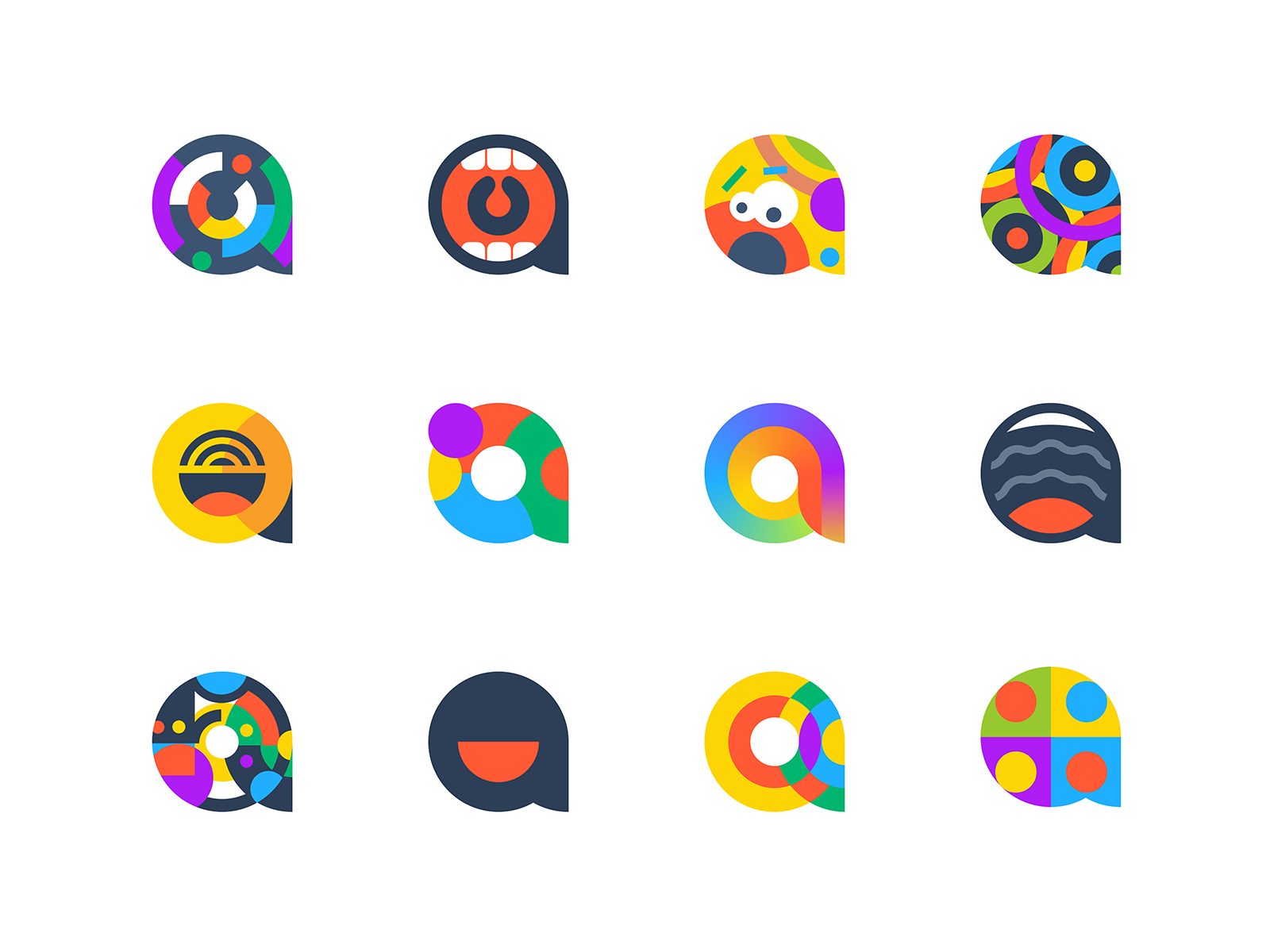
The brands above are different categories, different audiences, different aesthetics. But they share a few properties:
The identity communicates something true. The best brand identities aren't just attractive — they're correct. They communicate something accurate about what the company is and who it's for. When brand and reality are misaligned, sophisticated audiences notice.
They're consistent at scale. Great brand identities hold up from a homepage to a business card to a Twitter avatar to a conference banner. That consistency requires a real system, not just a logo file.
They're specific. Generic identities — the ones that could belong to any company — have low recall. Distinctive identities, even ones that take a risk or look unusual, stick. Brand consistency drives revenue and recognition in ways that generic visual execution doesn't.
If your brand identity isn't doing this work, Jamm builds and evolves brand identities as part of a design subscription. Book a call or see the work.
Hire a team of top level professionals for less money than hiring a single designer. Stupid simple design subscription service to level-up your business!
Looking forward to potentially working with ya ✌️


