Branding
May 21, 2026


Most startups either underspend on branding (using a $5 logo generator and no visual system) or overspend (commissioning a $50,000 brand identity before they have paying customers). Both are mistakes. The right approach is phased: invest in what your current stage actually needs, and build the rest as your business warrants it.
Here's how startup branding works from day one through Series A and beyond, without burning runway on work that's premature.
Most people think "branding" means the logo, colors, and fonts. Those are brand artifacts: the outputs of a brand strategy process. The strategy itself is the underlying work: who you're for, what you stand for, why you're different, and what your brand should make people feel.
Founders who commission beautiful visual identities without doing the strategic work underneath them end up with a brand that looks polished but communicates nothing distinctive. The design is easy to replicate. The strategy is the actual competitive advantage.
You can build the visual identity incrementally. The strategic thinking needs to happen first.
Before you have customers, your brand needs to do one thing: communicate that you're credible and serious. Investors, potential hires, and early customers are all making quick assessments. A coherent visual identity signals competence. A logo from Canva with mismatched fonts signals the opposite. For a look at what AI design tools founders are actually using in 2026 (and where they fall short), see AI design tools for startups: what founders are actually using in 2026.
What to build:
What to defer: Extended logo variants, full brand guidelines, social media templates, custom illustration, marketing collateral.
Budget: $500-$3,000. A skilled freelancer can deliver a functional identity at this range.
Time to complete: 2-3 weeks.
Once you're live and marketing, your brand gets applied to more surfaces: website, email, ads, pitch decks, product. Inconsistency becomes visible and expensive at this stage.
What to build:
What to defer: Brand messaging framework, custom iconography or illustration, design system component library.
Budget: $5,000-$15,000, or a design subscription that builds these incrementally.
Time to complete: 4-8 weeks, or ongoing with a subscription.
When your team grows beyond the founding members, brand consistency requires a documented system that anyone can apply without asking. This is when the full brand investment pays off.
What to build:
Budget: $15,000-$60,000 for a full project engagement, or an ongoing design subscription that layers in new assets as needs arise.
The subscription model is particularly effective at this phase because the needs are ongoing rather than bounded. New channels emerge, the product evolves, new campaigns require new assets. A flat monthly rate that covers all of this is more economical than scoping individual projects for each new requirement.
The quality gap between a $500 logo and a $5,000 identity isn't always visible at first glance. It shows up six months later when you try to apply your brand to ten different contexts and discover it only works in two.
A clean logo, a two-color palette, and one typeface. That's it. The job is "looks credible and isn't embarrassing." Think sharp, minimal, no gimmicks.
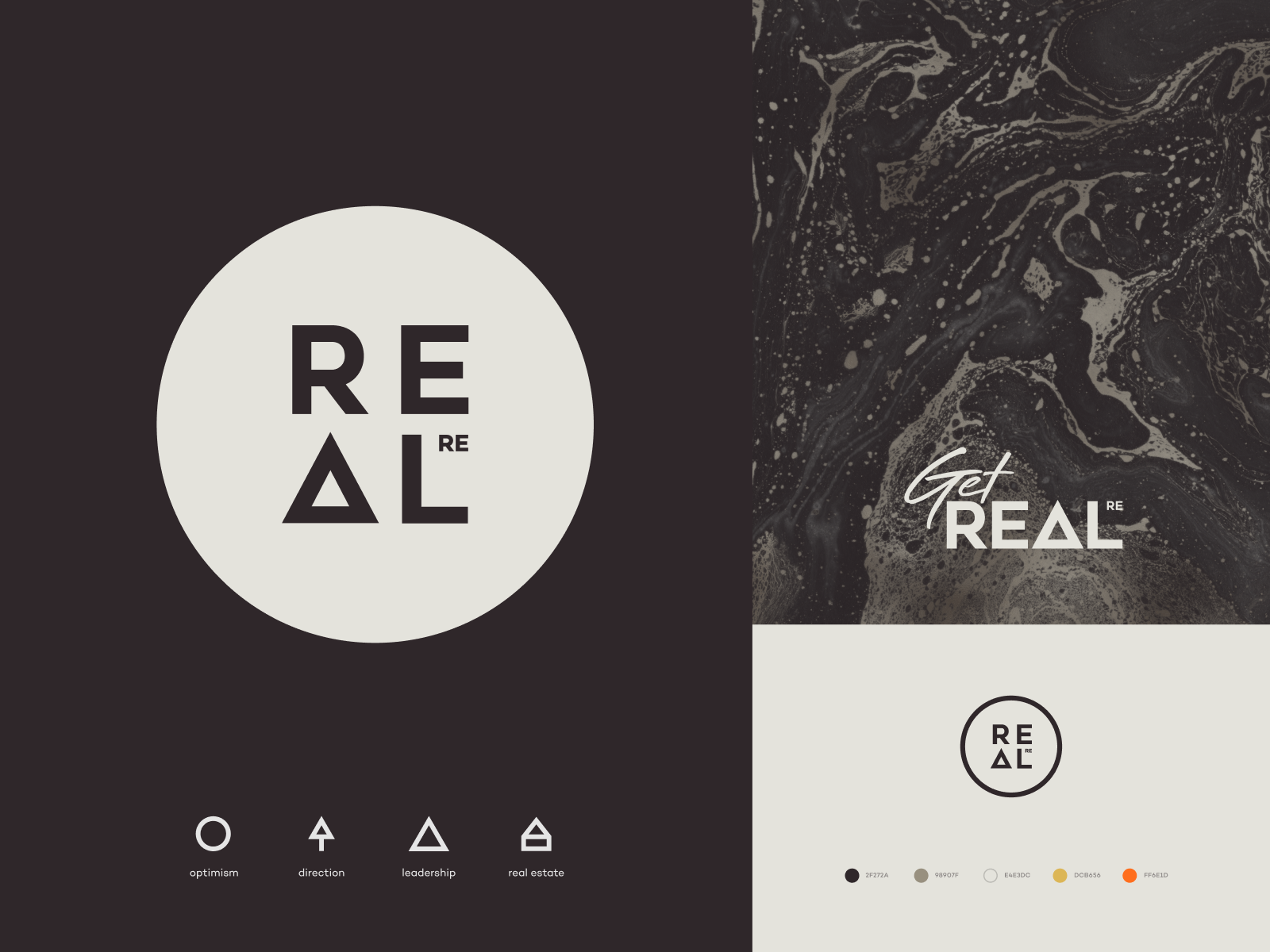
A full logo family, an expanded color system, documented typography hierarchy, and a short guidelines doc. The brand holds up across website, pitch deck, email, and social without looking inconsistent.
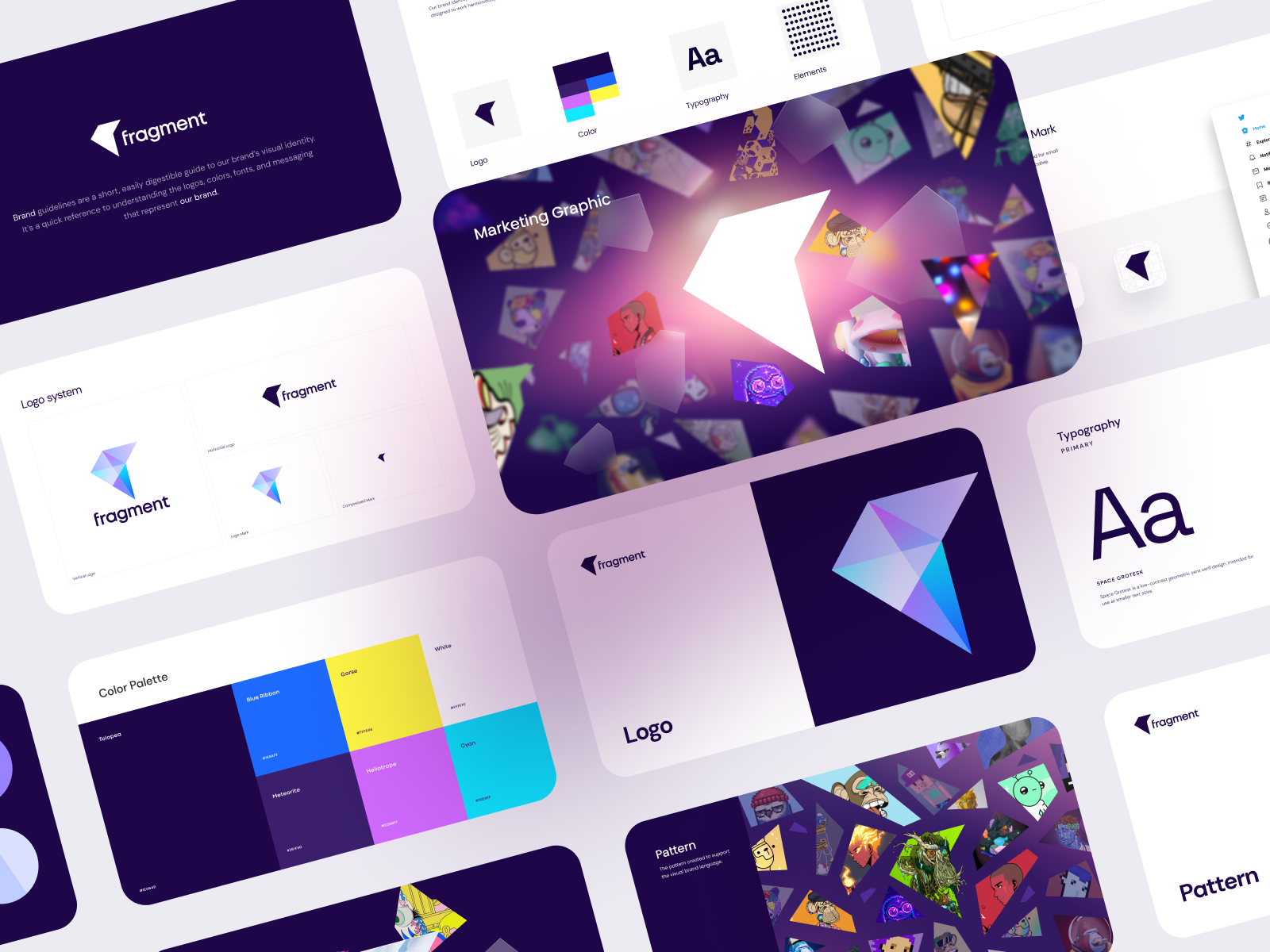
Extended collateral, template library, design system aligned with the product, and messaging documentation. The brand works without you in the room.
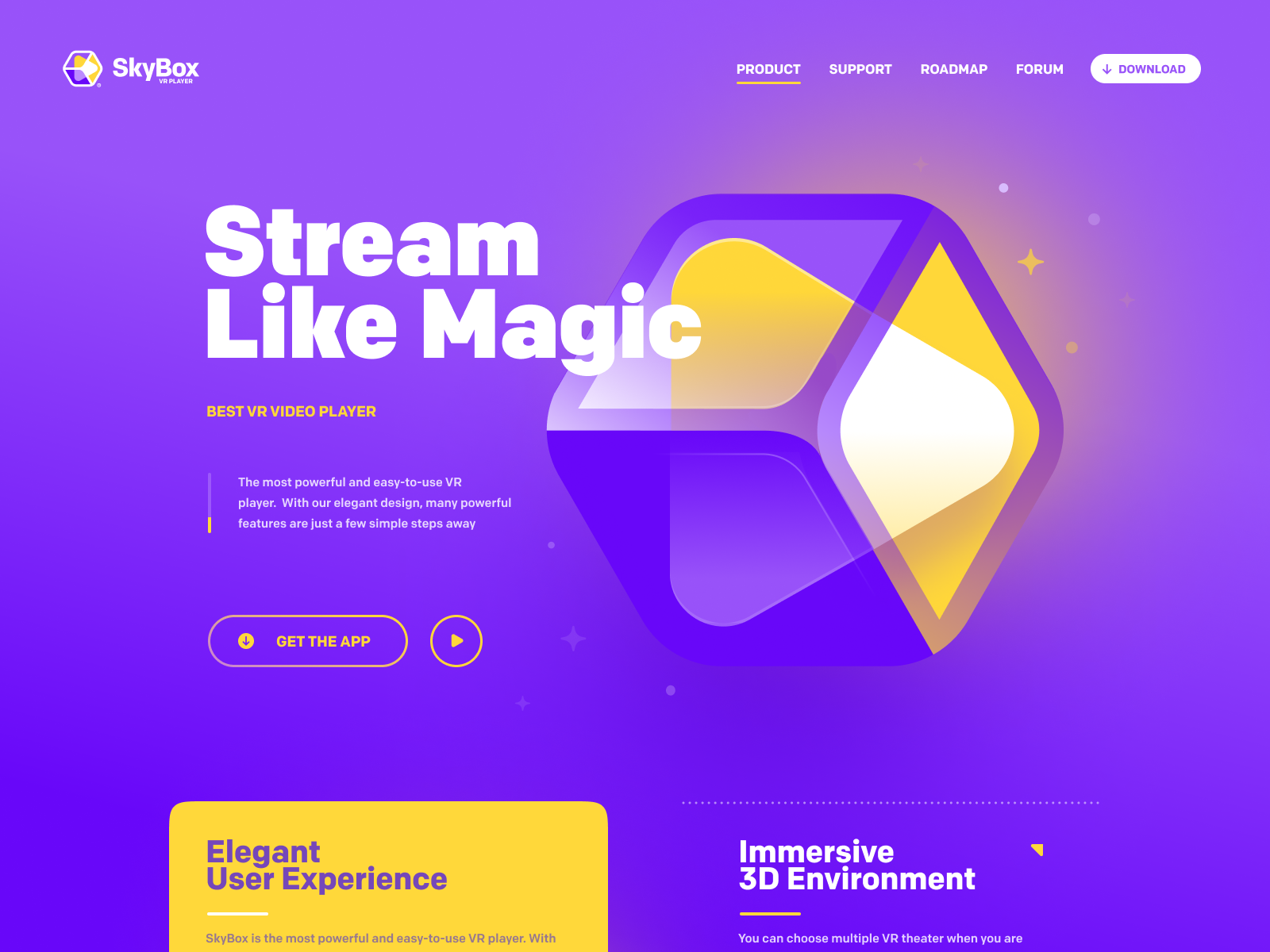
Startups with inconsistent branding spend more time on every design decision, because there's no reference system to answer "what should this look like." Each new asset requires the same discussion that a well-built brand system would have resolved once.
They also leave measurable value on the table. Research from Millward Brown found that strong brands command a 13% price premium over weak ones. For a SaaS product at $10,000/year, that's $1,300 per customer per year in pricing power that weak branding doesn't capture.
And they create re-work. The $3,000 functional logo you launch with will likely need professional refinement before your Series A. The $500 slide template will need a design upgrade before you're presenting to institutional investors. Planning for these iterations in advance is less expensive than doing emergency redesigns under deadline pressure.
Not all branding investment is equal. Some common patterns that signal a bad spend:
Agencies that start with mood boards instead of questions. Before designing anything, a quality branding partner should understand your positioning, audience, and competitive context. If they jump to visual direction in the first meeting, they're designing aesthetics, not brand strategy.
Logo-only deliverables presented as brand identity. A logo file without variants, without usage rules, and without a color system isn't a brand identity. It's a single asset. Make sure any quote you evaluate specifies exactly what's included, not just "branding."
Portfolio that only shows final work. Any experienced branding studio has case studies, not just pretty images. If you can't see the brief, the rationale, and the iteration that led to the final work, you don't know whether they make good decisions or just good-looking outputs.
Timeline mismatch. A comprehensive brand engagement takes 6-12 weeks minimum for discovery, strategy, design, and delivery. Agencies promising complete brand identity in 2 weeks are doing execution work, not strategic work. Know which one you're buying.
Match brand investment to stage:
Each phase builds on the last. The work you do early doesn't get thrown away. It gets extended and refined as the business matures.
Jamm helps startups at every phase, from functional first identities to full brand systems maintained on a subscription. See our branding work or book a call to talk through what your stage actually needs.
Hire a team of top level professionals for less money than hiring a single designer. Stupid simple design subscription service to level-up your business!
Looking forward to potentially working with ya ✌️


