Branding
May 21, 2026


Stock art is fast, cheap, and fine. For a lot of purposes, fine is good enough. But there's a point at which fine starts actively working against you, and that's when custom illustration services become worth the investment.
The question isn't whether custom illustration is better than stock. It usually is, for the right purposes. The question is when the difference matters enough to justify it.
Stock libraries have grown enormously. Unsplash, Shutterstock, and countless illustration packs give you access to professional-looking visuals at near-zero cost. For internal docs, placeholder images, or early-stage marketing, this works.
The problem: everyone else is using the same libraries.
A 2023 Venngage study found that original illustrations and infographics were the top-performing types of visual content in marketing, while stock photos were the least effective. The reason is straightforward: audiences have pattern-matched generic stock imagery. Their brains skip it the same way they skip banner ads.
When your hero section uses an illustration that a prospect saw on a competitor's website last week, or your landing page features the same business-meeting stock photo used by 300 other SaaS tools, the visual isn't communicating your brand. It's communicating "we didn't invest in this."
Custom illustration serves two functions that stock can't:
Visual ownership. A custom illustration style is yours. It becomes part of your brand identity in a way that can't be replicated by a competitor who buys the same stock license. Over time, consistent custom illustration builds a visual language that audiences associate specifically with you.
Specific communication. Stock art generalizes. Custom illustration can show your exact product, your exact workflow, your exact metaphor for the problem you solve. This specificity is especially valuable in onboarding materials, explainer graphics, and website hero sections where clarity of communication drives conversion.
Research in neuromarketing suggests that custom imagery can increase brand recall by up to 80% compared to stock-heavy environments. The distinctiveness creates a visual signature that sticks.
Not every brand needs custom illustration at every stage. Here's a practical framework:
Early stage (pre-product-market fit): Stock is fine. Your brand identity will probably evolve, and over-investing in a custom illustration style before you've nailed your positioning is a common founder mistake. Save the custom illustration budget for when you know what you're saying and who you're saying it to.
Growth stage (scaling marketing): This is where the ROI on custom illustration shows up. If you're running paid campaigns, publishing regular content, and building a recognizable brand presence, a custom illustration style makes everything more coherent and more distinctively yours.
Brand refresh moments: When you're updating your brand identity anyway, building a custom illustration system as part of the refresh is significantly more efficient than doing it as a standalone project later.
High-visibility deliverables: Even brands that use stock art for general content often invest in custom illustration for their website hero, their product onboarding, and their investor materials. These are the moments that matter most.
When you work with a professional illustration team, the deliverable is more than a set of images. It includes:
One area where brands often underestimate the value of custom work: iconography. If your product or marketing collateral uses a lot of icons, the decision between commissioning custom icons vs. using a library follows the same logic as illustration — consistency and ownership vs. speed and cost.
What separates a good illustration team from a mediocre one is the ability to build a system rather than just create individual pieces. Individual illustrations are easy to find. A coherent visual language that scales across your entire brand is rarer and more valuable.
AI illustration tools have gotten good fast. They're genuinely useful for rapid ideation, for testing visual directions before committing to custom work, and for teams with very limited budgets.
But AI-generated art has two significant limitations for brand use:
Lack of ownership. Most AI-generated images can't be trademarked or uniquely owned. The visual style that emerges from the same model is available to anyone else using that model.
Inconsistency. Producing a coherent series of illustrations with consistent characters, proportions, and style from AI tools requires significant prompt engineering and curation. Professional illustrators build a style once and apply it consistently. AI requires active management to maintain that consistency.
For brand illustration that's meant to last, there's still no reliable substitute for a human illustrator with a defined brief and a clear visual direction.
Jamm's illustration service covers custom illustration for websites, marketing materials, and brand systems as part of a flat-rate design subscription. You get a dedicated illustrator who learns your style once and applies it consistently going forward. Book a call to talk through your illustration needs.
The highest-value use of custom illustration isn't a single hero image. It's a system: a defined visual language that covers multiple contexts and scales over time.
A brand illustration system typically defines the character design (proportions, line weights, color palette, expressions), a set of scene-building elements (backgrounds, objects, environments relevant to your product), and the rules for how those elements combine. With that foundation in place, every new illustration — whether it's a blog post header, an onboarding screen, or a social card — is an extension of a consistent visual identity rather than a fresh creative problem.
The compounding value of this is significant. After the system is built, new illustrations can be produced faster and cheaper because the stylistic decisions are already made. A new blog post illustration takes hours to produce within an established system; it might take days if every illustration is being designed from scratch.
This is also what makes it possible to maintain illustration quality across a growing marketing team. When the style is documented and the source assets are organized, different designers or illustrators can produce new work without diverging from the established visual language.
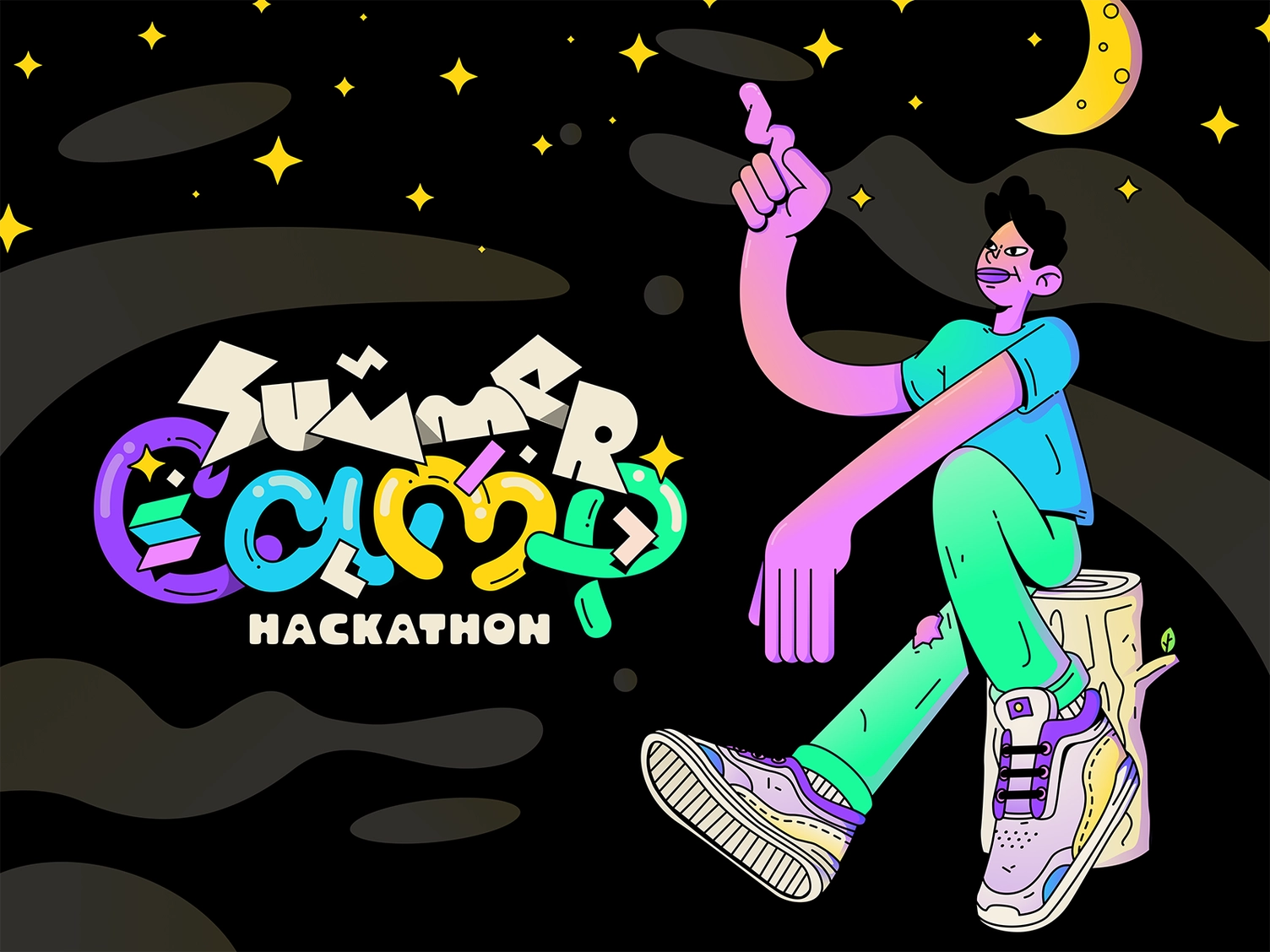


The case for staying with stock is usually made on a per-asset basis: "a stock image costs $15, a custom illustration costs $500." That math is correct at the individual asset level and misleading at the system level.
Consider what a growing brand actually spends on stock art over a year: licensing fees for a stock photography subscription ($300-$2,000/year), additional per-image downloads for specific needs, the time cost of searching for the right image and often settling for close-enough, and the brand cost of visual inconsistency when different team members choose different stock images with different aesthetics.
Add the opportunity cost: when your homepage hero, your social feed, and your email campaigns all use different visual languages because they were assembled from different stock sources, the brand doesn't compound. Each touchpoint is a standalone impression rather than a reinforcement of a recognizable identity.
Custom illustration has a higher upfront cost. Over a two-to-three year horizon, a well-built illustration system often costs less than continued stock licensing while delivering significantly more brand equity. The calculation changes depending on your volume and how seriously you take brand consistency — but the assumption that stock is always cheaper than custom doesn't hold up under scrutiny.
Hire a team of top level professionals for less money than hiring a single designer. Stupid simple design subscription service to level-up your business!
Looking forward to potentially working with ya ✌️


