Branding
May 21, 2026


The average B2B SaaS website converts visitors to leads at 1.5-2.5%. The top 10% convert at 8-15%. That's a 5x gap, driven primarily by design and messaging decisions, not traffic quality or brand awareness.
B2B SaaS website design that moves the needle isn't about being visually impressive. It's about making a skeptical, busy buyer understand quickly why you're worth their attention, believe you can deliver, and take a low-friction next step. Here's what that looks like in the data.
2026 B2B SaaS benchmarks reveal a consistent pattern: the design decisions with the highest conversion impact are structural, not aesthetic.
Clear above-fold value proposition: Hero sections with a specific, outcome-focused headline convert 35-40% better than those with clever or ambiguous messaging. "Reduce your sales cycle by 30%" outperforms "The future of sales." Specificity beats cleverness every time in B2B.
Above-fold CTAs: CTAs positioned in the first viewport, with direct action copy, perform up to 2x better than passive or below-fold CTAs. The decision to continue reading happens fast. The CTA needs to be visible before that decision is made.
Personalized CTAs: Personalized CTAs perform 202% better than generic versions. For B2B SaaS with defined buyer segments (by industry, role, or company size), dynamic CTAs that address the specific context of the visitor represent the largest single available uplift.
Different pages have different jobs. Confusing them creates mixed signals.
Homepage: Establishes who you're for, what you do, and why you're different. Multiple audience segments, multiple value props, broader conversion goals (start trial, book demo, read docs).
Landing pages: Single audience, single message, single CTA. No navigation to distract. No secondary goals to compete. Traffic source specific.
Demo request page: Minimal friction. Ask only for what's needed to qualify and schedule. Every additional field reduces conversion.
Most B2B SaaS sites use their homepage as a landing page and wonder why it underperforms. The homepage serves a different structural purpose.
Generic testimonials ("Great product, highly recommend") have minimal conversion impact. Outcome-specific testimonials with names, titles, and companies ("Closed 3 enterprise deals in our first month using [Product]" - VP Sales, [Known Company]) have significant impact.
Social proof placement adjacent to CTAs and trust badges near the signup form increases conversions by 84-270% compared to proof buried in its own section further down the page.
For B2B SaaS, each additional required field beyond four represents a 15-30% conversion penalty. The trade-off between qualified leads and raw volume needs to be explicit. Asking more means fewer total conversions but potentially better-qualified ones.
Consider: what's the minimum information needed to run a useful first conversation? Start there. Collect the rest in the qualification call or onboarding flow.
B2B SaaS homepages with navigation are standard. But for paid traffic or high-intent landing pages, removing navigation (or making it minimal) consistently increases conversion. Every link in the navigation is an invitation to leave without converting.
For your main homepage, navigation serves a real purpose. For paid traffic landing pages, remove it.
Features instead of outcomes. B2B buyers care about what changes for them, not what the product does in the abstract. Reframe every feature description as an outcome: "Automated pipeline tracking" becomes "Spot stalled deals before your forecast misses."
Mismatched messaging for different buyers. A single generic homepage that tries to speak to SDRs, VPs of Sales, and RevOps leaders simultaneously ends up speaking to none of them compellingly. Segmentation at the homepage (by role, industry, or use case) consistently outperforms generic one-size messaging.
Demo request pages that feel like interrogations. Eight-field demo request forms have conversion rates a fraction of four-field versions. The rigor belongs in the sales process, not the conversion form.
No evidence above the fold. For unfamiliar brands, trust signals (customer logos, G2/Capterra ratings, review counts) above the fold can double conversion on cold traffic. Unknown brands asking for credit cards with no social proof in the hero section lose the majority of qualified visitors in the first five seconds.
Most B2B SaaS website conversion problems aren't fixed at launch. They accumulate afterward, as the site drifts from the original design intent without a structured approach to iteration.
Running one-off changes without a testing framework. Changing the hero CTA copy because someone had a strong opinion in a Slack thread is not a testing strategy. Every meaningful change to a B2B SaaS site should have a hypothesis, a measurement approach, and a timeline before it goes live. Otherwise you're accumulating changes with no ability to attribute results.
Designing for search ranking instead of conversion. SEO content strategy and conversion optimization pull in different directions if you're not careful. Pages optimized purely for keyword coverage tend to have long, text-heavy layouts that don't convert well for high-intent visitors. The best B2B SaaS sites balance both: structured for search, designed for the specific conversion action each page targets.
Neglecting the mobile experience for B2B. "Our buyers are on desktop" is true for most B2B SaaS, but the assumption misses mobile research behavior. Buyers who encounter your brand for the first time often do it on their phone. A mobile experience that makes the product look unpolished creates a first impression that carries into their desktop evaluation.
The quality of a design brief determines the quality of the work. For B2B SaaS websites, a useful brief includes the specific conversion goal for each page (not "more leads," but the CTA action and the user segment being targeted), the current performance baseline, and the hypothesis about what's causing underperformance.
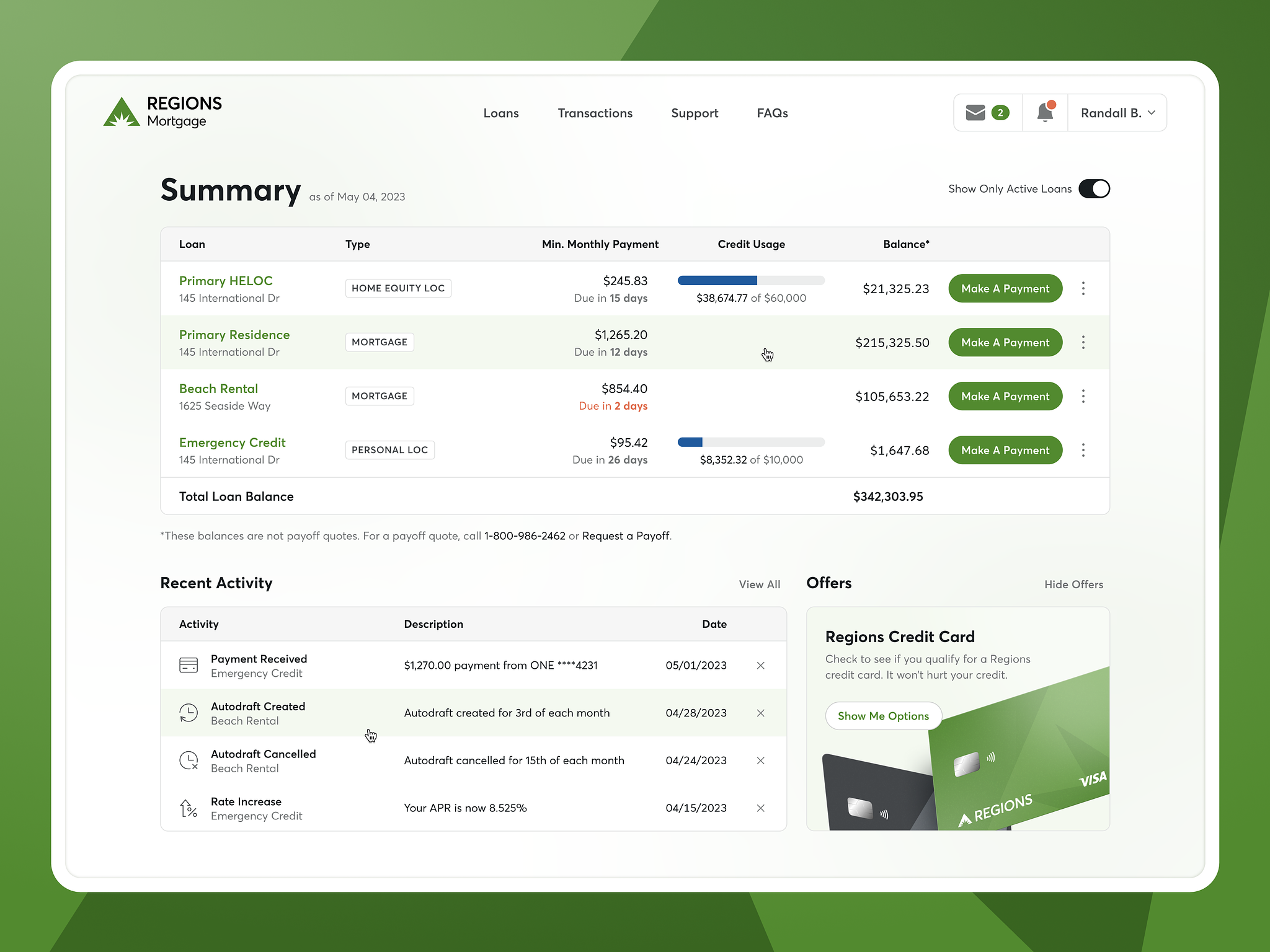
The brief should also specify what's in scope and what isn't. Homepage, landing pages, demo request page, and pricing page each have different conversion jobs. Redesigning all of them at once creates complexity that slows decision-making. Prioritize the page with the highest traffic and the clearest conversion gap, start there, and move through the rest based on what you learn.
B2B SaaS websites that drift from the product's visual system create a gap that sophisticated buyers notice. If the marketing site uses one color palette, one button style, and one typographic system, and the product UI uses something subtly different, the brand feels less coherent than it should. For teams that haven't yet formalized their component library and token structure, design systems: what's included and when you need one is a useful starting point for understanding the investment.
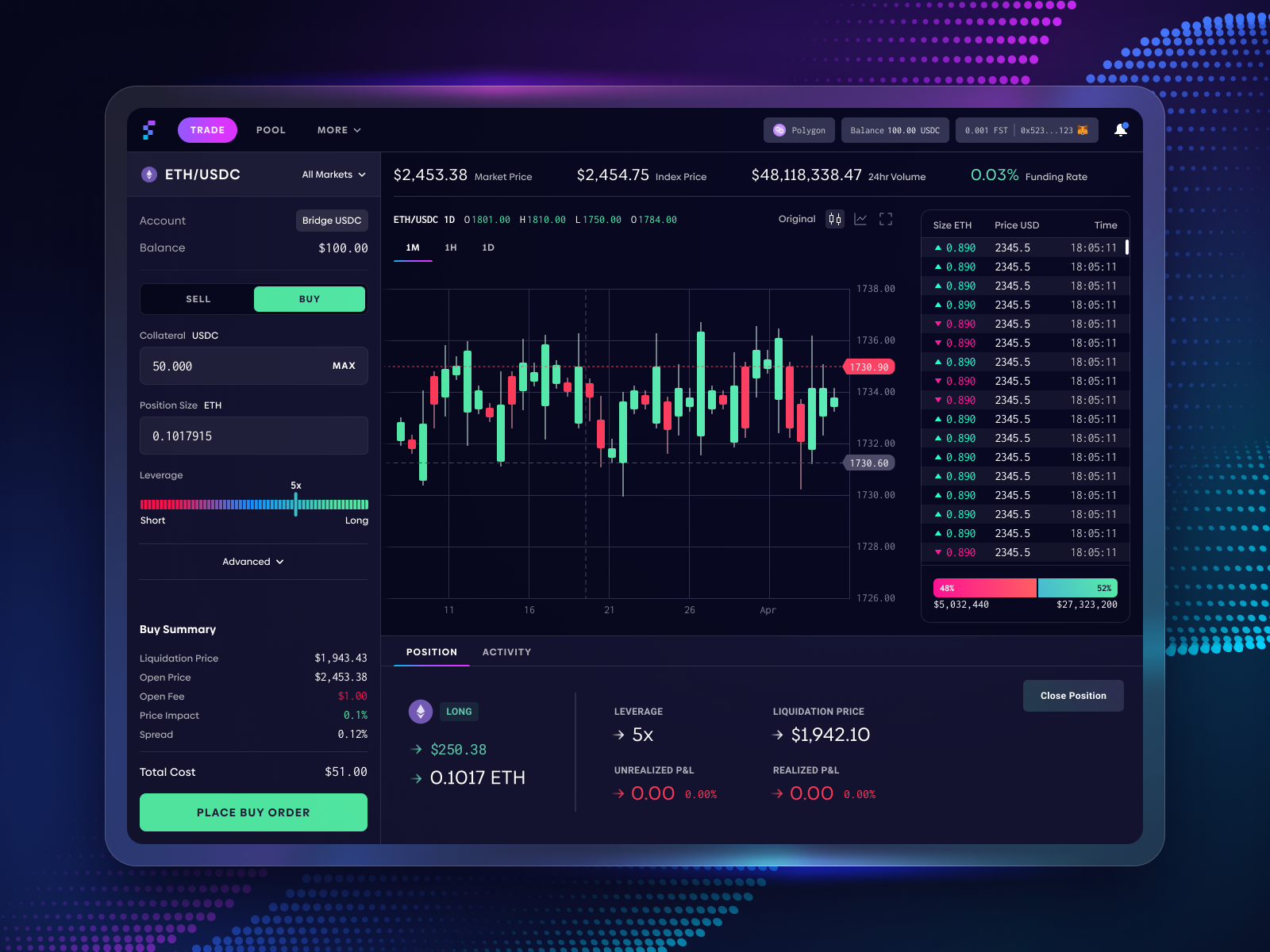
Maintaining alignment between site and product design isn't about pixel-perfection. It's about the overall impression: does this look like one company that has thought through its visual identity, or two different products stitched together? For B2B buyers evaluating whether to trust a vendor with their workflow, consistency signals maturity.
If your B2B SaaS site needs a conversion-focused redesign or you're iterating landing pages for specific campaigns, Jamm handles this work as part of a design subscription. Brief a page, get it built in Webflow within about two business days, test, and improve. Book a call to discuss your website conversion goals.
Hire a team of top level professionals for less money than hiring a single designer. Stupid simple design subscription service to level-up your business!
Looking forward to potentially working with ya ✌️


