Branding
May 21, 2026


You've got a growing list of design requests. Social posts that need refreshing. A pitch deck for next week. A landing page that's been embarrassing you for months. And you're about to make a hire, call an agency, or post another Upwork gig.
Then someone says: "Have you looked into a design subscription?"
And you're immediately skeptical. Unlimited design for a flat monthly rate? Sounds like a gym membership nobody uses. So let's actually look at the numbers, the tradeoffs, and the situations where this model genuinely wins, and where it doesn't.
Before you can evaluate whether a design subscription is worth it, you need an honest picture of what alternatives actually cost.
A mid-level graphic designer in the US runs $65,000 to $95,000 per year in base salary. Add employer payroll taxes, benefits, equipment, software licenses, and the hidden cost of recruiting, and you're realistically looking at $90,000 to $130,000 annually for one person. That person can only work on one thing at a time, needs management, and leaves a gap when they quit or take PTO.
Senior designers cost more. Junior designers need supervision. And neither can cover every type of work. A brand identity specialist isn't the same as a motion designer or a web UI person.
Agency work is project-based, which sounds clean until you see the scope-of-work document. A logo rebrand might run $8,000 to $25,000. A landing page, $3,000 to $10,000. Social media assets? Usually a monthly retainer starting around $2,500 just for a handful of deliverables.
Agencies are excellent for deep, strategic brand work. They're a poor fit when you need a steady drip of varied design output across the month.
Platforms make this feel easy, but hourly rates for skilled designers run $50 to $150 per hour. A few hours of work here and there adds up faster than expected, coordination overhead is real, and quality is inconsistent unless you've built a relationship with one person. Availability is never guaranteed.
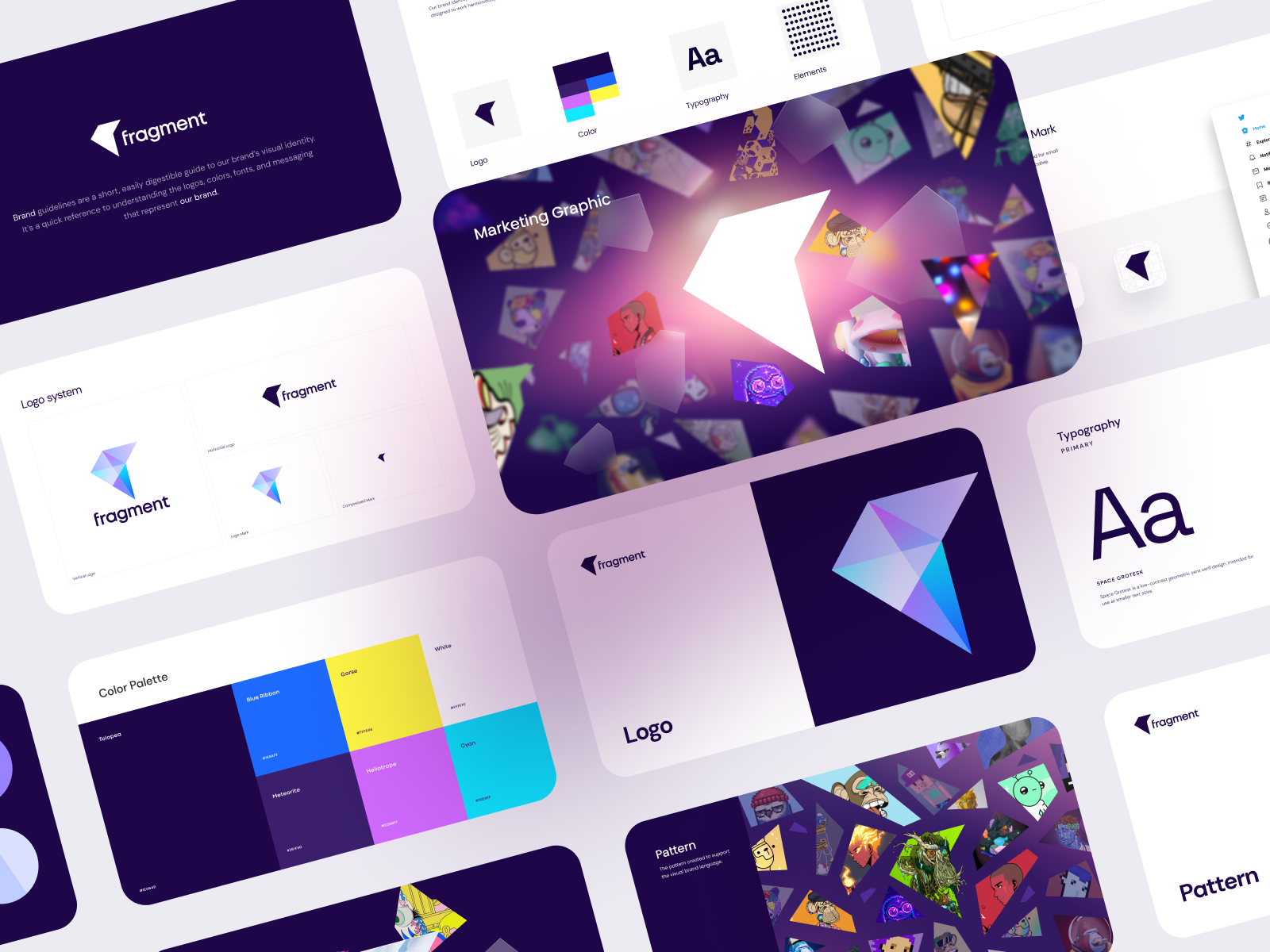
A flat monthly rate, one queue, requests fulfilled in roughly two business days. That's the basic shape of the model.
Pricing varies across providers, but the range typically falls between $1,500 and $5,000 per month depending on tier. At the high end, you're still well below the loaded cost of a single in-house hire. At the lower end, you're paying less per month than a single agency project.
The key word in "unlimited requests" is queue, not simultaneous. One request is active at a time: it gets worked, delivered for your feedback, and then the next one begins. The unlock is velocity over a month: if your team submits 10 to 20 requests per month, the per-asset cost drops dramatically compared to any other model.
Not every business is a good fit. Here's an honest picture of when the math works.
If your team regularly needs social graphics, presentation updates, email headers, ad creative, and the occasional landing page refresh, a subscription keeps all of that moving without managing multiple vendors or burning through an hourly budget.
The variety matters. A subscription service covers a wide range of deliverable types, which means one flat rate replaces what would otherwise be a patchwork of freelancers.
Hiring is a commitment. A subscription is a subscription. You can cancel if your funding round falls through or your priorities shift. That optionality has real value when you're not yet sure what your design needs will look like in six months.
The best subscription services staff senior designers, not junior ones. That's worth checking before you sign up anywhere. Senior designers are faster, require less direction, and produce work that doesn't need rounds of rework. The cost of a bad design isn't just the money you spent, it's the time you spent reviewing and revising.
If your existing designer is overloaded, or if design requests are piling up in a Notion doc that nobody gets to, a subscription adds capacity immediately, no recruiting required.
Worth being direct about this.
You have one large, complex project. If you need a complete brand overhaul, a full-scale website rebuild from scratch, or a complex product UI, a subscription isn't the right tool. That work requires deep strategy, stakeholder workshops, and a dedicated team. Hire a specialized agency or studio for that.
Your turnaround requirements are extreme. Two business days is fast for most work. If you regularly need a finished design in four hours because you're in a high-velocity ad buying environment, the model may not fit your pace, or you may need to be selective about what goes through the queue versus handled differently.
You have very specialized technical needs. 3D modeling, motion graphics at scale, industrial design, or highly niche illustration styles may exceed what a subscription service covers. Check the scope clearly before committing.
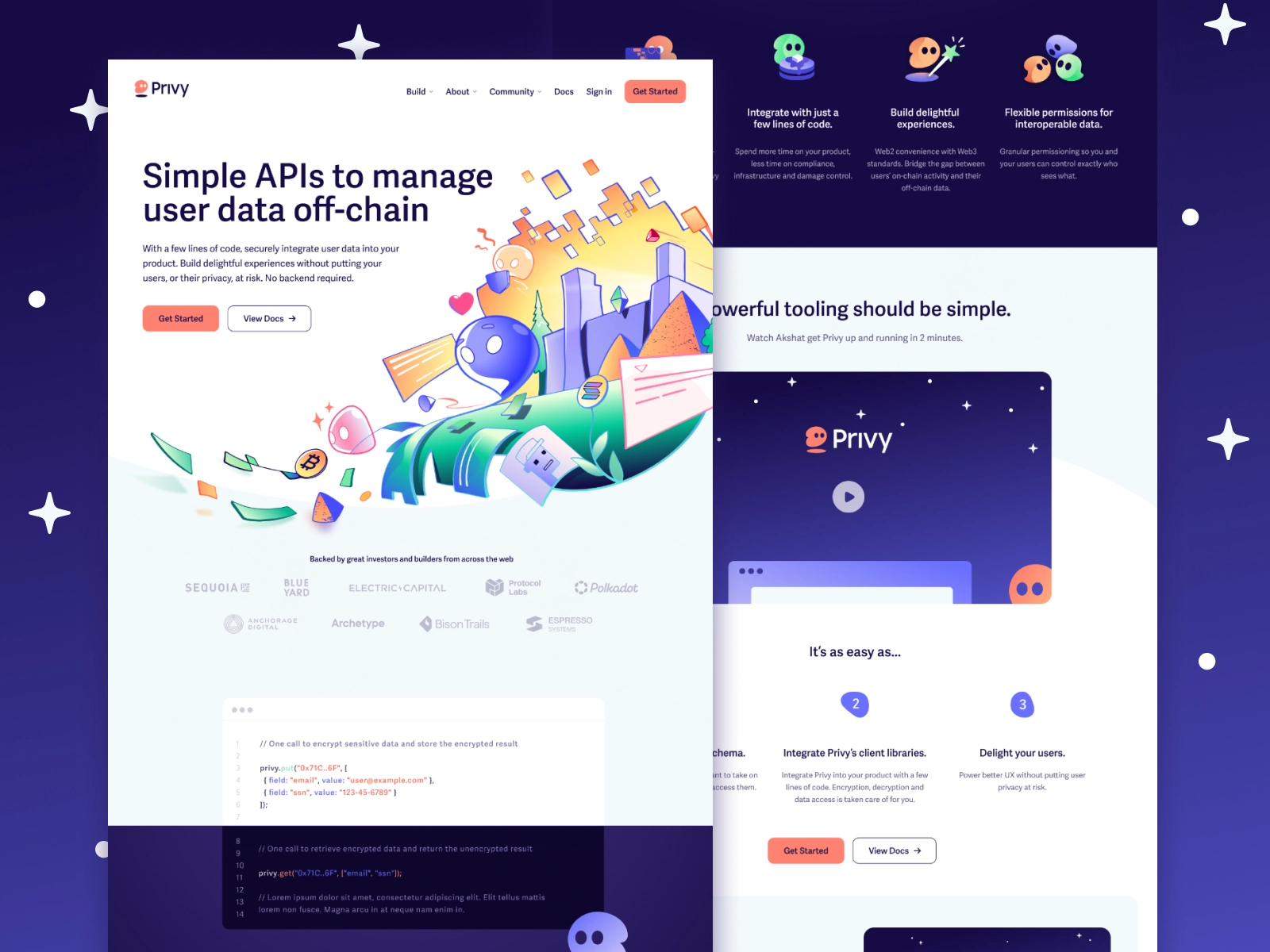
The most common anxiety about the subscription model: will the work actually be good?
The honest answer is: it depends on who you subscribe to. The model itself doesn't dictate quality, the team behind it does.
Things to check before committing:
Jamm publishes its work openly and staffs senior designers specifically because the quality question is the right one to ask. If you're going to trust a subscription with your brand, you should be able to see what it produces.
If you've read this far, you're probably seriously evaluating whether this is the right move. The best way to find out is to talk through what you're currently spending and what your design backlog actually looks like.
Book a call and we'll give you an honest read on whether a subscription makes sense for your situation.
Let's put a real scenario to it.
Imagine a Series A startup with a small marketing team. Over a typical month, they need:
That's 20 deliverables. At a conservative freelancer rate of $75/hour with an average of 2 hours per deliverable, that's $3,000 for one month. Inconsistent quality, multiple vendors, and zero carryover.
At a flat subscription rate of $1,995 to $3,000 per month, you get the same output with a single point of contact, brand consistency across everything, and the flexibility to add more requests if priorities shift.
The breakeven point is usually somewhere around five to eight requests per month. Above that threshold, the subscription almost always wins on a per-deliverable basis. And it wins by a wider margin the more you use it.
The financial math is one part of it. The other part is behavioral.
When design has a cost per request, teams self-censor. They skip the social post because it doesn't feel worth the invoice. They live with the outdated slide deck. They push the landing page refresh to next quarter.
When design is a flat monthly cost, that friction disappears. Teams request more, ship more, and end up with a brand that actually reflects where the company is rather than where it was two years ago.
That shift, from design-as-scarce-resource to design-as-always-available, is what makes the model genuinely different. It's not just a pricing structure. It changes how a team relates to creative work.
For a deeper look, this breakdown of what's actually included in a subscription covers the scope in detail.
Design subscriptions are worth it when your design needs are ongoing, varied, and volume-driven. They're the wrong tool for singular complex projects or extreme turnaround demands. The model rewards teams that stay active with it.
If that sounds like your situation, the math is usually straightforward. If you're not sure, the best move is to check the portfolio, talk to the team, and run a month to see what you actually ship.
Start your design subscription and see what a full month of output looks like for your team.
Hire a team of top level professionals for less money than hiring a single designer. Stupid simple design subscription service to level-up your business!
Looking forward to potentially working with ya ✌️


