Branding
May 21, 2026


How you get your pitch deck designed affects more than the aesthetics. It affects how long it takes, what it costs, how easily you can iterate, and how polished the final product looks to investors who've seen thousands of decks.
Here's the straight comparison.
Templates are the lowest-cost entry point — many are free, paid versions run $30-$200, and they're available for PowerPoint, Google Slides, and Keynote.
When templates work:
Where templates fall short: Investors see template-based decks constantly. A recognizable template signals either budget constraint or design indifference — neither is the message you want to send to a lead investor reviewing your Series A materials. More practically, templates constrain your layout choices in ways that may not suit your specific content.
Templates also don't solve the underlying design problem: making complex information clear, creating visual hierarchy that guides the reader, and ensuring brand consistency throughout.
Cost: Free to $200 for the template; significant internal time to customize.
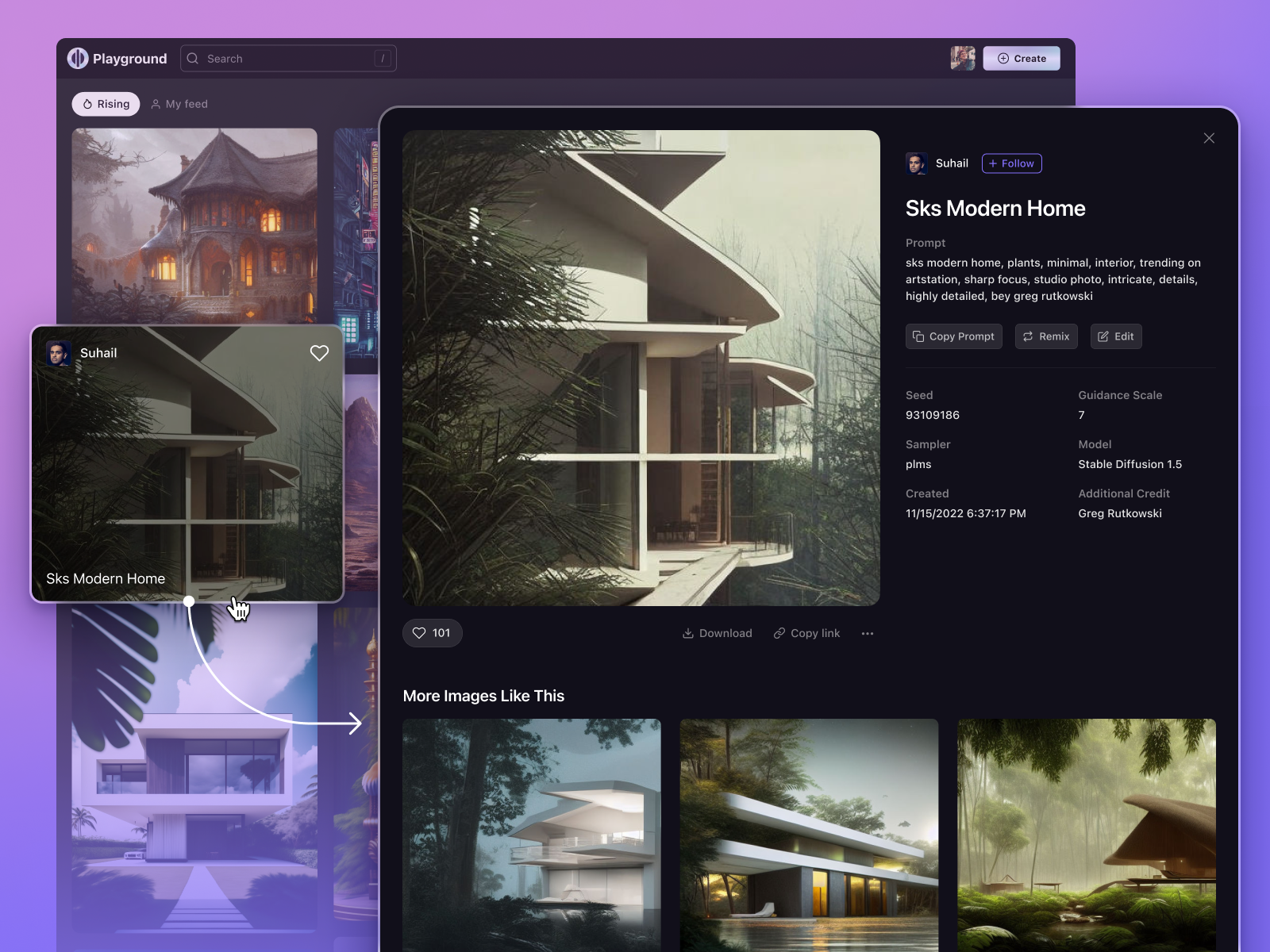
A pitch deck design agency provides custom design with messaging support, multiple rounds of feedback, and senior design direction.
When agencies work:
Where agencies fall short: Cost is the primary barrier. Agency pitch deck services range from $3,000-$15,000 for a full project engagement. For a seed round deck that may be iterated many times before it lands, that cost is hard to justify.
Agencies also operate on project timelines. If your narrative changes significantly after the initial engagement (which it almost always does as you test it in conversations), getting back onto the agency's schedule for revisions takes time.
Cost: $3,000-$15,000 depending on agency and scope.
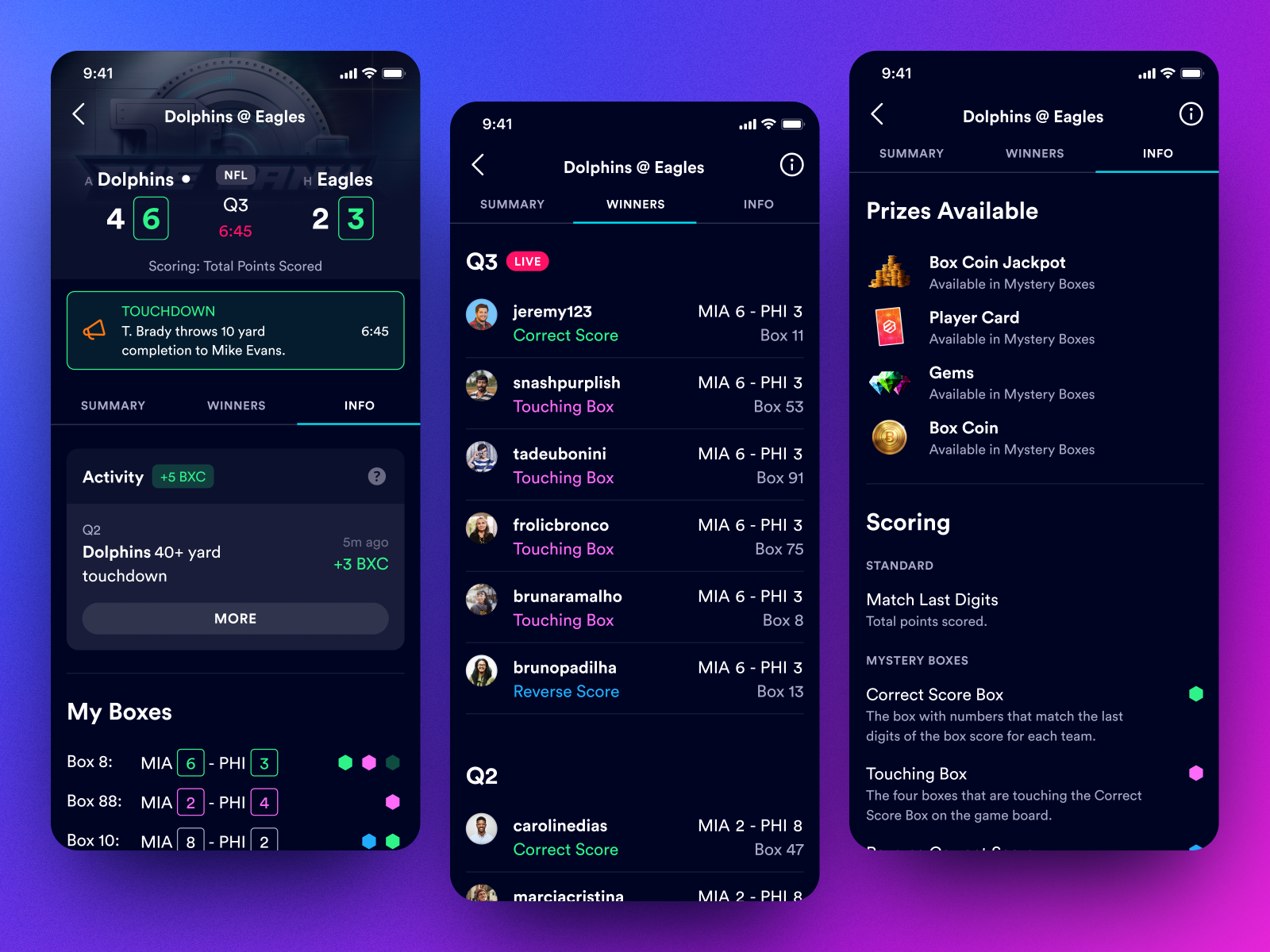
A design subscription includes pitch deck work alongside other design requests at a flat monthly rate. You submit the deck as a request, get a first draft in 48-72 hours, iterate until it's right, and never pay a change order.
When subscriptions work:
Where subscriptions fall short: A subscription service built primarily for web and brand design may not have deep pitch deck storytelling expertise. Confirm that pitch decks are in-scope and that the designer has experience with investor-facing materials specifically.
Cost: $800-$2,500/month for a subscription that includes pitch deck work.
Pre-seed / friends and family: Template or early subscription. Relationship and business fundamentals matter more than design quality at this stage.
Seed round ($500K-$3M): Subscription is typically the most economical model. You'll iterate many times, and the flat rate covers all revisions without additional cost.
Series A ($3M-$15M): Agency or premium subscription service with demonstrated pitch deck experience. The stakes justify higher investment in quality and messaging strategy.
Series B+: Agency. The professionalism of your materials is now part of the signal you're sending to institutional investors.
Pitch deck design is rarely a one-and-done project. You test the deck in investor conversations, refine the narrative based on reactions, and revise. The more you're likely to iterate, the more the subscription model's unlimited revisions structure saves you.
If your deck will be used for one defined fundraising sprint of 6-8 weeks and then retired, a project-based agency engagement amortizes well. If your deck is a living document that evolves over months, a subscription is more economical.
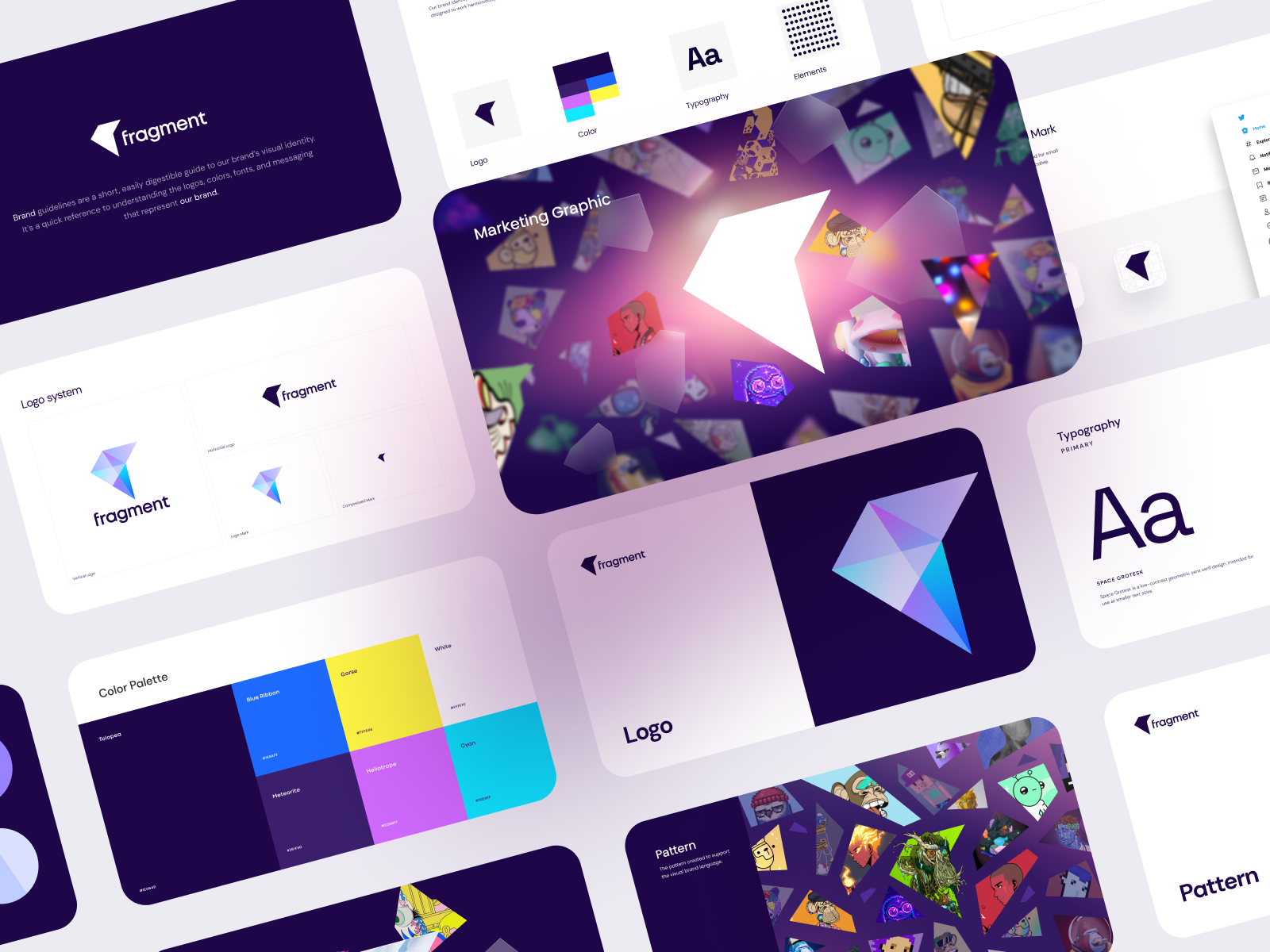
Jamm designs pitch decks as part of a flat-rate subscription alongside website, branding, and product design. Book a call to talk through your fundraising timeline and what design support makes sense.
The pitch deck design market has grown significantly, and quality varies more than the pricing suggests. A few questions help separate the services worth using from the ones that will cost you time.
Have they designed decks for your funding stage? A seed deck and a Series A deck are different documents. A designer who primarily works on Series A materials may over-engineer a seed deck; a designer who mostly does templates may not have the data visualization chops for a Series A. Ask for examples at your specific stage.
Do they understand the investor audience? Pitch deck design isn't pure graphic design — it requires understanding what institutional investors actually look for: clear unit economics, a legible market size framing, traction charts that tell a story, and data slides that don't require a zoom to read. Ask the designer what decisions they make based on investor behavior, not just design principles.
How do they handle narrative changes mid-project? Your story will evolve. The first investor conversation will surface something you didn't anticipate. How does the designer handle a significant pivot in framing mid-engagement? For agency and freelance engagements, this is when change orders appear. For subscriptions, it's just the next request in the queue.
What do deliverables look like? For templates: are the files native Keynote/PowerPoint/Google Slides, and how editable are they after delivery? For agencies and subscriptions: do you receive editable source files (Figma, Keynote) or just exported PDFs? You need to be able to update the deck yourself between investor conversations without going back to the designer every time.
Most founders underestimate how many times a pitch deck changes before a round closes. Based on typical fundraising timelines, a deck goes through 5-10 meaningful revisions between the first draft and the final version used to close the round. Some of those revisions are minor (updated numbers, new customer logos). Some are structural (repositioning the narrative, adding a new slide for AI strategy, redesigning the traction visualization).
For project-based engagements, each structural revision is potentially a change order. For subscription-based design, each revision is just the next request. If you're early in the fundraising process and expect your narrative to evolve, this difference compounds significantly over the course of a raise.
Hire a team of top level professionals for less money than hiring a single designer. Stupid simple design subscription service to level-up your business!
Looking forward to potentially working with ya ✌️


