Branding
May 21, 2026


Investor pitch decks follow a familiar structure for a reason: VCs review hundreds of decks a year. When your deck follows the expected structure, investors can quickly find the information they need. When it doesn't, they have to work harder — and that friction costs you.
Here are the 11 slides every VC expects, what each one needs to accomplish, and the common ways founders mess them up.
What it should do: Communicate who you are and what you do in five seconds.
What to include: Company name, one-line value proposition, your name and contact information, and the funding stage/amount you're raising.
Common mistake: Making the title slide just the logo. An investor opening your deck for the first time wants immediate context. "Acme — AI-powered AP automation for mid-market CFOs" gives that context. A logo doesn't.
What it should do: Define the specific, painful problem you're solving — and make investors feel it.
What to include: The problem statement in concrete terms, who experiences it, how significant it is, and (where possible) what inadequate solutions currently exist.
What investors evaluate: Is this a real, large, painful problem? Is the founder close enough to this problem to understand it? Vague or academic problem statements ("businesses struggle with inefficiency") don't land. Specific ones do ("mid-market AP teams spend 40% of their time on manual data entry that should take minutes").
What it should do: Introduce your product and the core mechanism of how it solves the problem.
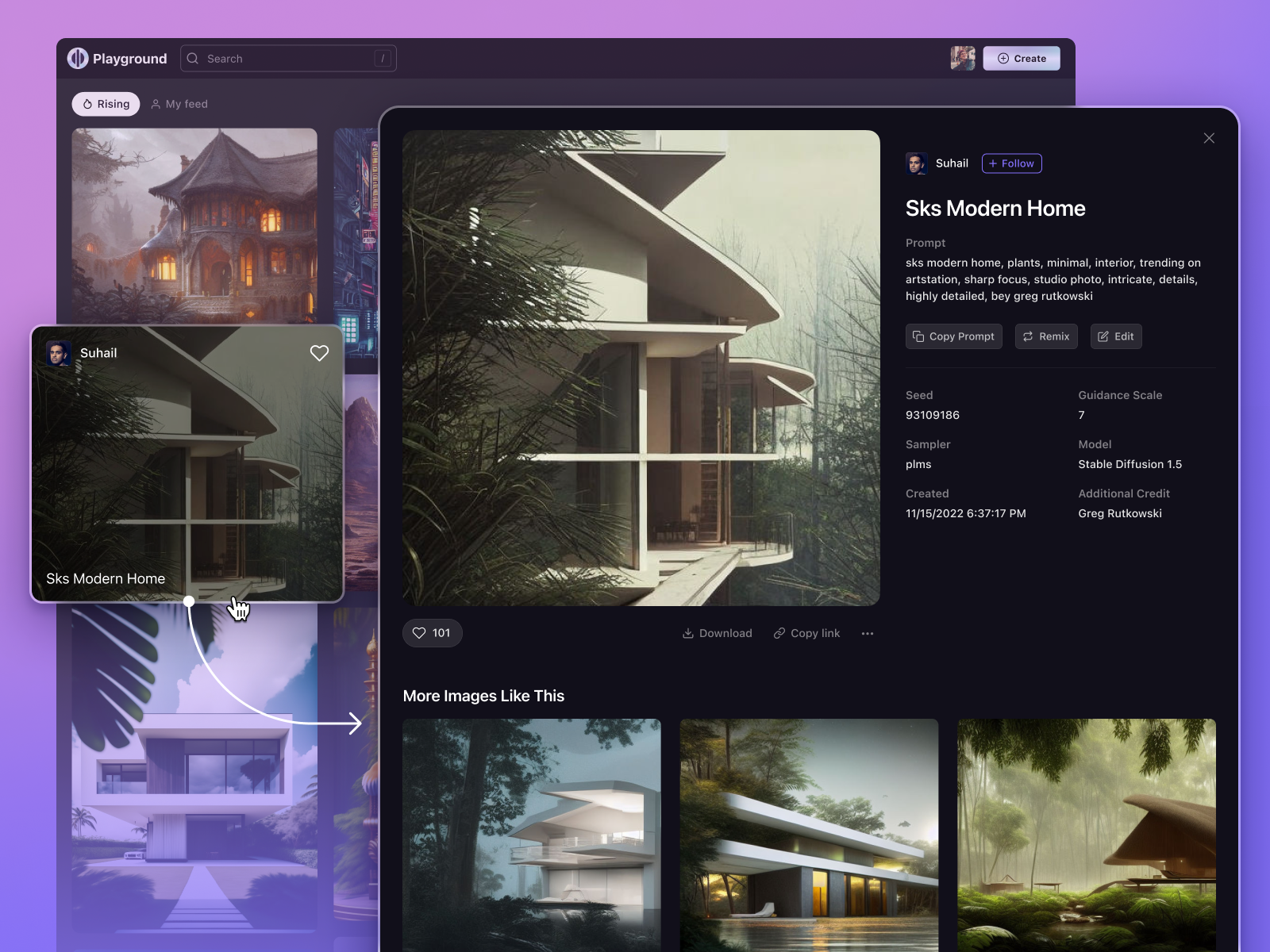
What to include: A clear description of what you've built, ideally with a screenshot or simple visual of the product. One or two sentences on why your approach is different.
Common mistake: Over-explaining the technology. At this stage, investors want to understand what you built and why it works, not how the architecture is structured.
What it should do: Quantify the opportunity — and do it credibly.
What to include: TAM (total addressable market), SAM (serviceable addressable market), and SOM (your realistic near-term target). Investors want to see that you understand the difference and that your projections are grounded.
What investors evaluate: Is this market large enough to produce a venture-scale outcome? Is the founder's math real or made up? Bottom-up calculations ("we serve this segment, which has X players each paying $Y") are more credible than top-down ones.
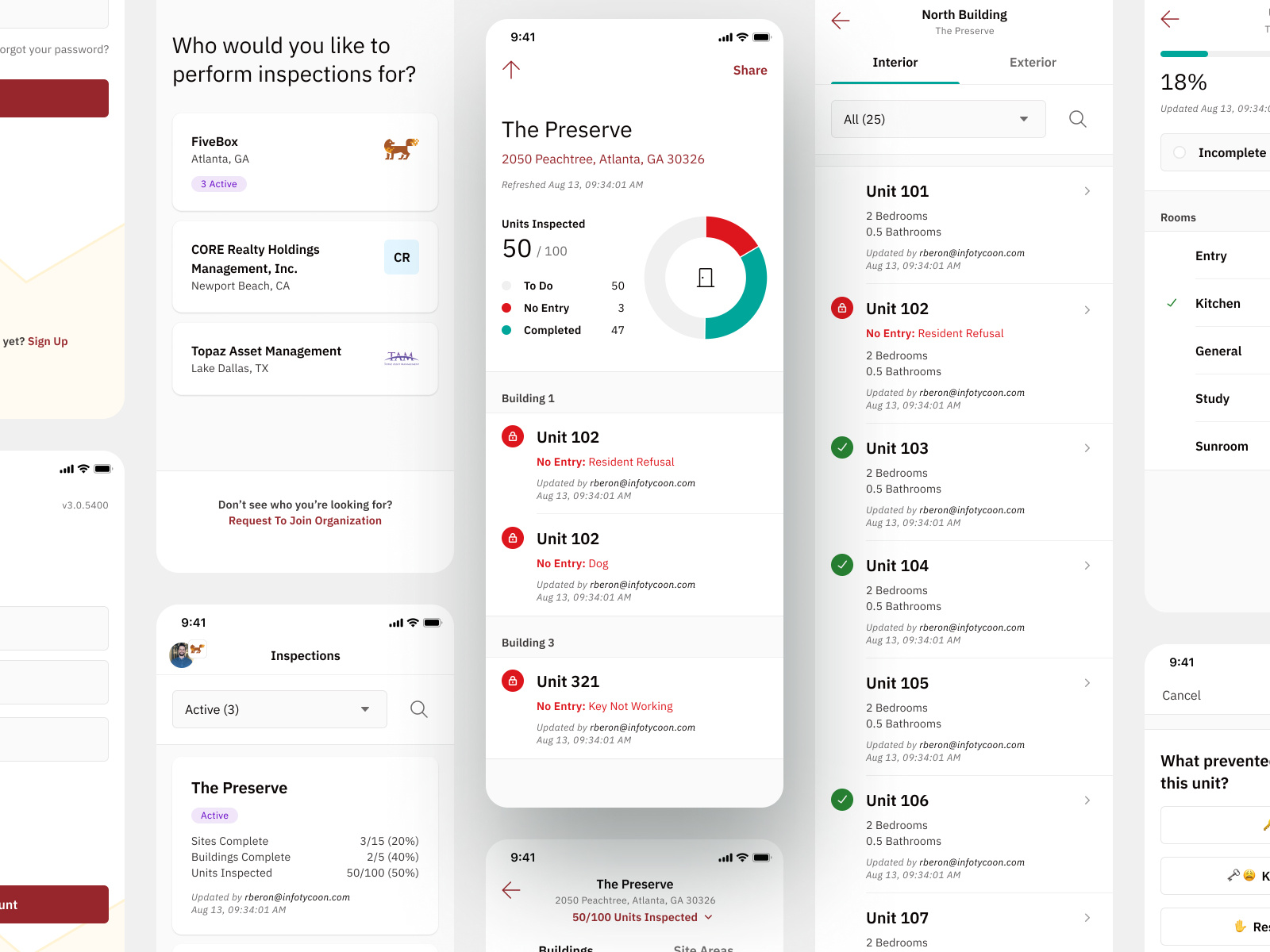
What it should do: Show the product working. This is where screenshots, short demo videos, or product walkthroughs belong.
What to include: Key product screens, the user workflow, any distinctive features that deliver the core value proposition.
Common mistake: Skipping this slide or replacing it with a feature list. Investors want to see the thing you've built.
What it should do: Show evidence that the market wants this.
What to include: Revenue (ARR/MRR), user growth, customer logos, retention data, NPS, notable enterprise contracts — whatever evidence of traction you have.
In 2026, investors specifically look for: Net Dollar Retention (NDR) to assess whether existing customers expand over time, and CAC Payback Period to assess capital efficiency. If you have these numbers and they're strong, feature them prominently.
Common mistake: Leading with vanity metrics (downloads, signups) before revenue and retention. Investors filter on efficient growth.
What it should do: Explain how you make money.
What to include: Pricing structure, average contract value, key customer segments, and the unit economics behind the business.
What investors evaluate: Can this model scale? Is the pricing justified? Is there a path to increasing LTV over time?
What it should do: Show how you plan to acquire customers at scale.
What to include: Your current acquisition channels, CAC by channel, what's working, and how you plan to scale it.
Common mistake: Writing a generic marketing plan. Investors want to know what you've already tried, what actually works, and why that channel can scale.
What it should do: Show that you understand the competitive landscape and have a defensible position in it.
What to include: The major competitors (direct and indirect), how you compare on the dimensions that matter to buyers, and your sustainable differentiation.
Common mistake: The "2x2 matrix where we're the only company in the best quadrant" chart. Investors have seen this a thousand times. A more direct and credible framing — "Here's what exists, here's why it falls short for this customer segment, here's why our approach wins" — works better.
What it should do: Answer: why is this team uniquely positioned to win this market?
What to include: Founders' backgrounds with specific experience relevant to the problem, relevant past companies or roles, and any notable advisors or early team members.
What investors evaluate: Domain expertise, prior startup experience, technical credibility, and whether this looks like a team that can execute. "Serial entrepreneur" matters less than "spent 10 years inside this specific problem."
What it should do: Show the business trajectory and make the ask explicit.
What to include: Revenue projections (3 years, shown as a chart), key assumptions driving the projections, how much you're raising, and how the capital will be used.
In 2026: Investors want to see the Rule of 40 metric (growth rate + profit margin) and a clear path toward capital efficiency, not just growth. "Grow at all costs" is out. Efficient growth with a credible path to profitability is in.
Common mistake: Projections that assume unrealistic growth curves ("if we capture 1% of the market..."). Model from the bottom up — your current pipeline, your close rate, your expansion revenue. Let the number come from the model, not from working backward from a target.
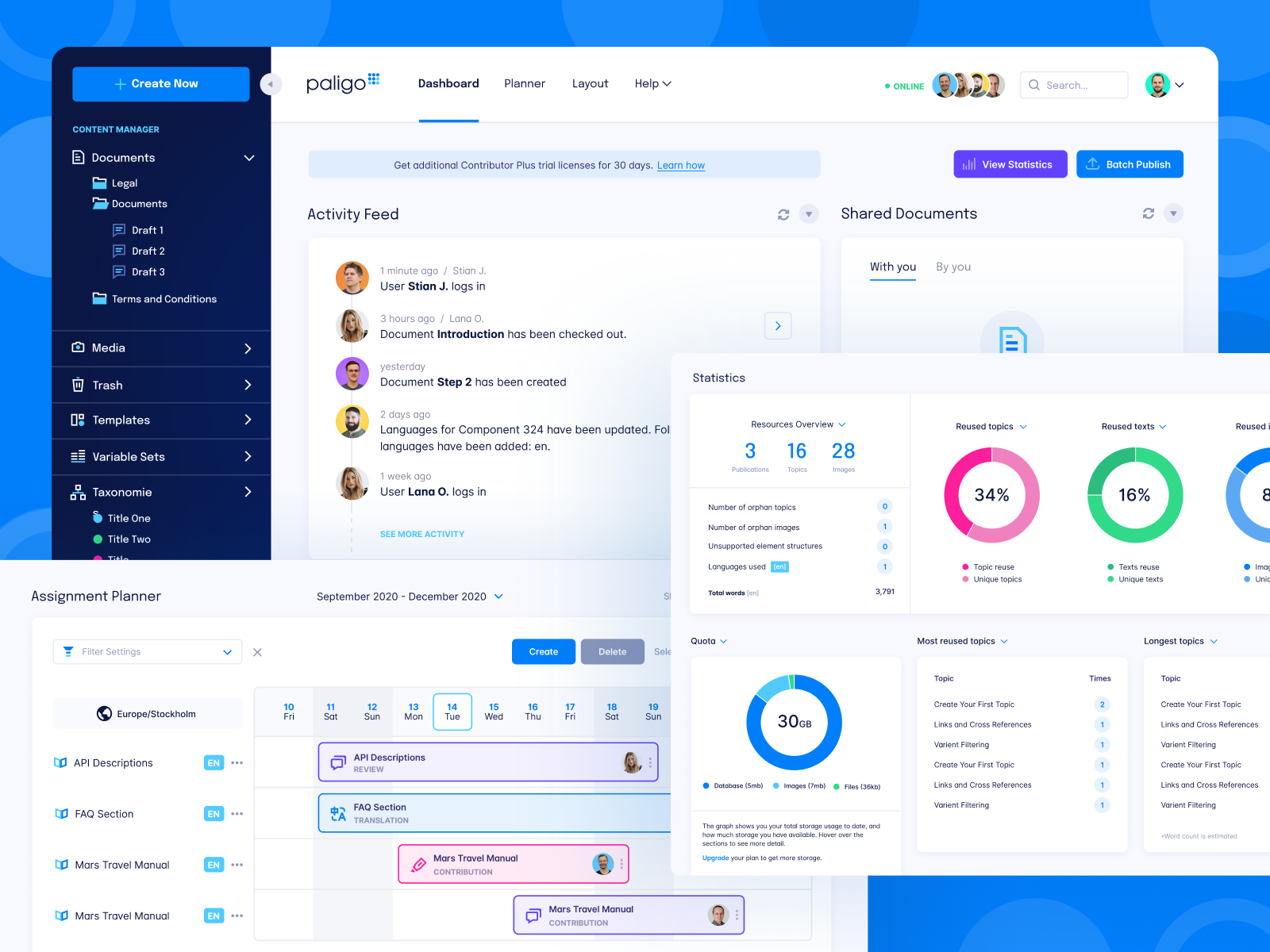
Each slide should have one job. One clear claim, one supporting visual, one key data point. When a slide tries to do three things, it does none of them clearly.
Investors who spend 90 seconds on your deck will extract 3-5 key facts. Make sure those are the ones you want them to have.
If your pitch deck needs professional design that matches the quality of your business, Jamm designs investor decks as part of a design subscription. See the work or book a call before your next round.
Hire a team of top level professionals for less money than hiring a single designer. Stupid simple design subscription service to level-up your business!
Looking forward to potentially working with ya ✌️


