Branding
May 21, 2026


Not all Webflow agencies are equal, and the wrong one will cost you more than the right one saves you. A bad Webflow build is slow, fragile, hard for your team to edit, and built in a way that makes future changes expensive. A good one is fast, maintainable, and set up so your team can actually use it without calling a developer every time you want to update a sentence.
Here's what to look for when choosing a Webflow development agency, from evaluating portfolios to asking the right questions before you sign.
Webflow combines design and development in a single environment. That means fewer handoffs, faster iteration, and a CMS that non-technical teams can actually use. It's become the platform of choice for SaaS companies, agencies, and growth-stage startups that need a site they can own and update without going back to a developer for every change.
But Webflow's power comes with complexity. The CMS architecture, the component structure, the performance optimization: these things require real expertise. A designer who "does Webflow" is different from an agency that specializes in it. The portfolio reveals which one you're dealing with.
Look for live published sites, not mockups. Anyone can show you a beautiful Figma comp. Ask for the live Webflow sites they've built. Then open them, test the load speed, and try to interact with the CMS. A slow site or a CMS that's clearly been bolted on as an afterthought tells you something important.
Check the CMS structure. Ask them to walk you through how they structured the CMS collections on a recent project. Good Webflow agencies think about CMS architecture before they think about design. If they can't explain it clearly, they probably didn't think about it carefully.
Look for variety in complexity. Simple marketing sites are table stakes. Look for evidence they've handled: dynamic CMS-driven pages, complex animations, Webflow integrations (Memberstack, Finsweet, custom code), and multi-language setups if relevant to you.
1. Do you work exclusively in Webflow, or do you also build in other platforms? Specialists tend to produce better Webflow work than generalists who switch platforms per client.
2. Who will actually build my site? The senior designer who pitched you may not be the one building your site. Ask who's on your project specifically.
3. How do you structure the CMS? This is a technical question that reveals how deeply they think about post-launch maintainability.
4. How do you handle SEO during the build? A good agency considers metadata structure, page speed, Core Web Vitals, and clean HTML structure from day one. It shouldn't be an afterthought or an add-on.
5. Who owns the Webflow project after launch? Your site should live in your Webflow account with full admin access. Never let an agency hold your site hostage in their account.
6. What does your QA process look like before launch? Cross-browser testing, mobile responsiveness, form testing, link checking, CMS content validation. If their QA process is informal or vague, launches will be messy.
7. Do you provide training on how to use the CMS? Your team needs to be able to update content independently. If the agency doesn't plan to hand this off properly, you'll be calling them for every edit.
8. What's your process when something breaks post-launch? Ask specifically about response time and whether post-launch support is included or billed separately.
9. How do you handle revisions during the build? Understand whether revision rounds are fixed in the contract or billed hourly. Scope creep is where costs balloon.
10. Can you show me a site you built where the client team manages it independently? This is the real test. A great Webflow build enables the client to operate independently. A weak one creates ongoing dependency.
For teams that need ongoing Webflow work (new landing pages, CMS updates, feature additions, design iterations) a design subscription with Webflow capability is often more cost-effective than an agency retainer.
With Jamm, Webflow development is part of the same flat-rate subscription that covers design. You work with one team who knows your brand and your CMS, without paying agency retainer rates or briefing a new team every time you need a page built. Book a call to talk through your site needs.
The right CRO approach for landing pages matters just as much as the build quality, so factor both into your hiring decision.
The proof of a good Webflow agency isn't in a Figma presentation. It's in a live site that loads fast, looks right at every breakpoint, and can be edited by a non-developer without calling anyone.
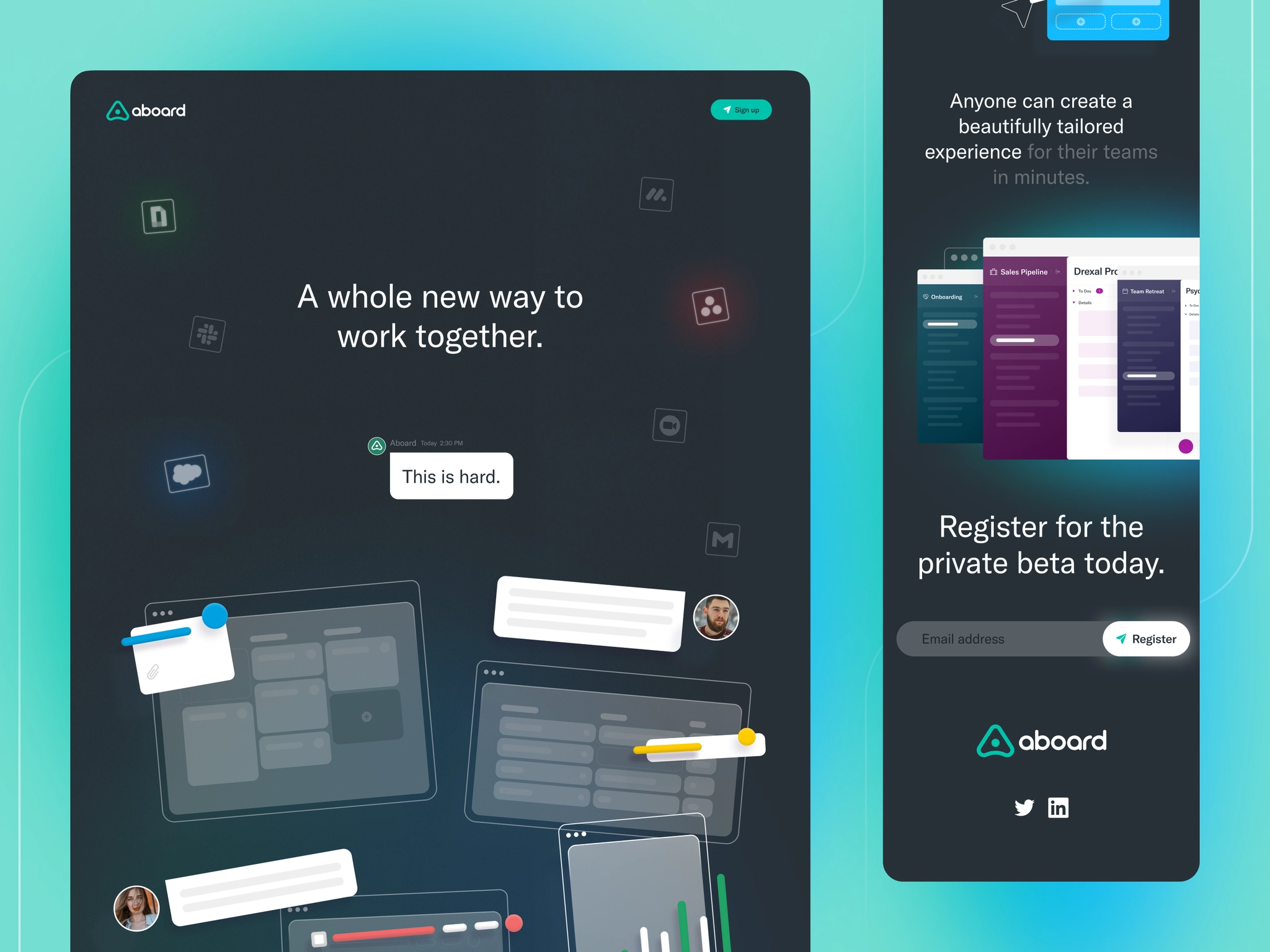
Component-based architecture is the hallmark of agency-quality Webflow work. Every repeating element is a symbol or component that updates site-wide from one place. Navigation, footers, card grids, feature blocks: these aren't copied and pasted manually. When you need to update the footer phone number, you change it once and it propagates everywhere.
An agency that can't explain their component strategy during the sales process probably doesn't have a systematic one.
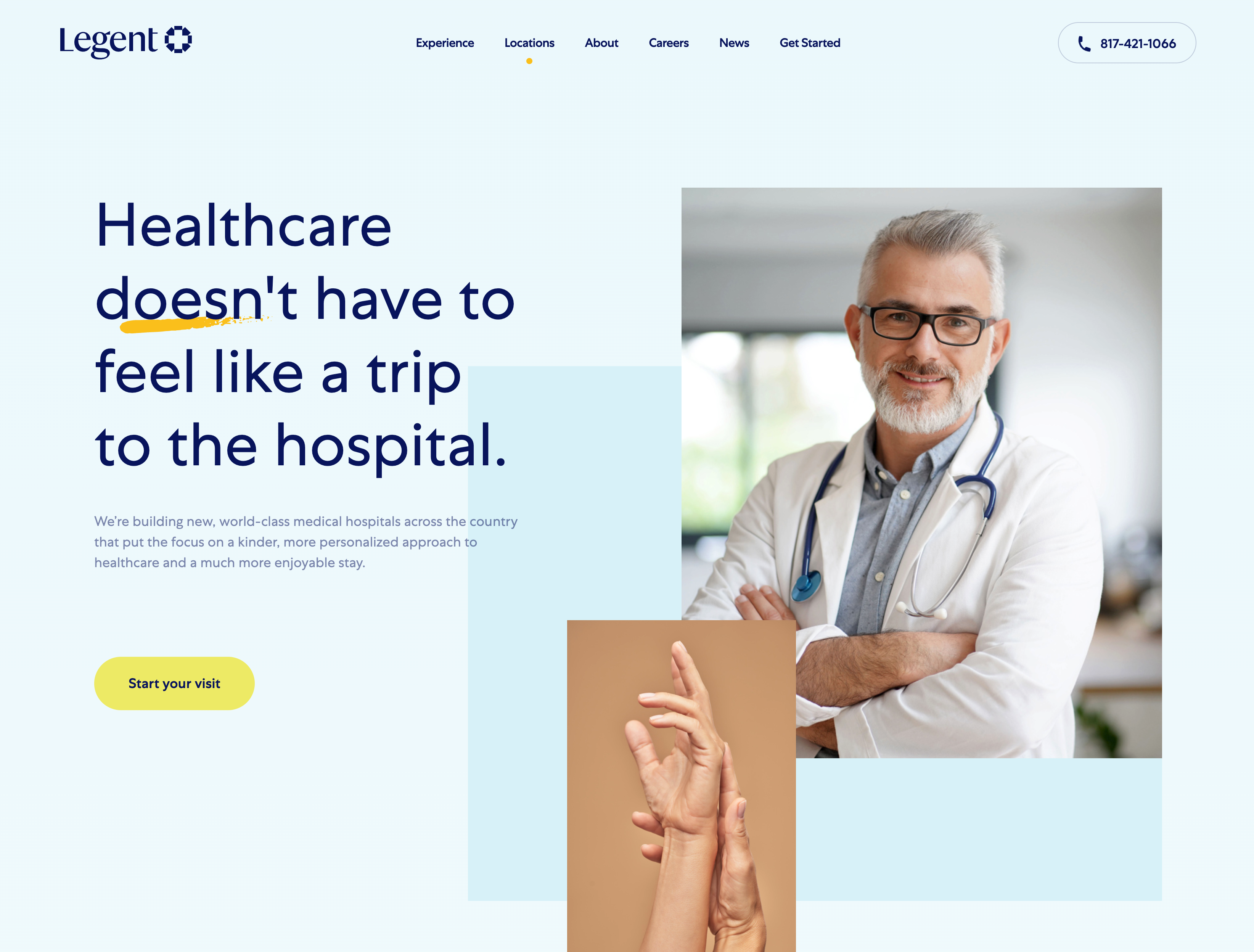
Regulated industries (healthcare, finance, legal) have specific design requirements: accessibility standards, trust signals, data privacy compliance. A strong Webflow agency has experience with these constraints and builds them in from the start, not as retrofits.
Agency engagements vary widely in how they're structured. Here's what a well-run Webflow project engagement typically includes:
Discovery phase (1-2 weeks). Stakeholder interviews, sitemap, technical requirements, CMS architecture planning, and competitor analysis. The output is a project brief and structure doc that both sides sign off on before design starts.
Design phase (2-4 weeks). Wireframes first, then high-fidelity comps in Figma or directly in Webflow. Good agencies build a design system before building pages: typography scale, color variables, component library. This phase should include at least two structured feedback rounds.
Build phase (3-6 weeks). Webflow development with regular preview links for client review. This phase should surface CMS content requirements, form integrations, and any third-party tool connections.
QA and launch phase (1-2 weeks). Cross-browser testing, mobile QA at multiple device sizes, form testing, page speed audit, CMS training, and a documented launch checklist.
Handoff. Recorded walkthrough of the CMS, documentation of custom code, basic style guide, and confirmed transfer of the Webflow project to your account.
Any agency skipping discovery or launching without formal QA is cutting corners that will cost you later. A realistic total timeline for a 20-30 page marketing site is 10-14 weeks from kick-off to launch. Faster timelines are possible but usually involve scope reduction or parallel-tracked phases, not skipped steps.
Hire a team of top level professionals for less money than hiring a single designer. Stupid simple design subscription service to level-up your business!
Looking forward to potentially working with ya ✌️


