Branding
May 21, 2026

Choosing the wrong UX design agency is expensive in all the ways that hurt most: sunk cost, wasted time, and a product that still doesn't work the way users need it to. Choosing the right one accelerates everything.
The problem is that most agencies look similar on the surface. Beautiful portfolios, confident pitch decks, impressive client logos. The real differences are in process, communication, and how they handle the messy middle of a project when assumptions turn out to be wrong.
Here's the framework for sorting out which is which.
Portfolios show finished work. What you actually need to assess is how they got there.
Look for before-and-after evidence. The best case studies show the problem state, the research, the decision points, and the final outcome, not just a polished final screen. If a portfolio is all final screens with no process visible, you're seeing the highlight reel, not the work.
Check for outcome metrics. Did the redesign improve activation? Did the new onboarding flow reduce drop-off? Agencies that measure their work have accountability built into their process. Agencies that don't are optimizing for how things look rather than how they perform.
Look for work in your product category. B2B SaaS dashboard design, consumer app onboarding, and e-commerce checkout each have different conventions, user expectations, and complexity. Experience in your category matters.
Look for evidence of user research. Did they run user interviews? Usability tests? Surveys? Research isn't just box-ticking: it's the difference between designing based on assumptions and designing based on how users actually behave.
What does your discovery process look like? Good agencies spend real time understanding the problem before designing solutions. They should describe a structured approach to stakeholder interviews, user research, and competitive analysis. If they're eager to jump straight to wireframes, that's a signal.
Who will work on my project, specifically? The senior designer who presented may not be the one building. Ask who is assigned to your project and ask to speak with them directly before signing.
How do you handle disagreement on creative direction? This reveals a lot about communication style. The best answer involves a structured feedback process, data-informed decision making, and a clear escalation path. The worst answer is that disagreements don't happen because the client always gets what they ask for. That's not a design partner, that's an order taker.
Can you walk me through a project where the initial direction changed significantly? Every good design engagement involves pivots. How they handled one in the past tells you more about the team than a portfolio does.
What does handoff to engineering look like? Design quality degrades fastest at the design-to-engineering handoff. Ask about their process for specs, asset delivery, and collaboration with developers during build. A vague answer suggests they haven't solved this problem well.
How do you measure success? If the answer is only about approval from the client rather than outcomes for the user or the business, that's a misaligned incentive. Good agencies track what happens after launch.
What's included in your revision process? Understand how many revision rounds are included, what counts as a revision versus a scope change, and how feedback cycles are structured. Ambiguity here creates conflict later.
For defined, bounded product design projects (a full redesign, a new product launch), a UX agency engagement makes sense. You get dedicated focus, structured process, and an accountable deliverable.
For ongoing product design work (new feature design, component library expansion, UX iteration on existing flows, design system maintenance), a design subscription often makes more economic and operational sense. You're not paying agency retainer rates, and you're working with a team that builds continuity with your product over time rather than engaging fresh for each project.
Finding the right agency is half the work. Setting the engagement up correctly is the other half. Most agency relationships that go sideways do so because scope, feedback, and decision authority were unclear from the start.
Define the problem before the scope. Agencies that let you define scope first and problem second tend to produce work that solves the stated scope but misses the actual problem. Push for a discovery phase that defines the problem clearly before committing to deliverables. The scope should follow from the problem, not precede it.
Establish one decision-maker on your side. Design by committee is a recipe for mediocre outcomes. Multiple stakeholders with equal input and no clear tiebreaker produce designs shaped by compromise rather than user needs. Identify one internal person with final decision authority and structure feedback around them.
Set feedback deadlines and stick to them. Agency timelines slip most often because of slow client feedback. If you need three business days to review and respond, say so upfront. If reviews take two weeks, your project timeline doubles. Treat your own feedback cycles as a project management variable, not an assumed given.
The hire-an-agency vs. subscribe-to-a-design-team decision comes down to what you actually need.
A traditional agency engagement is well-suited to bounded projects with clear deliverables: a full product redesign, a new product launch, a complete overhaul of the onboarding experience. These have a defined start, middle, and end. Agency structure fits that shape.
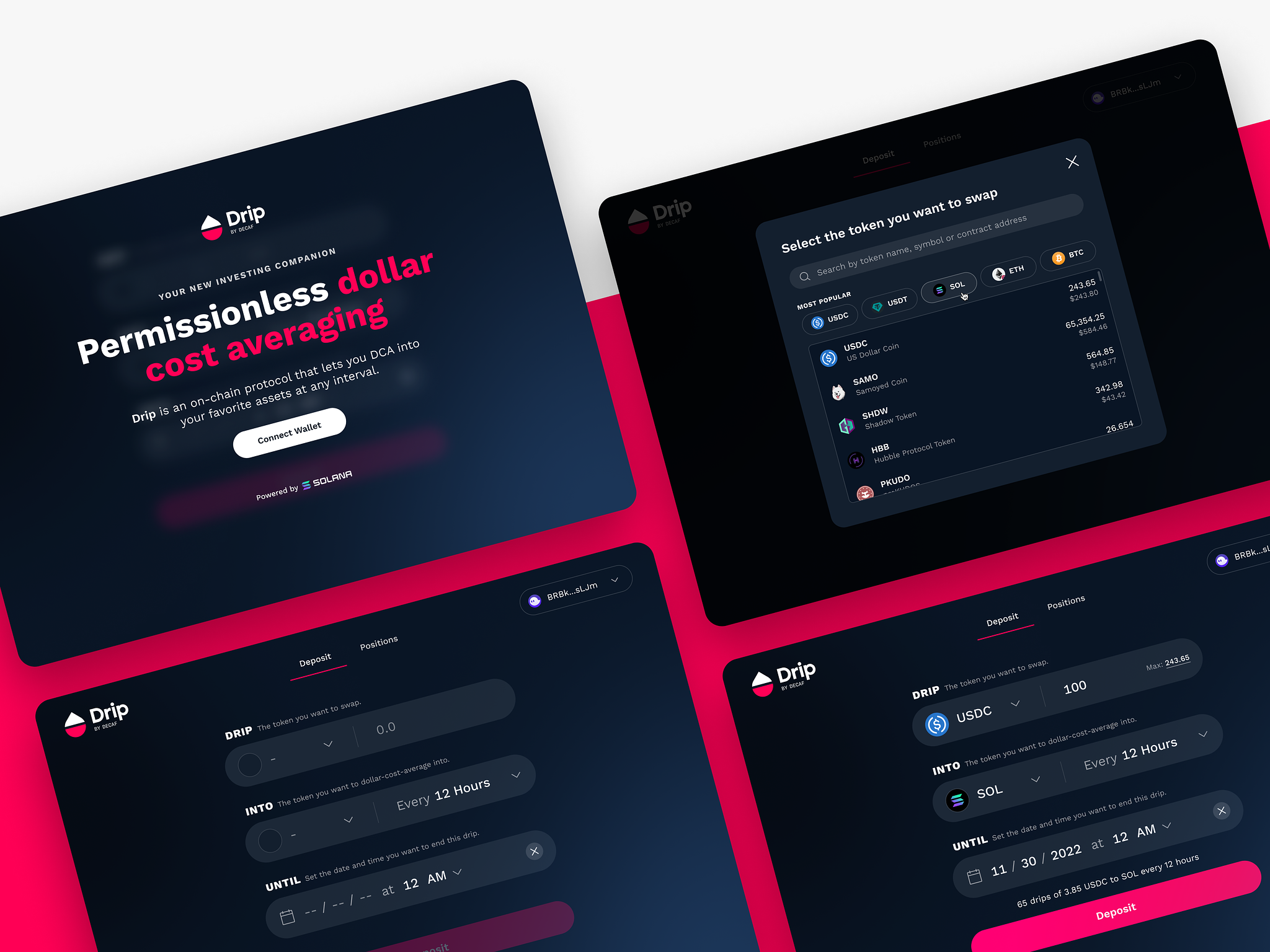
A subscription model fits ongoing design work that doesn't have a natural end: new feature design, component library expansion, landing page iteration, design system maintenance. You're not finishing a project, you're running a continuous design function. Subscription models are more cost-efficient for this pattern because you're not paying for project overhead on every request.
The mistake most startups make is treating all design work as a project when most of their actual needs are ongoing. That leads to repeated agency pitches, repeated ramp-up costs, and designers who never build real continuity with the product.
References are only useful if you ask the right questions. Generic questions produce polished answers. Pointed questions reveal real experience.
Ask references: what would you have done differently in how you structured the engagement? What was the agency's response when something didn't work the first time? How did the handoff to your engineering team actually go? Would you use them again for ongoing work or only for a defined project?
The answer to "would you use them again" is the most predictive. An agency that clients return to for ongoing work has built real trust. An agency that every client uses once for a bounded project and then moves on from might deliver the project but not the partnership.
Jamm handles ongoing product design work at a flat monthly rate. See our work or start a conversation about how ongoing product design could work for your team.
Hire a team of top level professionals for less money than hiring a single designer. Stupid simple design subscription service to level-up your business!
Looking forward to potentially working with ya ✌️


