Branding
May 21, 2026

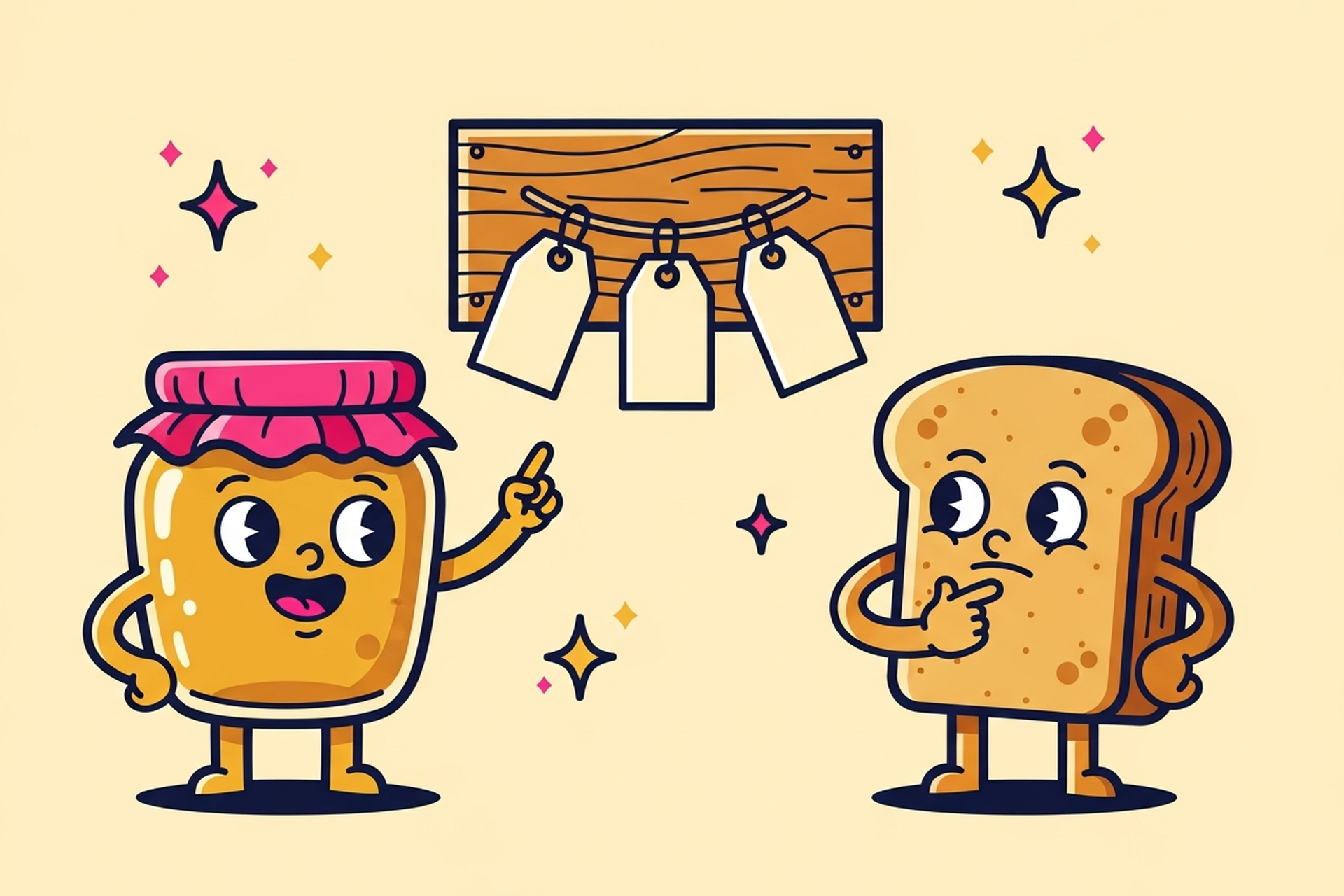
Design pricing is genuinely confusing because three different models operate on completely different logic. Comparing an agency quote to a freelancer rate to a subscription monthly fee is like comparing a restaurant meal to a grocery bill to a meal prep service. They're all food; the economics are completely different.
Here's how design pricing actually works across each model, and what the numbers mean in practice.
Design agencies price on project scope, team seniority, and overhead allocation. When an agency quotes $25,000 for a brand identity project, that rate covers:
Agency rates are high because agencies sell time and expertise at scale. They need to cover people who aren't directly billing (leadership, sales, admin) and maintain margin through peaks and troughs in utilization.
What you get: Structured process, defined deliverables, senior creative direction, and accountability for a specific outcome. You're also paying for the agency's brand name and its ability to take institutional risk on a project.
Where it breaks down: Agency rates make economic sense for large, high-stakes projects where the accountability and process are worth the premium. For ongoing, high-volume work, you're paying project-scoping overhead on every engagement even when the work is routine.
Freelancer rates range from $20/hour to $200+/hour, and the range is meaningful. What you get at $30/hour is categorically different from what you get at $150/hour.
The rate drivers:
Project-based freelance rates for common work in 2026:
What you get: Direct relationship with a specific person whose style and working patterns you can evaluate in advance. Flexibility on scope. No agency overhead.
Where it breaks down: Availability gaps, skills ceiling (a great visual designer isn't necessarily a strong UX designer), and the coordination cost of managing multiple freelancers for different types of work.
Design subscriptions charge a flat monthly rate for ongoing design capacity. The rate structure is different from agencies and freelancers because you're not buying a project or hours — you're buying throughput.
Typical subscription pricing in 2026: $599-$2,500/month depending on scope, speed, and whether motion or product design is included.
What makes this viable for the service provider:
What makes this viable for you:
The economic breakeven is typically around three to four substantial design requests per month. Below that, project-based freelance work may cost less. Above it, a subscription delivers better value per deliverable.
Three things to check in any design quote:
What's actually included. Agency quotes list deliverables precisely — count them. A "brand identity package" that includes one logo file and a one-page style guide is not the same as one that includes a full visual system, guidelines document, and file library.
What revision rounds are included. Two included revision rounds on a complex project means you're paying extra from round three onward. Subscriptions typically include unlimited revisions as a structural feature of the model.
What happens when scope changes. Agencies and freelancers bill change orders. Subscriptions don't — scope changes are just the next request in the queue.

For teams doing ongoing design work at any reasonable volume, a subscription is worth running the math against your current agency or freelancer spend. Book a call to see how Jamm's rate compares to your current model.
To make this concrete: here's how the three models compare for a growth-stage startup producing a realistic monthly design workload.
Assume a typical month includes: 10 social posts, one landing page update, one email template, and two ad creative sets. That's a modest but realistic output for a startup in active marketing mode.
At freelance project rates:
At a mid-market subscription rate ($1,200/month): The same work is covered, plus the overhead costs disappear: no sourcing time, no re-briefing, no change order invoices.
The effective savings are $2,000 or more per month before accounting for the administrative time recaptured. At $75/hour of internal time, even 10 hours of eliminated overhead adds $750/month back to the calculation.
At agency retainer rates ($8,000-$15,000/month): An agency retainer for equivalent ongoing output is 6-10x the cost of a mid-market subscription. The agency premium buys strategic direction, account management, and institutional process — valuable for high-stakes campaign work, less valuable for routine execution.
The lowest quote is rarely the best value. Design is one of the few categories where the quality gap between a $200/month service and a $1,500/month service is immediately visible in the output.
Good value means the right model for your usage pattern at the right quality level for your brand's stage. For a pre-seed startup with one or two design requests per quarter, a cheap freelancer on a per-project basis is genuinely good value. For a Series B company running continuous marketing and product design, paying per-project rates is expensive and slow.
The other dimension is total cost, not quoted price. An agency project quoted at $10,000 that requires three rounds of change orders and two months of internal management time may cost $15,000 all-in. A subscription at $1,500/month that produces the same output without the overhead is $18,000 per year but with radically lower friction and substantially higher throughput. For most teams at consistent volume, friction cost is as real as dollar cost.
Hire a team of top level professionals for less money than hiring a single designer. Stupid simple design subscription service to level-up your business!
Looking forward to potentially working with ya ✌️


