Branding
May 21, 2026

Hiring a product design agency is a significant decision, and the stakes are high on both sides: too much money on a bad fit, or a missed opportunity to ship a product that users actually love. The good news is that most agencies reveal their quality before you sign if you know what to look for.
This is the complete guide, from building your shortlist through signing a contract.
Before evaluating agencies, get clear on what you're buying. A product design agency typically handles:
Some agencies also include research, strategy, or copywriting. Some are pure design execution. Know which you need before you start comparing.
Don't start with a Google search and a spreadsheet. Start with your actual needs.
Define your scope first. Are you building from scratch (MVP), redesigning an existing product, or adding features to an established system? Each requires a different agency profile.
Get referrals from founders in similar companies. Second-hand experience from someone who hired for the same type of project is worth more than any portfolio review. Ask what they'd do differently.
Look at agency specialization. A B2B SaaS design agency has different expertise than a consumer app studio or an enterprise software design firm. Category-specific experience matters: they know the conventions, the user expectations, and the edge cases specific to your space.
A shortlist of 3-5 agencies is workable. More than that creates decision fatigue without meaningfully better outcomes.
Look past the screenshots. Beautiful final screens don't tell you how the agency performs under real project conditions. Ask for case studies that include the problem definition, the research approach, the key decision points, and the outcome. The story behind the work reveals the process quality.
Check for measurable outcomes. Did the redesign improve activation? Reduce support tickets? Increase trial-to-paid conversion? Agencies that measure impact have a different relationship with their work than those who optimize for portfolio aesthetics.
Look for work complexity that matches yours. If your product has complex multi-step workflows, permission systems, or data-heavy interfaces, check that the portfolio includes comparable complexity. Simple marketing sites and complex SaaS dashboards require genuinely different skills.
Assess their accessibility and performance record. Both are baseline requirements in 2026, not optional extras. Any serious product design agency builds accessible, performant interfaces by default.
Walk me through your discovery process for a recent project. This reveals whether they actually research before designing or whether discovery is a checkbox they perform to justify the fee.
Who specifically works on my project? Senior partners pitch, junior designers build. Find out who's actually on your project and meet them before signing.
How do you handle conflicting feedback from multiple stakeholders? Stakeholder management is a core agency skill. If their answer is vague or evasive, you'll experience the consequences in revision cycles.
What happens when a design direction proves wrong post-testing? Good agencies pivot when evidence challenges assumptions. Bad ones defend their original direction.
How do you measure success? Conversion rates, activation, task completion, time-on-task. If success is purely "client happy with design," that's a misaligned incentive.
What does your design-to-engineering handoff look like? Handoff is where quality degrades in most projects. Ask specifically about component specs, design token documentation, and how they collaborate with engineering during build.
Product design agency pricing varies widely:
Get a scope of work that specifies deliverables, revision rounds, timeline milestones, and the precise definition of "done" for each phase. Ambiguous scope is where cost overruns happen.
A full agency engagement makes sense for bounded, high-stakes projects: a complete redesign, a new product launch, a major feature addition. For these, the structured process and dedicated team of an agency is worth the premium.
For ongoing product design (feature design, design system expansion, UX iteration, component library maintenance), an agency retainer is often more expensive and less efficient than a design subscription. You're paying for overhead that doesn't benefit ongoing work.
The quality of what a product design agency delivers is heavily shaped by the quality of the brief you give them. Vague briefs produce work that looks fine but doesn't solve the real problem. Specific briefs produce work that's targeted, testable, and improvable. For a template and step-by-step process, see how to write a design brief that gets better work.
Start with the user behavior you're trying to change. Not "improve the settings page" but "users who reach the settings page are abandoning the integration setup flow at the point where they need to enter an API key. We need to reduce abandonment here." One is an aesthetic goal. The other is a product outcome with a measurable baseline.
Describe the user, not just the feature. Include who is encountering this screen, what they know about your product, what they were trying to accomplish, and where they came from. The design solution for a technical user and a non-technical one doing the same task can look quite different.
Specify success criteria before design starts. If the brief ends with "we'll know it's good when it looks better," you don't have success criteria. If it ends with "we'll validate via usability testing with 5 users who complete the task without assistance," you do. The second brief produces accountable work. The first produces subjective feedback cycles.
Most agency engagements go sideways not because of bad design but because of poor engagement management. Feedback cycles that stretch to weeks, stakeholders who add scope mid-project, and decisions that get reversed after implementation all create cost and delay that falls on both sides.
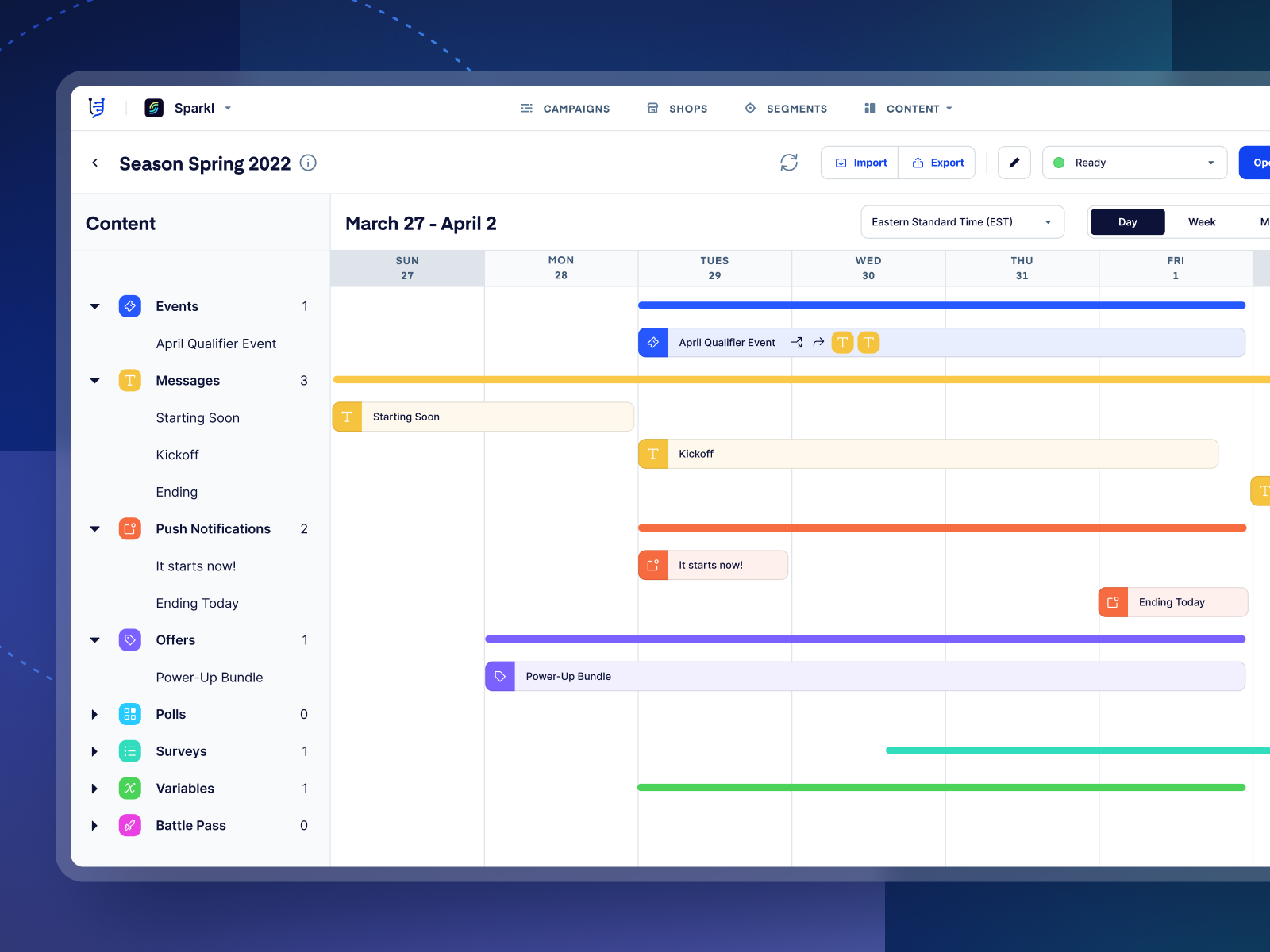
Set up a regular cadence for design reviews from day one. Weekly sync or structured async feedback with a 48-hour response commitment on your side. When reviews happen on a schedule, work doesn't stall waiting for input. When feedback is structured (annotated on the Figma file rather than in a stream-of-consciousness email), designers can act on it without a back-and-forth clarification cycle.
Track decisions made in each review. A shared decision log prevents the "I thought we agreed to..." conversations that kill momentum in longer engagements. When the record of what was decided and why is available, pivots are cleaner and scope creep is easier to identify and contain.
One thing most agencies don't discuss in the sales process is what happens after the project ends. Design systems need maintenance. Component libraries drift when engineering adds components without design review. New features get built outside the system because no one is governing it.
Before you sign, clarify how the agency intends to support system maintenance after delivery, what the handoff documentation looks like, and whether they offer ongoing support at a lower engagement level for product teams that don't need full-time design work between projects. Agencies that think about post-engagement support have a different relationship with their work than those that move on once the invoice is paid.
Jamm's subscription model handles ongoing product design at a flat monthly rate. Senior designers learn your product and system, then work through requests sequentially. See our product work or book a call to see if it fits your needs.
Hire a team of top level professionals for less money than hiring a single designer. Stupid simple design subscription service to level-up your business!
Looking forward to potentially working with ya ✌️


