Branding
May 21, 2026

Investor attention on a pitch deck has gotten shorter, not longer. In 2026, many VCs report spending under two minutes on initial deck review. In that window, design isn't decoration — it's the first signal about founder judgment, attention to detail, and the quality of the company.
Here's what investors actually notice, and where founders most often leave credibility on the table.
Before an investor reads your problem statement or your market size, they see the overall visual quality of the deck. This impression forms in under three seconds and sets the context for everything that follows.
What they're reading from the visual design:
None of this requires expensive design work. It requires consistency, restraint, and care.
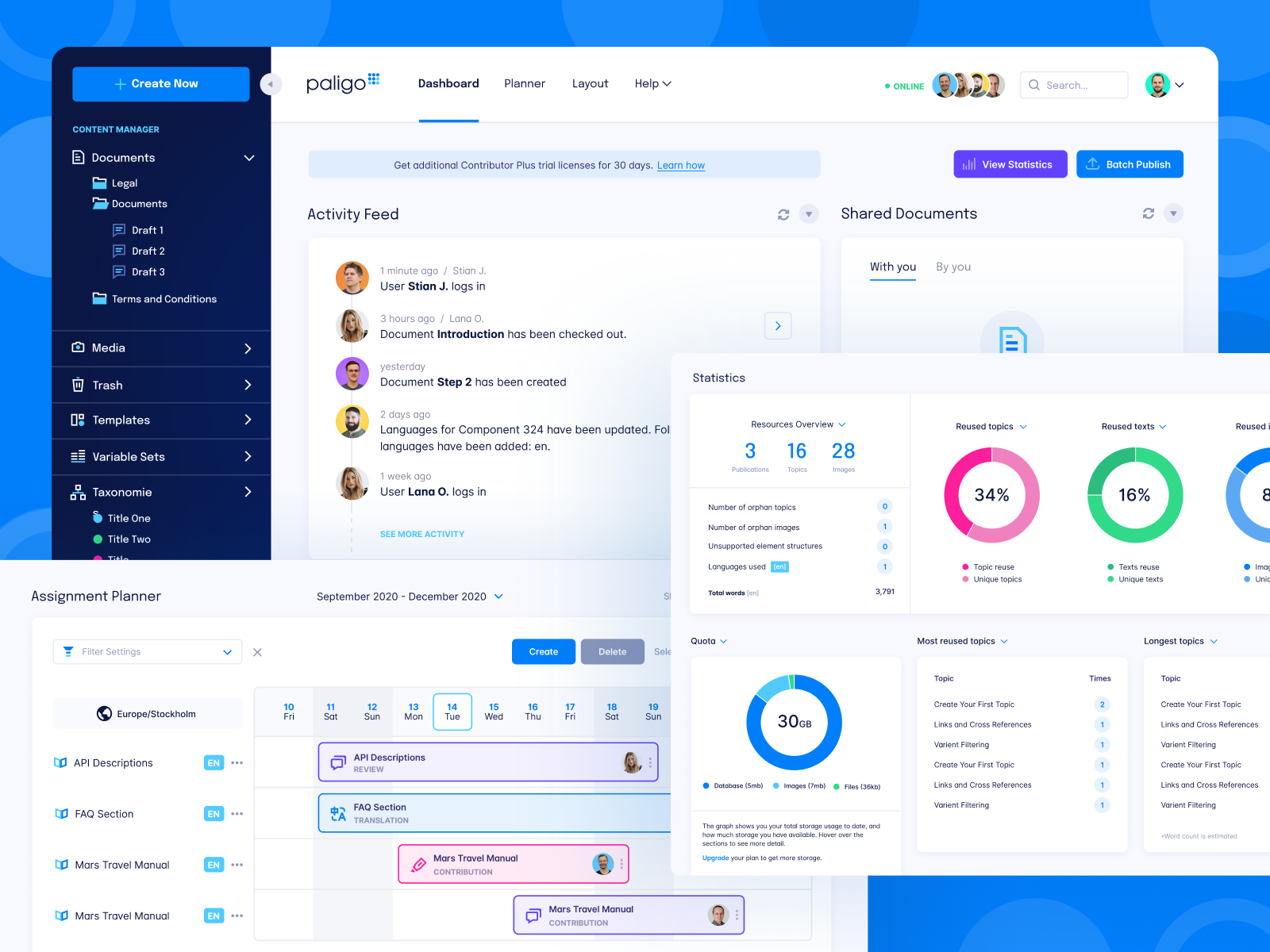
Consistent type hierarchy. Your headline size, subheadline size, body copy, and data labels should be the same throughout the deck. If you use 36px headlines on slide 3 and 28px headlines on slide 7, investors don't consciously notice — but the deck feels unpolished.
Aligned grids. Every text box, chart, and image should snap to the same underlying grid. Decks that look "almost right" are often decks where elements are close to aligned but not quite. This creates visual noise that makes it harder to process the content.
Intentional color usage. Pick 2-3 colors and use them consistently for specific purposes: brand color for emphasis, a neutral for background, black for body text. When every slide uses a different accent color or every chart has a different palette, there's no visual hierarchy — just noise.
Legible data visualization. 2026 investors want to see unit economics, growth rates, CAC payback, and NDR. When these are presented as complex tables or cluttered charts, the data story gets lost. Simple charts with clear callouts and minimal labels communicate more effectively than comprehensive spreadsheet exports.
Professional iconography. Generic Clipart-style icons or inconsistent icon families (mixing outline icons with filled icons, different stroke weights) make decks look unfinished. A consistent icon library at the right size is a small thing that makes a noticeable difference.
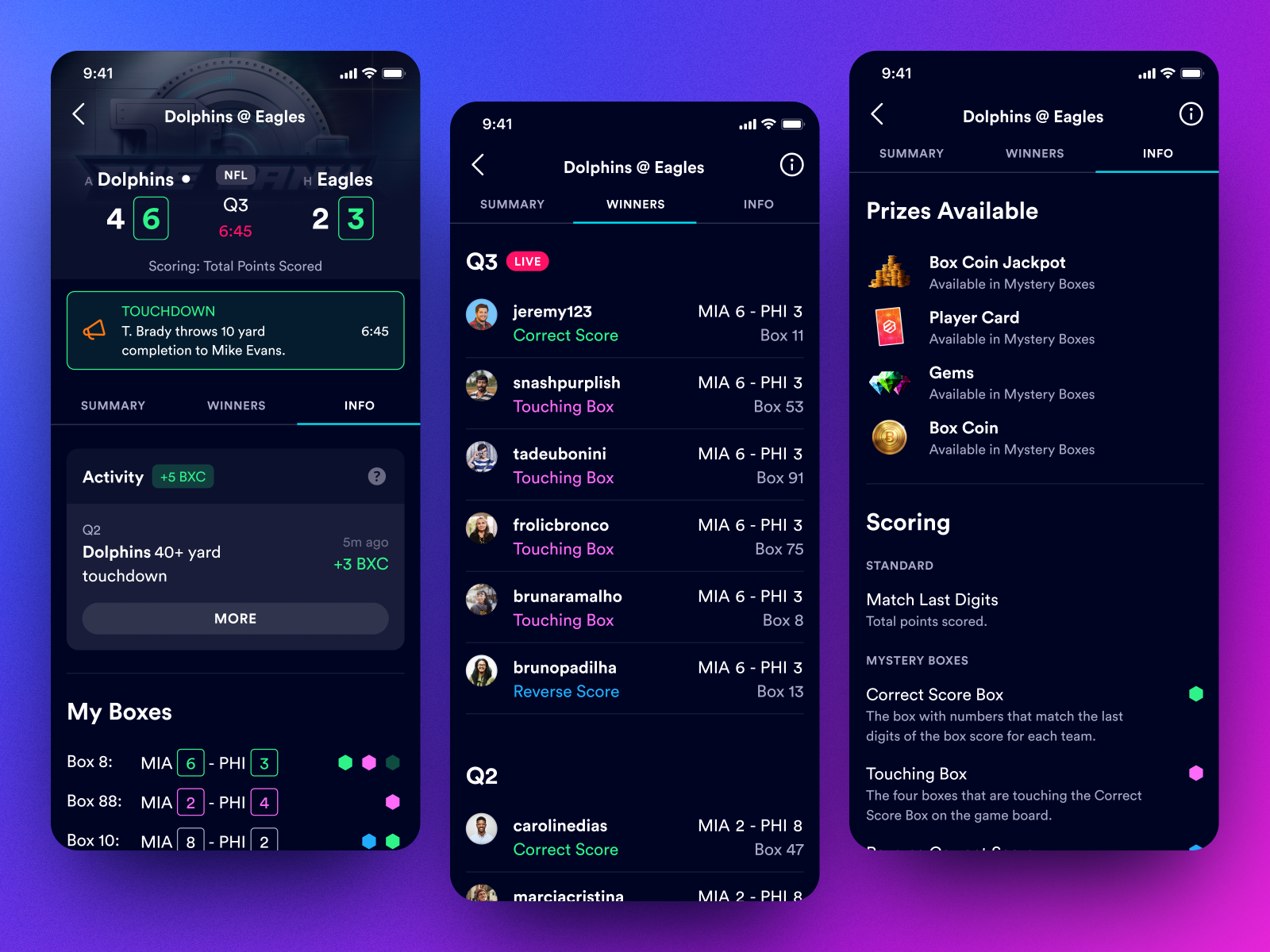
What investors are trying to answer in under two minutes: What is this? Why now? Does it show traction? Is the team credible?
This means your first three slides are doing the heaviest visual lifting. They need to be exceptionally clean and scannable — the deck equivalent of a great executive summary. If slide 1 is your logo and company name and nothing else, that's a missed opportunity. The title slide can carry the one-line value proposition and give investors immediate context.
In 2026, most VCs also expect to see an AI strategy slide — not because every company needs to be an AI company, but because investors want to see that you've thought about how AI affects your competitive position. Whether you're using AI internally, building on AI, or explicitly positioned as human-differentiated, address it.
Unit economics are non-negotiable at Series A and expected even at seed. NDR, CAC payback, and a clear path to the Rule of 40 (growth rate + profit margin exceeding 40%) are the numbers sophisticated investors filter against. Design these slides with clarity as the goal — the number should be the headline, not buried in a table.
Don't let the design fight the narrative. The most common pitch deck design mistake is visual elements that draw attention without adding meaning. Decorative backgrounds, gradient fills, stock photography of "business teams," and animated transitions all compete for attention with the content.
Don't use animation to hide thin content. Slides that rely on builds and animations to feel dynamic are usually slides that wouldn't hold up as static images. Investors reviewing your deck as a PDF attachment (which most do) will see all elements at once. Design for the static version.
Don't design yourself into a corner with templates. Generic startup pitch deck templates make decks look like everyone else's. Templates can be a useful starting point, but if the investor can recognize the template, it's not doing differentiation work.
Don't send a deck that isn't designed. A deck built purely in Google Slides default formatting is a first-impression penalty. It's not disqualifying on its own, but it sets a lower baseline that your content has to overcome.
For pre-seed and seed rounds: a well-designed founder-built deck can absolutely work. Get the layout clean, the hierarchy consistent, and the color restrained. Spend time on the content, not the embellishment.
For Series A and beyond: professional pitch deck design pays for itself in credibility and efficiency. The deck is going to many more investors, it's being reviewed by more skeptical audiences, and the amounts at stake justify the investment. A pitch deck design subscription or a dedicated pitch deck agency both work here — the goal is a deck that doesn't let design be the thing that undermines a strong story.
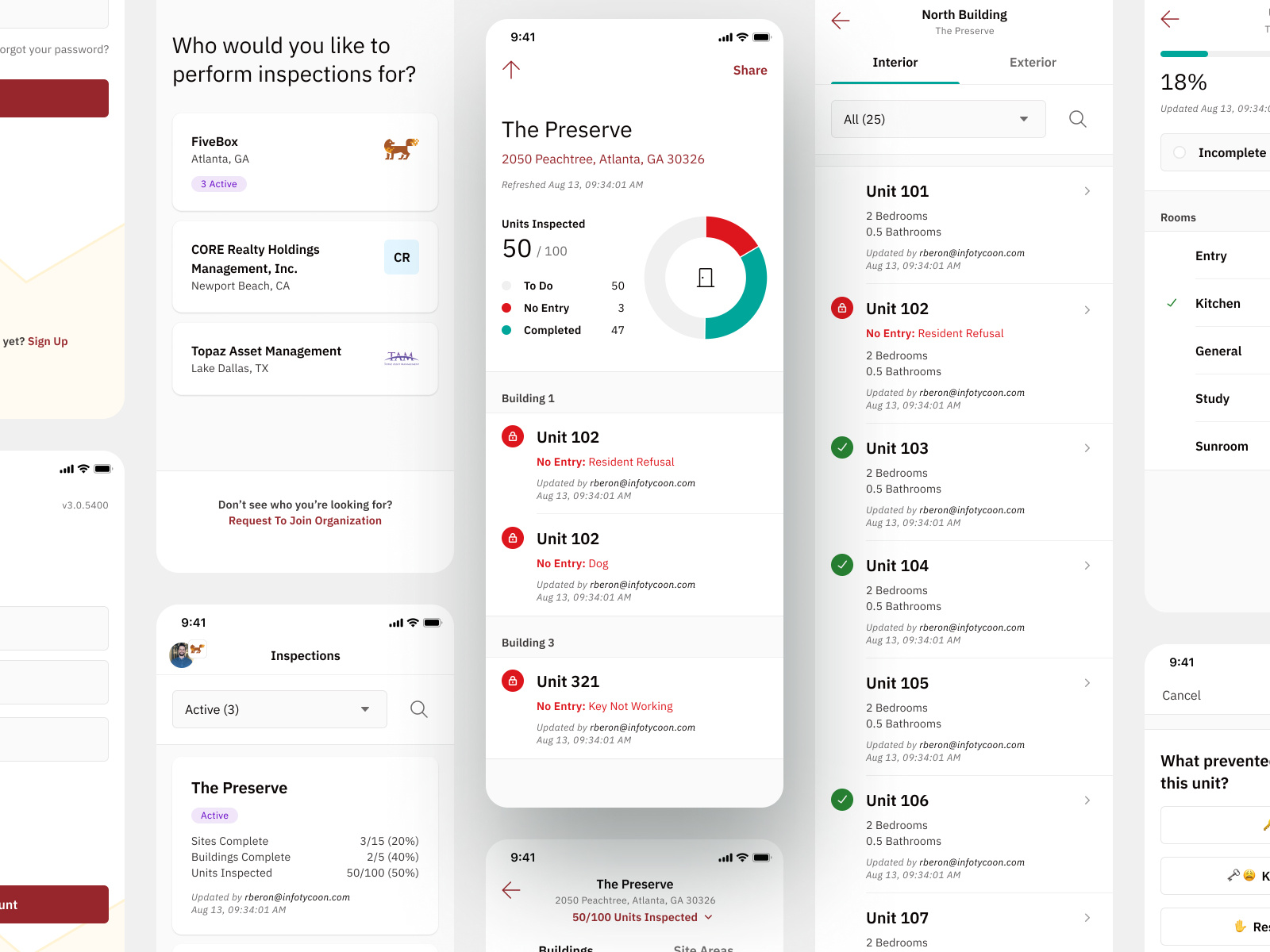
Jamm designs pitch decks as part of a design subscription. See our pitch deck work or book a call before your next round opens.
Not all slides carry equal weight in an initial review. Understanding which slides get the most scrutiny helps you focus the design investment appropriately.
The title slide and the first content slide set the quality bar for everything that follows. If these two slides look polished, investors carry an assumption of quality into the rest of the deck. If they look rough, investors carry the opposite assumption — and that assumption creates drag on every slide after it.
The traction slide is the most closely scrutinized at seed and Series A. This is where investors try to understand whether the business is working, so it receives extended attention. A traction slide that presents data clearly — with a readable chart, a well-labeled axis, and one clean callout headline that states the story — is doing exactly what it needs to do. A traction slide that buries the data in a dense table or requires mental arithmetic to interpret the trend is working against you.
The team slide matters more than founders often expect. Investors are betting on people, and a poorly designed team slide (tiny headshots, inconsistent formatting, cramped text) undersells the quality of the team. Invest in good headshots and consistent formatting here.
The ask slide closes the deck and frames what happens next. It should be the cleanest, simplest slide in the deck: the raise amount, what you'll use it for, and what milestones it funds. Some founders over-design this slide; restraint is the right call here.
A pitch deck is never finished. It evolves through the fundraising process as investor feedback surfaces new objections, market conditions change, and traction numbers update.
The average founder revises a pitch deck six to ten times between the first draft and a closed round. Some of those revisions are small (updating ARR numbers, adding a new customer logo). Others are structural: repositioning the narrative, adding an AI strategy slide, redesigning the unit economics visualization based on investor feedback.
For this reason, the design setup matters as much as the initial design quality. A deck designed in a format you can't easily edit yourself (a static PDF, a locked template) creates a bottleneck every time the numbers change or the story shifts. Working in an editable format — Keynote, Google Slides, or an editable Figma file with slides — keeps you in control of the iteration cycle. If you're working with a designer, confirm you receive source files, not just exports.
Hire a team of top level professionals for less money than hiring a single designer. Stupid simple design subscription service to level-up your business!
Looking forward to potentially working with ya ✌️


