Branding
May 21, 2026

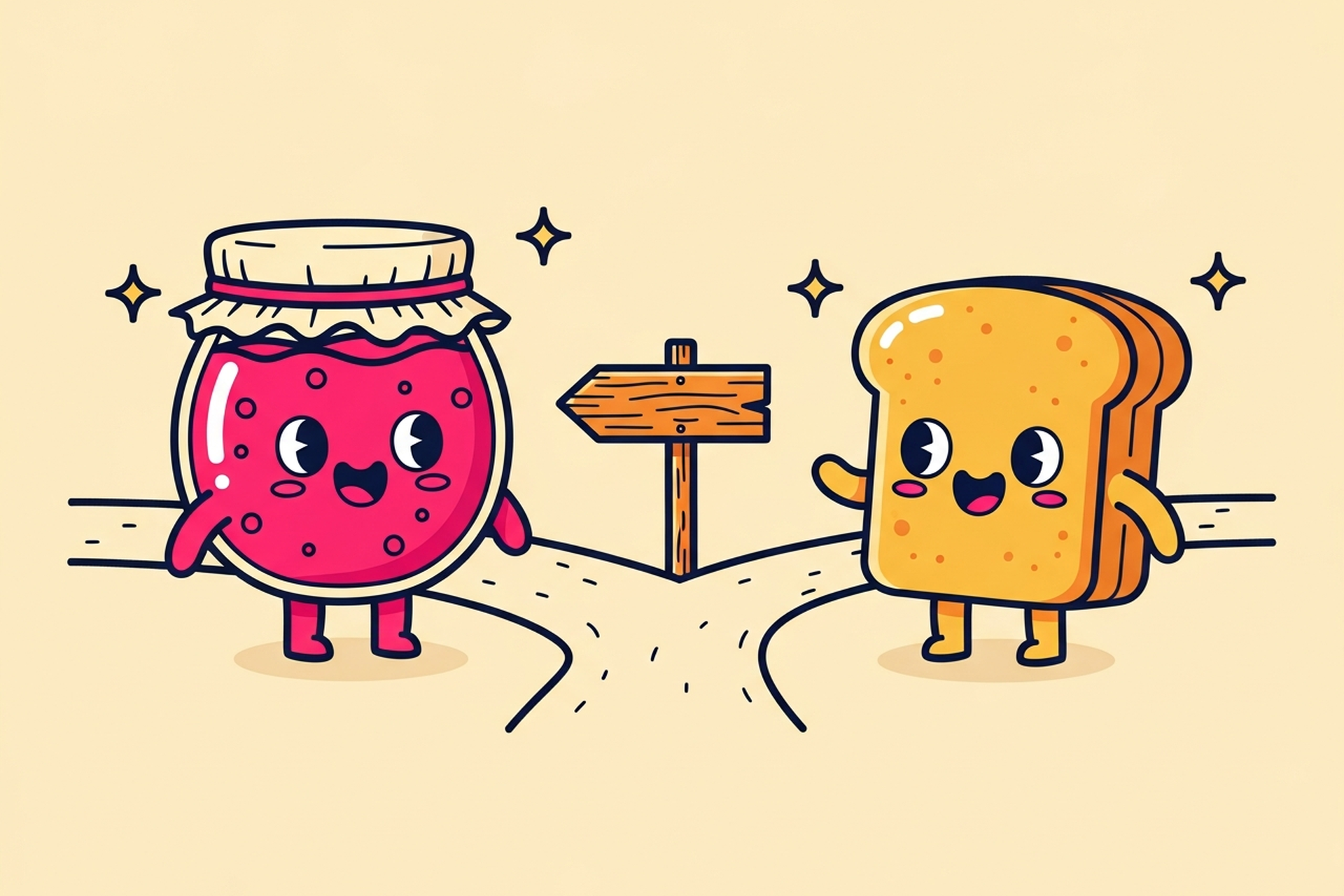
Neither freelance designers nor design subscriptions are universally better. They're built for different situations, and companies that pick the wrong one for their context spend money inefficiently or get the wrong type of output.
This is the honest comparison — what each model is actually good at, where each breaks down, and how to read your own situation to pick the right one.
A freelance designer is an independent professional hired on a per-project or retainer basis. You're hiring a specific person with a specific style and skill set, engaging them for defined work, and compensating them at their market rate.
The relationship is direct. There's no account manager between you and the designer. You can evaluate their portfolio, speak with them before engaging, and build a working relationship over time if you work with them repeatedly.
Freelance project pricing in 2026:
A design subscription charges a flat monthly rate for ongoing design capacity. You submit requests as needed, and a dedicated designer works through your queue. One active request at a time — first draft typically within 24-48 hours, unlimited revisions included.
Subscription pricing in 2026: $599-$2,500/month depending on scope and speed.
You're not hiring a specific person in the way you hire a freelancer. You're engaging a service with a dedicated designer assigned to your account. The designer is vetted by the service; you're trusting the service's vetting.
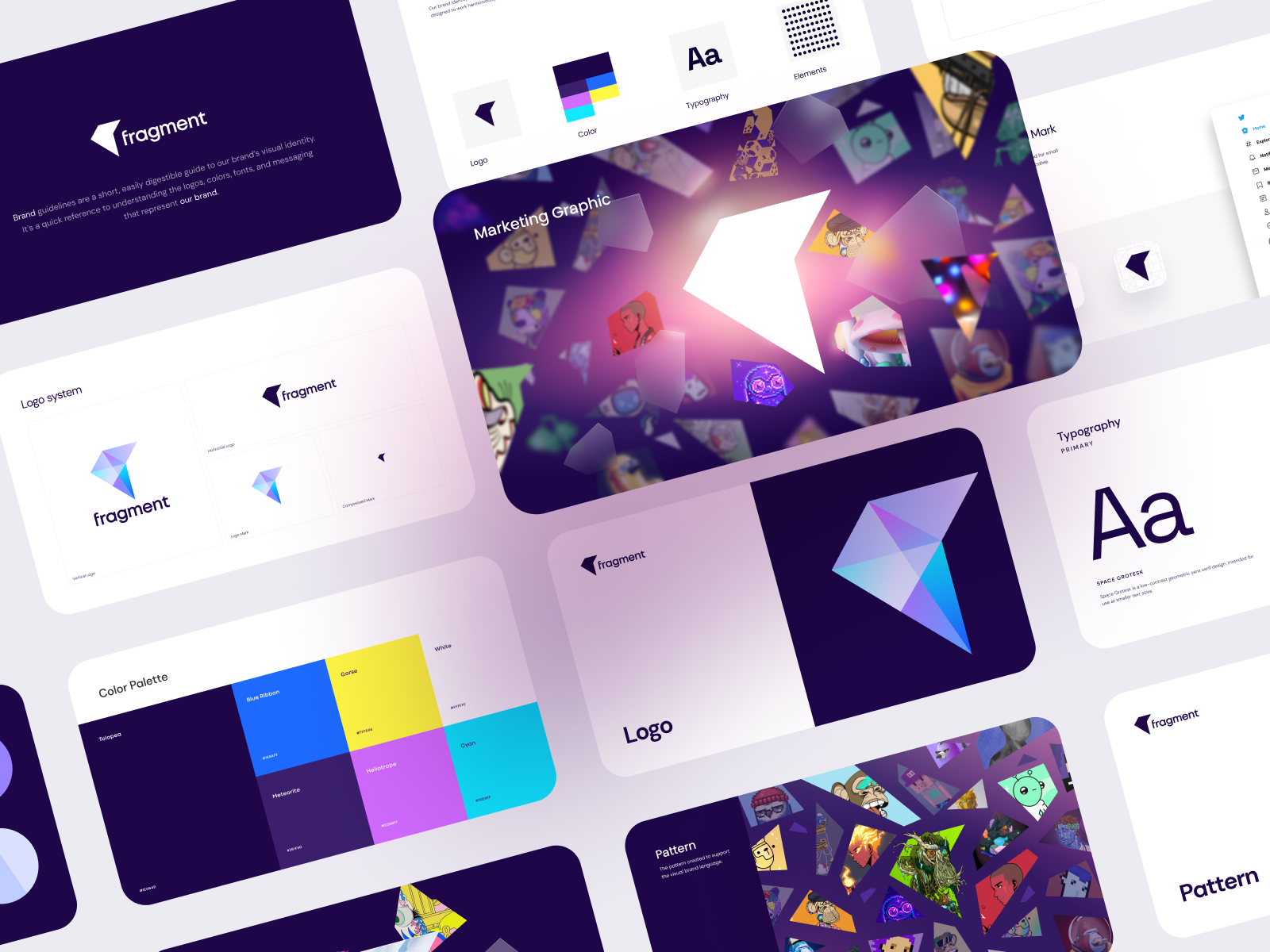
For one-off, high-stakes creative projects. A brand identity redesign, a major marketing campaign, or a complex UI project benefits from the focused, personal engagement of a senior freelancer. You get direct creative partnership and someone who's invested in the specific outcome of your project.
When the specialization matters. If you need a specialist — a particular illustration style, deep fintech UI experience, or editorial design expertise — a freelance specialist may be the only way to get exactly the right person for the work.
When your design needs are infrequent. If you have one or two meaningful design projects per quarter, paying a monthly subscription rate for capacity you're mostly not using is inefficient. Per-project pricing is more economical at low volume.
When you want to own the relationship. Building a long-term relationship with a specific freelancer creates genuine brand continuity. If you find a designer whose aesthetic aligns with yours, that partnership can be more valuable than a service arrangement.
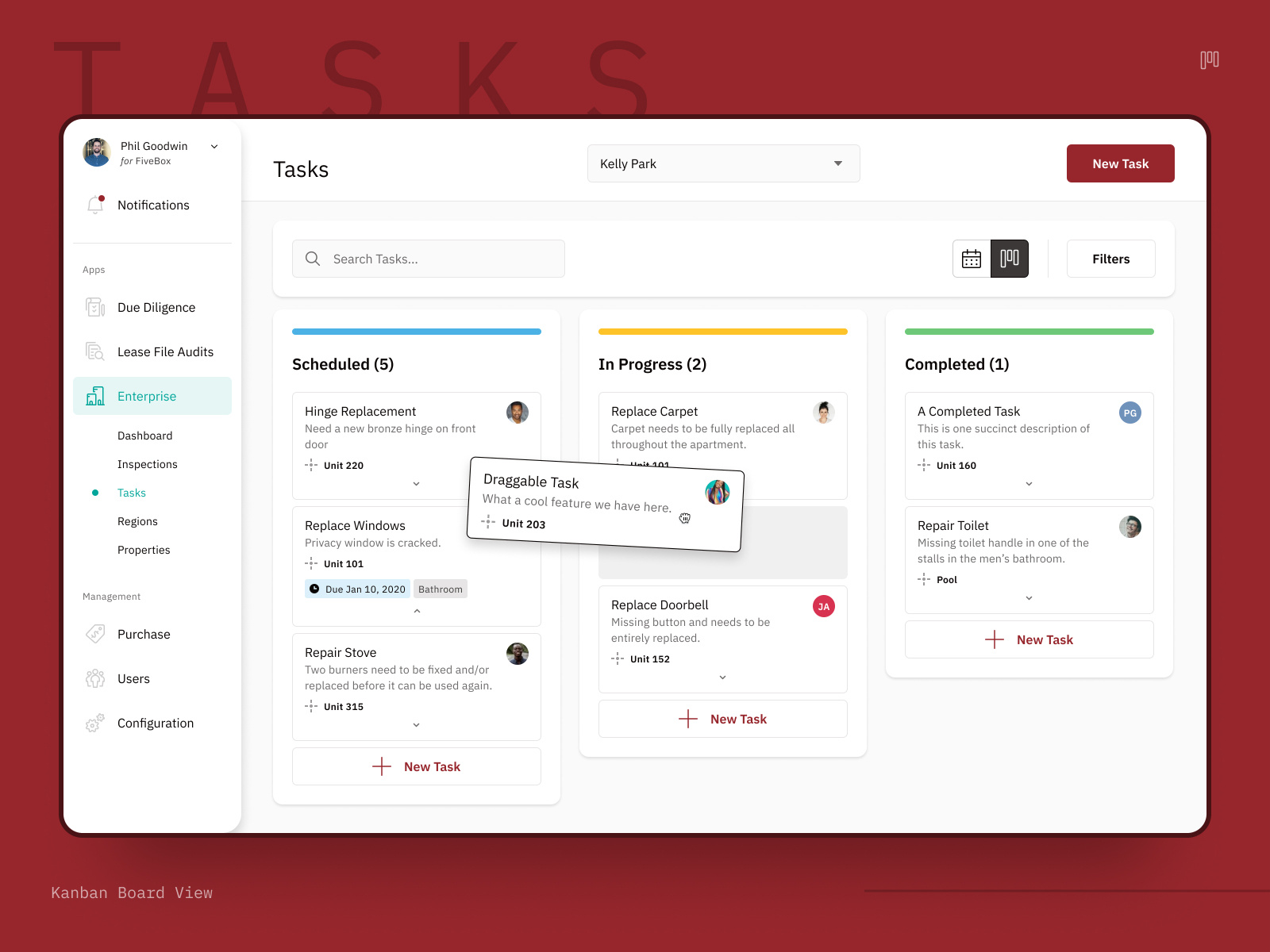
For ongoing, high-volume work. Social media graphics, email templates, landing page variants, ad creative, pitch deck updates — this volume of work overwhelms a per-project model. The administrative overhead of quoting, contracting, and invoicing every batch of requests is significant. A subscription eliminates it.
When predictability matters more than per-deliverable cost. A subscription turns design spend into a fixed operating cost. No surprise invoices when a project runs long. No renegotiation when you add scope. That predictability has real value for teams managing budgets tightly.
When output consistency is more important than creative variety. A freelancer working on one project at a time may approach each engagement fresh. A subscription designer builds deep familiarity with your brand over time, which makes routine work faster and more consistent.
When you need fast throughput on standard work. 24-48 hour turnarounds on a social graphic or a landing page section are only possible in a service model with committed throughput. Most freelancers can't guarantee that window reliably.
For a team submitting 10-15 design requests per month, the math typically resolves in favor of a subscription:
At low volume (2-3 requests per month), freelance project rates are more economical.
The crossover point depends on how complex your requests are. Simple recurring work (social graphics, ad variants) tips the balance toward subscriptions faster than complex work (product UI, brand identity) where freelance specialization and process quality justify higher per-project rates.
Ask two questions:
Execution-focused, high-volume = subscription. Creative-direction-heavy, lower-volume = freelance.
Most companies end up using both: a subscription for the ongoing execution volume, and a freelance specialist or agency for specific strategic projects that need that level of investment.
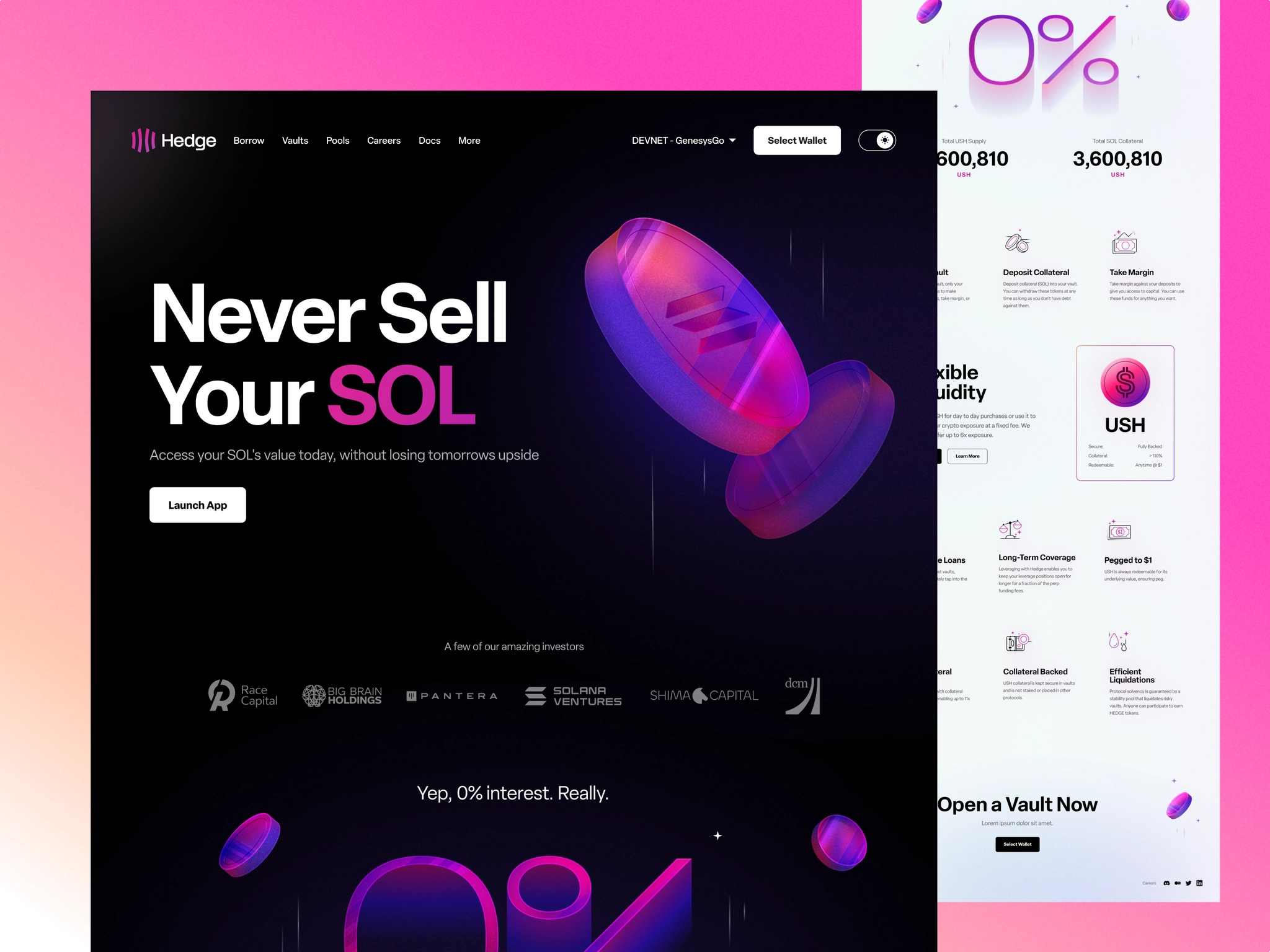
Jamm's subscription covers the execution volume with senior designers who know your brand. See our work or book a call to talk through what the model would look like for your team.
Most companies start with freelancers and evolve toward subscriptions as design volume grows. The transition point isn't always obvious until you're past it. A few specific signals indicate you've outgrown the per-project model.
You're spending more than 5 hours per month managing design vendors. This includes writing briefs, reviewing work, managing invoices, coordinating feedback from multiple stakeholders, and sourcing new designers when your current one isn't available. At $100/hour of your time, 5 hours of overhead per month is $500 in hidden management cost, not reflected on any design invoice.
You're re-explaining your brand every time a project starts. New freelancers need onboarding. If you're briefing a new person every month or two, you're paying a re-briefing cost that never ends. After two or three onboarding cycles in a year, the accumulated time is substantial.
Your design requests are unpredictable but frequent. A fast-moving team that generates new design requests constantly — a new campaign, a new landing page, a new sales asset — can't effectively plan freelance engagements in advance. Subscriptions absorb this unpredictability without requiring a new statement of work for each request.
You've experienced availability problems at bad times. The most experienced freelancers are booked out. When you need work done for a launch, a fundraise, or a campaign deadline and your usual designer is unavailable, you either pay rush premiums or compromise on quality. A subscription removes availability as a variable.
Having a subscription doesn't eliminate every use case for freelancers. A few situations where a specialist freelancer still makes sense even for teams on subscription models.
Deep specialization in a narrow category is the main one. If you need a very specific illustration style, advanced motion graphics, 3D visualization, or a type designer for a custom wordmark, the right specialist may exist only in the freelance market. Most subscriptions don't maintain every specialty at a high level.
High-stakes foundational projects with significant strategic input also benefit from a dedicated freelance engagement. A brand identity redesign where you want a specific designer's creative direction, or a campaign concept where you want a senior creative to own the idea from scratch, is a different kind of engagement than execution-focused subscription work. Both can exist in the same company's design stack at the same time.
Hire a team of top level professionals for less money than hiring a single designer. Stupid simple design subscription service to level-up your business!
Looking forward to potentially working with ya ✌️


