Branding
May 21, 2026

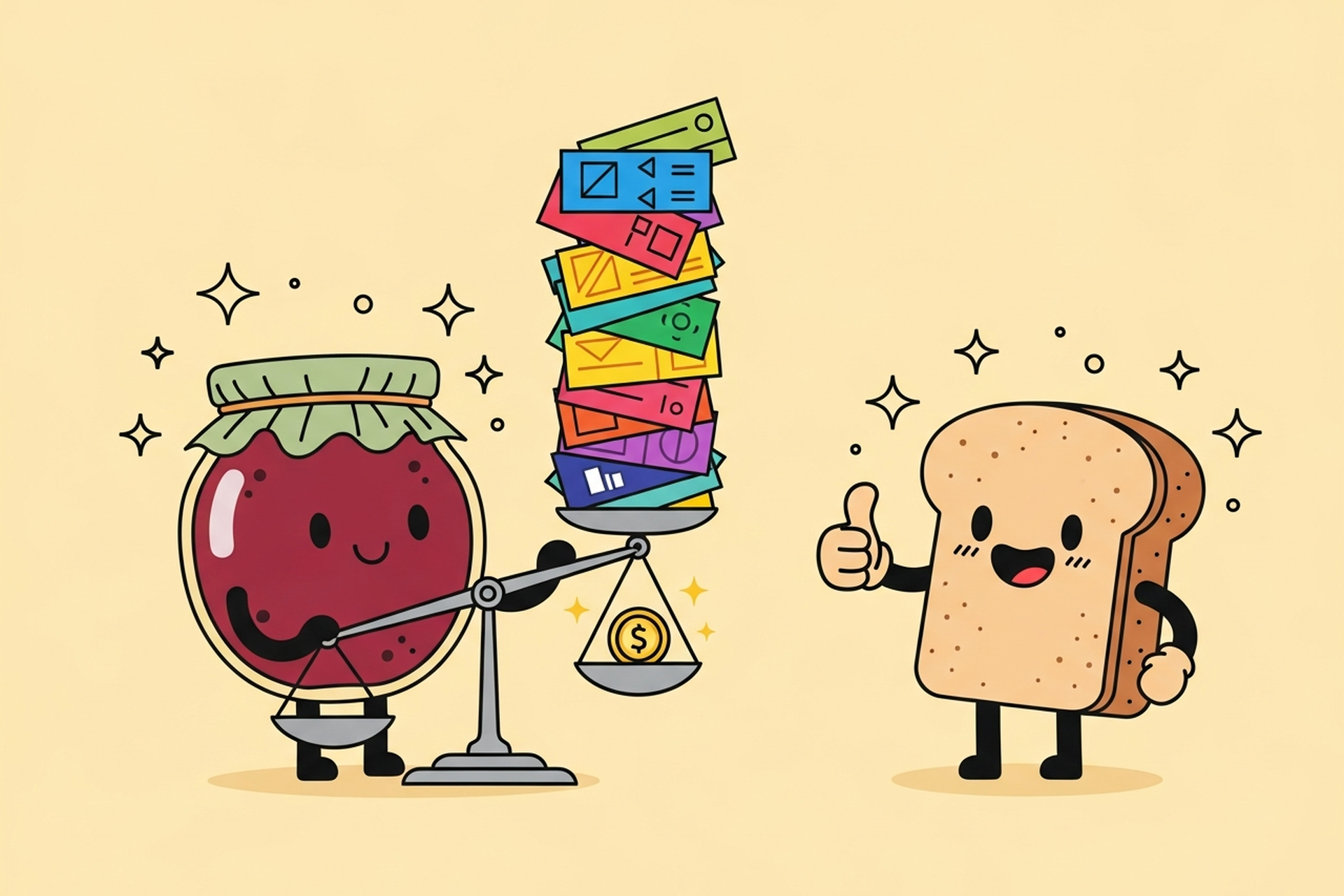
The pitch for flat-rate design services is compelling: pay one monthly fee, get unlimited design work. But "unlimited" promises have a natural skepticism attached. Either you're overpaying for capacity you don't use, or there's a catch that limits what "unlimited" actually means.
Here's the honest assessment: flat-rate design services are worth it for some companies and not for others. The answer depends entirely on how you use them.
A flat-rate service works on sequential throughput. One active request at a time: a brief comes in, the designer completes it, delivers it, and moves to the next request in the queue. "Unlimited" means no cap on the number of requests you can submit — not that 20 projects happen simultaneously.
What you're actually buying:
The first-draft turnaround on a standard request is typically 24-48 hours. Complex work (a full landing page design, a multi-screen product UI section) takes longer and should be planned accordingly.
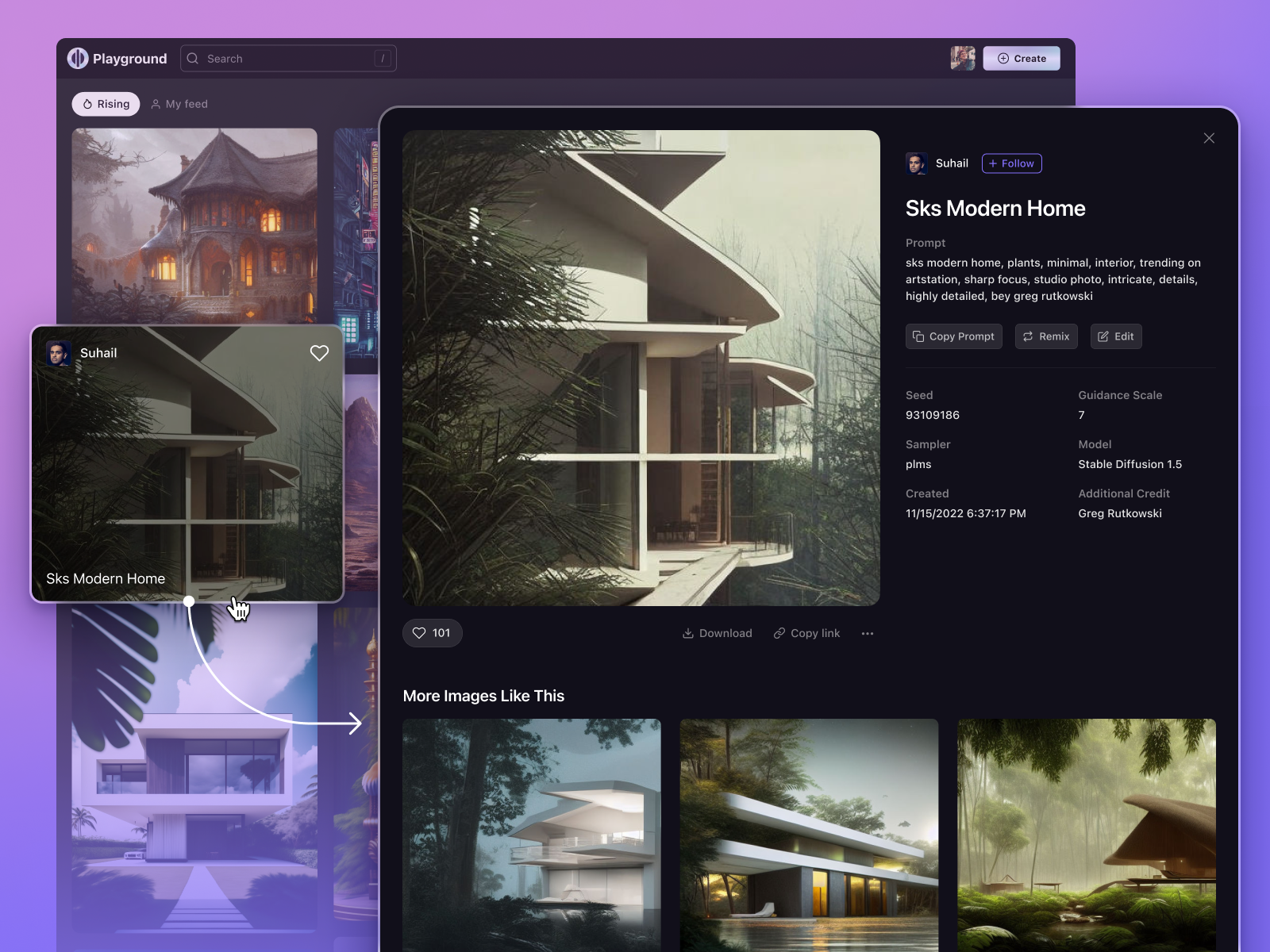
High-volume ongoing work. If your team regularly has 5+ design requests per month — social graphics, landing page variants, ad creative, email templates, pitch deck updates, presentation slides — the subscription model consistently delivers better cost-per-deliverable than per-project billing at comparable quality.
Reduced administrative overhead. The time spent briefing new freelancers, reviewing quotes, managing invoices, and chasing deliverables is real work that a subscription eliminates. The designer already knows your brand; the brief is the brief; the result comes back.
Fast turnaround on standard work. A 24-48 hour turnaround on a social graphic or a landing page section is only possible in a service model with committed throughput. Most freelancers can't guarantee that window reliably for ongoing work.
Accumulated brand knowledge. By month three or four, a designer who has worked on your brand continuously knows your visual system better than a new freelancer ever will from a brief. First drafts get closer to approval faster, revision rounds shorten, and the work gets better over time without your effort increasing.
Parallel project work. If you need five different projects designed simultaneously and delivered by end of week, sequential processing doesn't fit the requirement. A subscription isn't a design agency with a team running parallel tracks.
Highly specialized work. Custom typography design, 3D visualization, brand strategy, and some categories of illustration may be outside the scope of a general design subscription. Confirm scope before subscribing.
One-time strategic projects. A first brand identity creation, a complete website redesign from scratch, or a major campaign concept benefit from structured discovery and senior creative direction — the kind of end-to-end process that a project-based agency engagement provides better than a subscription queue.
Very low volume. If you submit two or three requests per month, the subscription economics are poor compared to per-project freelance rates. Subscriptions are optimized for consistent volume.
Run this calculation for your situation:
How many design requests does your team have per month? What would each request cost at freelance project rates ($200-$600 for a social graphic set, $1,500-$3,000 for a landing page)? What's the comparable subscription rate?
For teams submitting 5+ substantial requests per month, subscriptions consistently win on cost-per-deliverable. For teams submitting 1-2 requests per month, they typically don't.
The break-even for most subscriptions is approximately 4 substantial requests per month. Above that threshold, the subscription saves money and reduces overhead simultaneously.
Jamm operates as a flat-rate design subscription with dedicated senior designers. See our work or book a call to run the comparison against your current design spend.
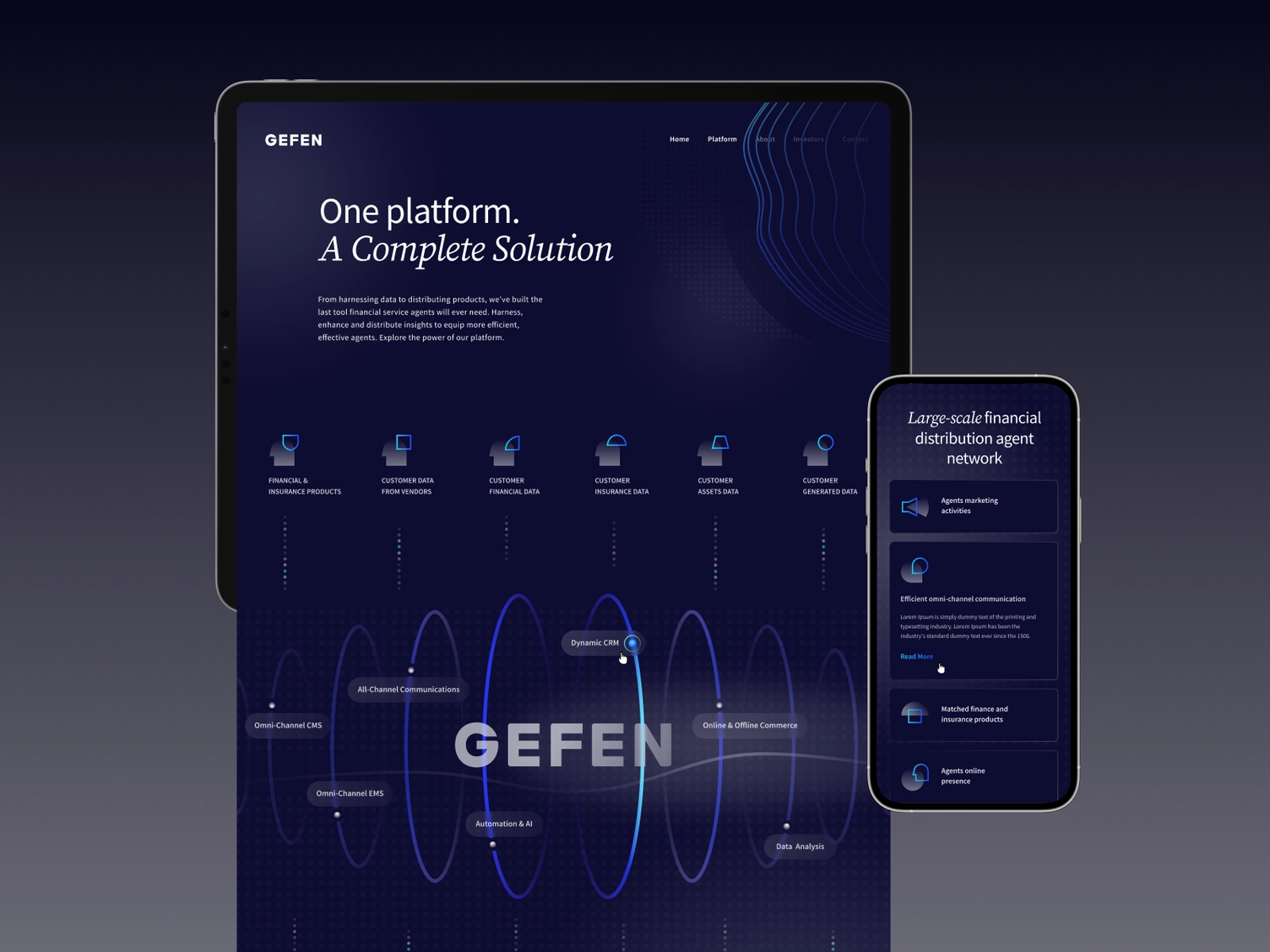
Not all flat-rate services are built the same. Before committing to a monthly fee, ask the service a few specific questions.
What's actually in scope? "Unlimited design" means different things at different services. Some limit scope to social graphics and basic marketing assets. Others cover web design, product UI, pitch decks, motion, and illustration. Get a clear list of what's included and what isn't before you sign up.
Who designs the work? Some services route requests to different designers depending on availability or category. Others assign a dedicated designer who stays on your account. The dedicated model builds brand knowledge faster and produces better consistency over time.
What's the average turnaround for complex requests? The advertised "24-48 hours" usually applies to straightforward requests: a social graphic, a banner, an email header. Ask what the realistic turnaround is for a full landing page or a pitch deck. If the service is evasive about this, that's useful information.
How do revisions work? Most services say "unlimited revisions," which is accurate but incomplete. What matters is how many days a revision cycle takes and whether the revision process adds significant drag on the turnaround. A service that delivers first drafts in 24 hours but takes another 48 hours per revision cycle is effectively a 4-5 day turnaround per deliverable.
Can you pause without penalty? Business needs change. A flat-rate service you can pause during a slow quarter and restart when volume picks up is more flexible than a service with rigid minimums. Ask specifically about pause and cancellation terms before you sign.
A few patterns are worth watching for when evaluating services.
Services that advertise extremely low prices (under $400/month) for "unlimited" design often deliver limited scope, slower turnaround, and lower-quality output. The economics of genuinely good design don't work at $300/month. If the price seems too low, dig into what's actually included.
Services that don't assign a dedicated designer produce less consistent output over time. Each designer who touches your account starts from zero on your brand. The accumulated brand knowledge that makes subscriptions valuable over time disappears when designers rotate.
Services with no clear communication channel or defined process for escalating issues are a red flag. When something goes wrong (and it will, occasionally), knowing who to talk to and how fast they respond matters. Ask about the support process before you're relying on it.
Services that can't show examples of work similar to what you need are also a warning sign. A portfolio of social media templates doesn't tell you much about a service's ability to design a landing page or a pitch deck. Ask for relevant examples at the scope and complexity level you plan to submit.
Hire a team of top level professionals for less money than hiring a single designer. Stupid simple design subscription service to level-up your business!
Looking forward to potentially working with ya ✌️


