Branding
May 21, 2026

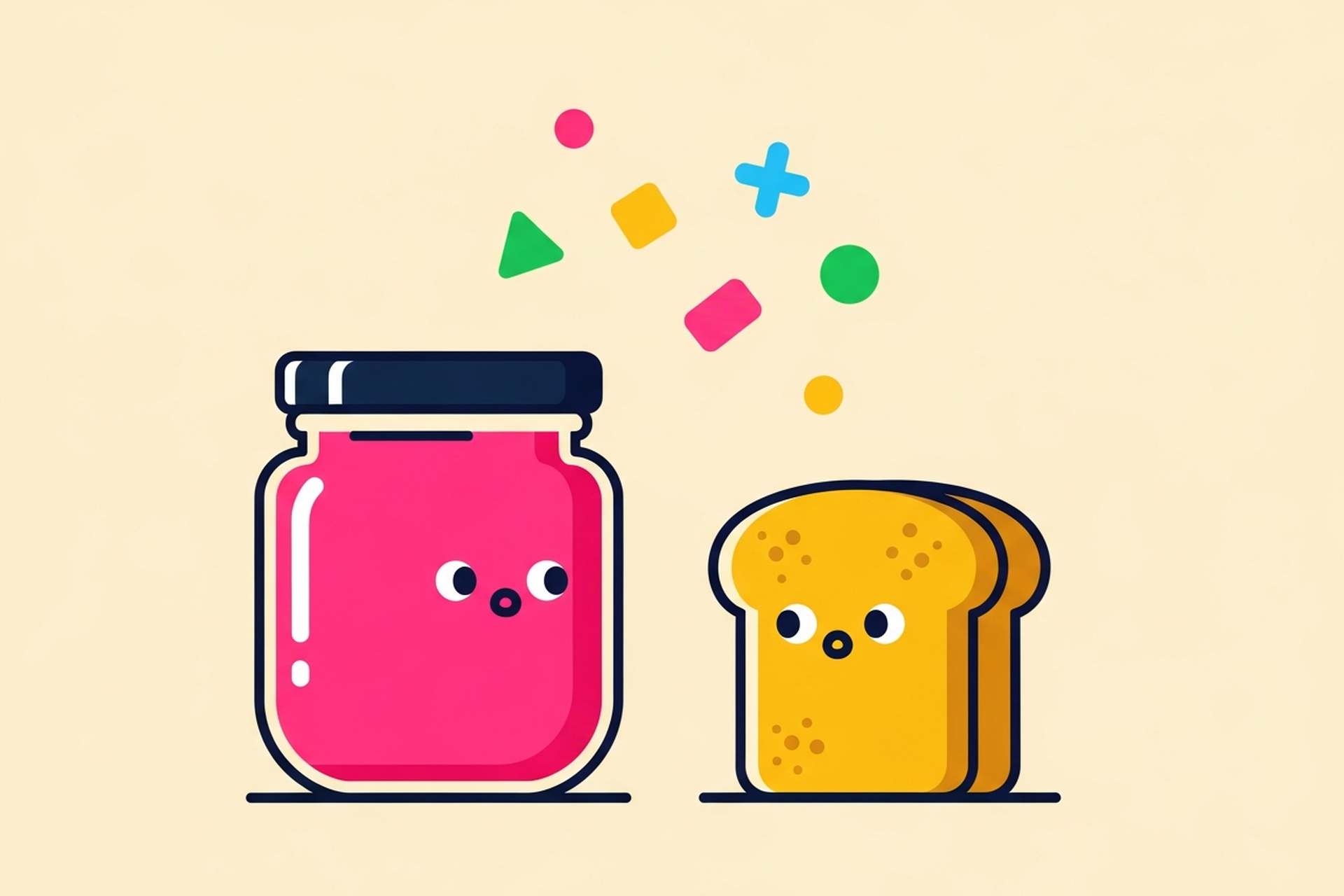
Editorial illustration has a specific job. It communicates an idea or perspective, not just decoration. Most people encounter it without thinking about the category - a striking image at the top of a long-form article, a conceptual visual in a brand whitepaper, a thought-provoking header on a newsletter. When illustration serves the argument rather than just the layout, that is editorial work.
Understanding what editorial illustration is - and how it differs from other illustration types - helps brands make smarter decisions about when to use it, how to brief it, and what they should expect from the process.
Editorial illustration is narrative or conceptual art created to support and extend written content. It does not exist independently. It responds to a specific piece of writing - an article, a report, a blog post, an essay - and expresses something about the ideas in that writing through visual form.
The category has its roots in print journalism. Magazines and newspapers have used illustrators alongside writers for well over a century. Before photography dominated newsrooms, illustration was the primary visual medium for news and analysis. Major publications built house styles, developed long relationships with illustrators, and treated editorial art as integral to their editorial voice.
That tradition has carried into digital content. The difference now is that brands - not just publishers - are the main commissioners. A fintech company running a thought leadership blog, a HR platform producing an annual trends report, a design agency writing about industry change: all of these are editorial contexts that can benefit from strong editorial illustration style.
The defining characteristic is interpretation. Editorial illustrations do not describe what a piece of writing says. They respond to it. An article about burnout in distributed teams might be illustrated with a figure floating in a sea of laptops, or a single candle burning at both ends. The image is not a diagram of the content. It is a visual argument.
Blog post and article headers. The most common use case. A strong editorial header image replaces generic stock photography with something that belongs to the content. Readers notice the difference, even if they do not identify it consciously.
Long-form reports and whitepapers. Industry research and trend reports carry more authority when the editorial art is commissioned to match the content's themes. Section-break illustrations, conceptual spreads, and narrative visuals all make dense content more readable and more memorable.
Newsletters. Brands treating their email list as a publication - regular long-form issues, editorial commentary, analysis pieces - increasingly invest in custom illustration to build a consistent visual identity across issues.
Thought leadership content. LinkedIn posts, contributed articles, and CEO-authored perspectives benefit from editorial art that signals the brand's visual sophistication. In a feed full of stock images and corporate photography, a commissioned illustration creates immediate differentiation.
Event promotion and campaign work. Conferences, product launches, and seasonal campaigns use editorial illustration to establish a visual concept that runs across all touchpoints. This is illustration doing thematic work - creating a mood or perspective that unifies the campaign.
If you are still working out what overall approach makes sense for your brand's content, defining your illustration style is a useful starting point before commissioning editorial work.
Not all illustration is editorial. Understanding the differences helps you commission the right type for each context.
Spot illustration is primarily decorative. It adds visual interest to a layout without carrying a specific argument. It is chosen for how it looks in a space, not for what it says about the content.
Mascot illustration is identity work. It creates a character that represents the brand consistently across contexts. The mascot is not responding to specific content - it is an asset with its own brief and rules. If this is closer to what you need, exploring cartoon illustration styles first will help you understand what style directions are available.
UI illustration is functional. Empty states, onboarding sequences, error messages: UI illustration guides users through a product interface. It communicates states and actions, not editorial ideas.
Editorial illustration is interpretive. It takes an idea - burnout, market uncertainty, trust, change - and finds a visual metaphor or narrative image that expresses that idea in a way words alone cannot. This requires a different kind of brief and a different relationship with the illustrator.
A good editorial brief is different from other illustration briefs. You are not asking for a rendering of something specific. You are giving an illustrator enough context to develop a concept independently.
What to include:
The written content itself, or at minimum a summary of the argument. The illustrator needs to understand what the piece is actually saying before they can respond to it visually. Sending only a title or headline is not enough.
The tone and emotional register. Is this piece urgent, optimistic, critical, wry? The illustration needs to match the register of the writing. A satirical piece illustrated with something warm and reassuring will feel off.
The audience and usage context. Where will this illustration live? What size and format does it need to work at? Who is the reader? All of these affect the visual approach.
Visual references. Not to copy, but to communicate your style preferences and level of abstraction. Do you want something highly conceptual? More literal? Graphic and flat, or textured and expressive?
What to leave to the illustrator:
The specific concept. If you walk in with the fully-formed image idea, you are art directing, not commissioning editorial illustration. The value of working with a strong editorial illustrator is their ability to generate concepts that go further than what a content or marketing team would produce on their own.
The composition. Let the illustrator determine how the visual elements are arranged. Over-directing composition is the fastest way to get mediocre editorial art.
Book a call if you want to talk through how to brief your first editorial project and what to expect from the process.
This is where the opportunity is most underused. Most B2B brands are still running their thought leadership content alongside stock photography - images of handshakes, generic office settings, abstract geometric shapes. It is visually forgettable, which means the content often is too.
Editorial art changes the perception of the content itself. A well-illustrated piece of analysis signals that the brand has invested in what it is saying. That investment reads as editorial authority - the visual quality implies intellectual quality, even if the reader cannot articulate why.
For content teams producing long-form work - annual reports, research summaries, deep-dive blog series - editorial illustration is one of the highest-leverage investments they can make. One strong image, used well as a header and across social promotion, gives a piece of content a visual identity that makes it recognizable and shareable.
The challenge is consistency. Individual commissions produce individual results. The answer is a system: illustration that is stylistically coherent across an entire content program, so the brand builds a recognizable visual language rather than a collection of disconnected images.
If you are considering vintage illustration styles or other specific aesthetic directions for editorial work, it helps to understand those style decisions in the context of your overall content program.
Jamm treats editorial illustration as a strategic content asset, not a decoration added at the end of the production process. That means getting involved early - understanding the content calendar, the themes that recur across pieces, and the visual language that will make the body of work feel coherent over time.
For brands running regular long-form content, Jamm builds an illustration system: a defined style, recurring visual motifs, a limited palette, and an approach to metaphor that stays consistent across every piece. This is the difference between commissioning individual illustrations and building an editorial visual identity.
The result is content that looks intentional and distinct, regardless of the topic.
If your content deserves illustration that does more than fill space, Start your design subscription and bring a consistent editorial art direction to your entire content program.
Hire a team of top level professionals for less money than hiring a single designer. Stupid simple design subscription service to level-up your business!
Looking forward to potentially working with ya ✌️


