Branding
May 21, 2026

"Branding services" covers an enormous range of actual work — from a $500 logo to a $150,000 full brand system for a Series B company. Understanding what each tier includes, and what the price differences actually buy, is the starting point for any branding engagement.
This is what branding services actually contain in modern packages, and how to match scope to what your business actually needs.
Branding services break into four rough tiers, differentiated by scope, process depth, and strategic involvement.
What's included:
What's not included: Messaging, brand strategy, extended application design, or assets beyond the logo system.
Typical pricing: $500-$3,000 for freelance; $3,000-$8,000 for a studio or agency.
When it's right: Very early stage, pre-product, or MVP companies that need a functional visual identity to start operations.
What's included:
What's not included: Website design, campaign creative, or brand strategy (messaging, positioning).
Typical pricing: $5,000-$25,000 depending on the provider and depth.
When it's right: Seed to Series A companies building a brand that needs to hold up across multiple channels and touchpoints consistently.
What's included:
What's included: Full visual and verbal identity system.
Typical pricing: $15,000-$60,000 depending on the provider and the depth of strategy work.
When it's right: Companies about to launch publicly, raising a meaningful funding round, or repositioning in a competitive market where differentiation depends on both what you look like and what you say.
What's included:
Typical pricing: $50,000-$200,000+
When it's right: Companies in competitive markets with real marketing budgets, or enterprise companies managing complex brand portfolios.
Even good branding packages often don't include things that matter operationally:
Editable source files. Some providers deliver final files but retain working files. Confirm before signing that you receive editable source files (Figma, AI, or equivalent) as part of delivery.
Responsive logo variants. The primary logo rarely works at every scale and context. Confirm that small-scale and single-color variants are included, especially if you're running paid ads or building a product.
Social media templates. A brand guideline says what your brand should look like on social. A social media template shows exactly how to execute it. They're different things and not always included in the base scope.
Website design. Brand identity and website design are often sold as separate services. If you need both, confirm which is included and what the scope boundary is.
Most branding engagements go wrong not because the designer is bad, but because the brief is vague. A few hours spent on a clear brief saves weeks of misdirected work.
Define the business context first. What's changing in your business that's making this necessary? A new funding round, a pivot, a new market, a rebrand after a leadership change. The business context shapes every design decision.
Name your audience specifically. "B2B software buyers" is not specific. "Series A CTO at a 50-person SaaS company who evaluates vendors primarily through peer recommendations and product demos" is specific. The more specific the audience definition, the more targeted the visual identity can be.
Describe what you want to feel like. Give three to five adjectives that describe the brand personality you're aiming for, then give three to five that describe what you want to avoid. "Confident but not aggressive, technical but not cold, modern but not trendy" is a useful brief. "Professional and innovative" is not.
Share competitors plus brands you admire. Not so the designer copies them, but so they understand the visual territory. Five direct competitors (what we're trying to differentiate from) plus three brands in different industries you admire (the qualities you want to reference) gives a designer more real direction than any written description.
Be clear about what success looks like. Is this for a fundraise? A product launch? Getting sales materials to stop embarrassing you? The stakes and context shape what "done" means.
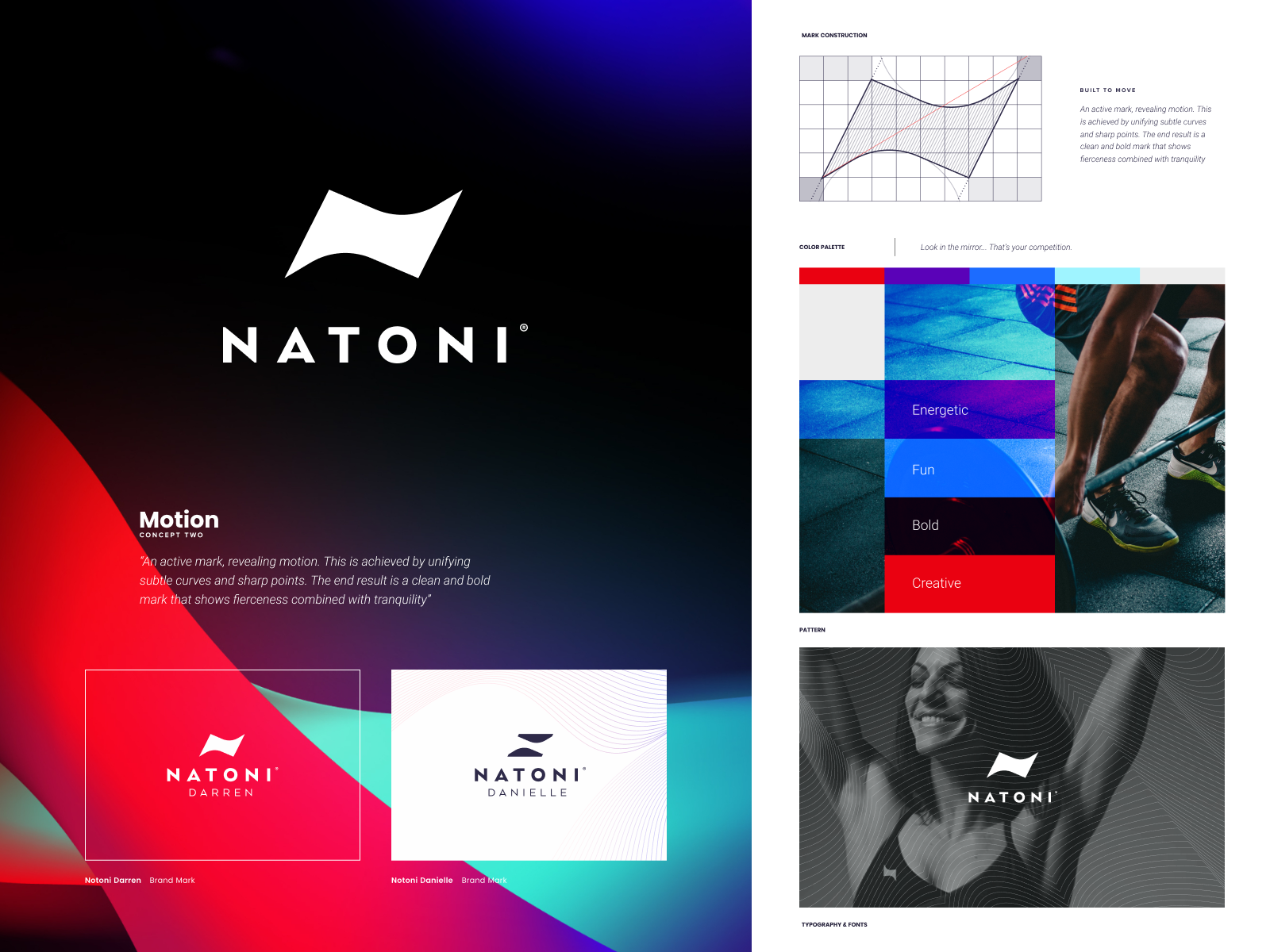
A brief doesn't have to be elaborate. One or two pages covering context, audience, personality, competitive landscape, and success criteria is enough for most engagements. What matters is that it's specific.
For companies that need branding work without the large upfront investment of a project-based engagement, a design subscription provides ongoing brand development at a flat monthly rate.
This model works well for: evolving an existing visual system, creating new brand assets on an ongoing basis, building out templates and applications as new needs arise, and maintaining brand consistency across a growing team.
It's less suited to: starting from zero with no brand foundation, or making a strategic repositioning that requires significant research and senior brand strategy work.
Jamm handles branding work as part of a flat monthly subscription — from logo systems to full brand asset libraries built over time. See our branding work or book a call to talk through what your brand actually needs at your stage.
Hire a team of top level professionals for less money than hiring a single designer. Stupid simple design subscription service to level-up your business!
Looking forward to potentially working with ya ✌️


