Branding
May 21, 2026

Every branding agency offers a comprehensive package. Not every startup needs one. Understanding which elements of a branding package create real business value at your stage (and which can be deferred) saves significant runway without sacrificing the brand foundation that matters.
Branding isn't aesthetic. It's the system that lets your company communicate consistently across every touchpoint: website, pitch deck, product, sales materials, hiring pages. A startup without a coherent brand spends extra time on every design decision ("should the button be this blue or that blue?") and makes a weaker impression on every stakeholder interaction.
The investment case for branding isn't about looking polished. It's about operating efficiently and building recognition that compounds over time.
At pre-seed, you're doing customer discovery, building a prototype, and talking to early investors. Your brand needs to communicate that you're serious and that your thesis is coherent. It does not need to be beautiful.
What you need:
What you can skip:
Budget expectation: $1,000-$4,000 for a freelancer or small studio.
At seed stage you're talking to more investors, hiring your first team members, and beginning customer acquisition. Your brand needs to hold up in more contexts and communicate to more audiences.
What you need:
What you can skip:
Budget expectation: $5,000-$20,000 depending on provider.
At Series A, you're scaling marketing, hiring larger teams, and your brand is being applied by people who weren't in the room when it was created. Consistency without oversight requires a system.
What you need:
What you still may not need:
Budget expectation: $15,000-$60,000 or a design subscription that builds the system over time.
Before you evaluate a branding package proposal, it helps to know what quality execution looks like at each level. The difference between a $4,000 identity and a $20,000 one isn't just polish. It's depth of system and number of use cases covered.
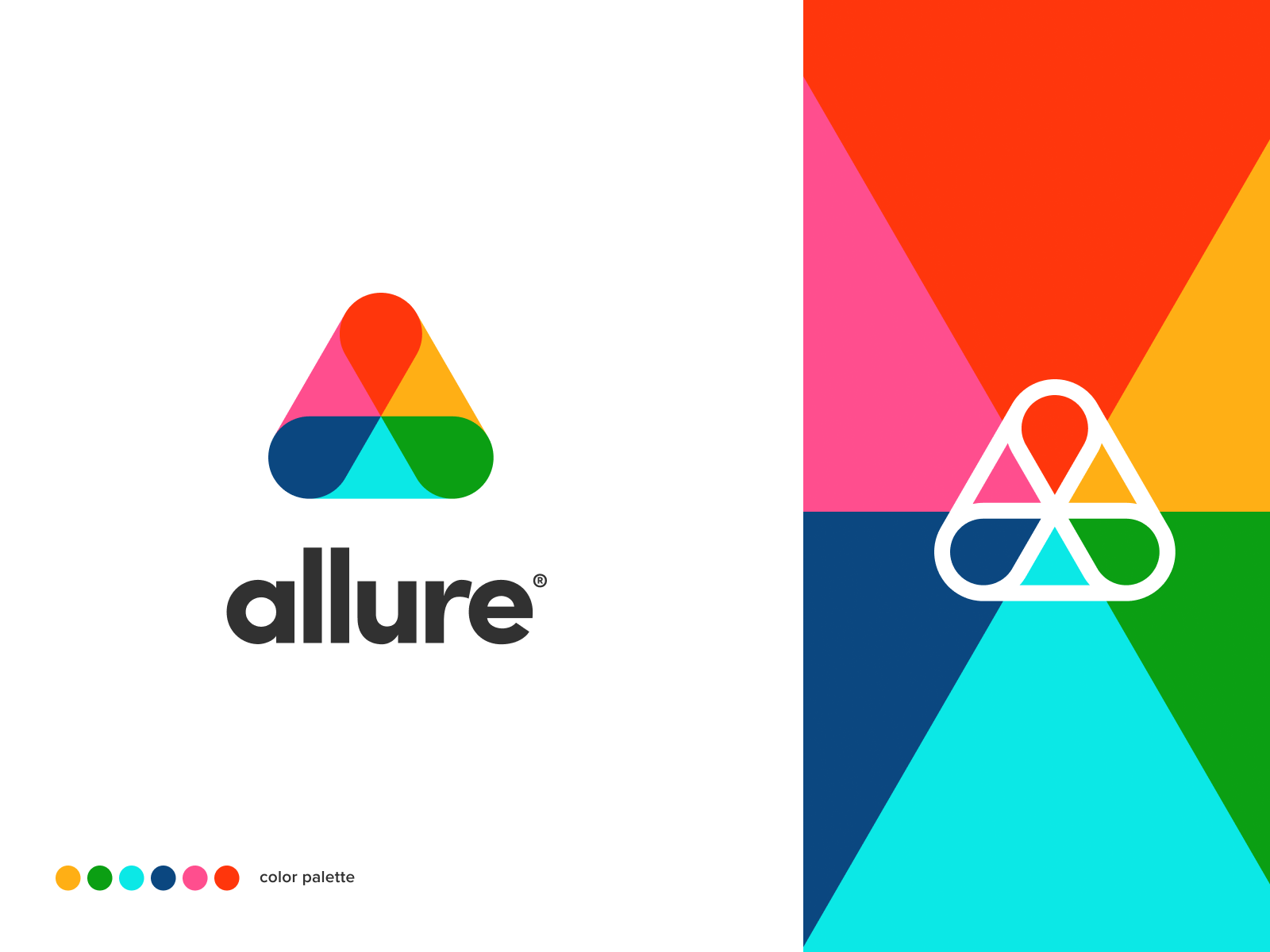
A complete seed-stage brand identity includes a primary logo, at minimum two supporting lockups (horizontal and icon-only), a full color system with documented hex values, a typography stack (display, body, and supporting weight), and a brand guidelines document that covers basic usage. Everything a team member needs to apply the brand without asking you.

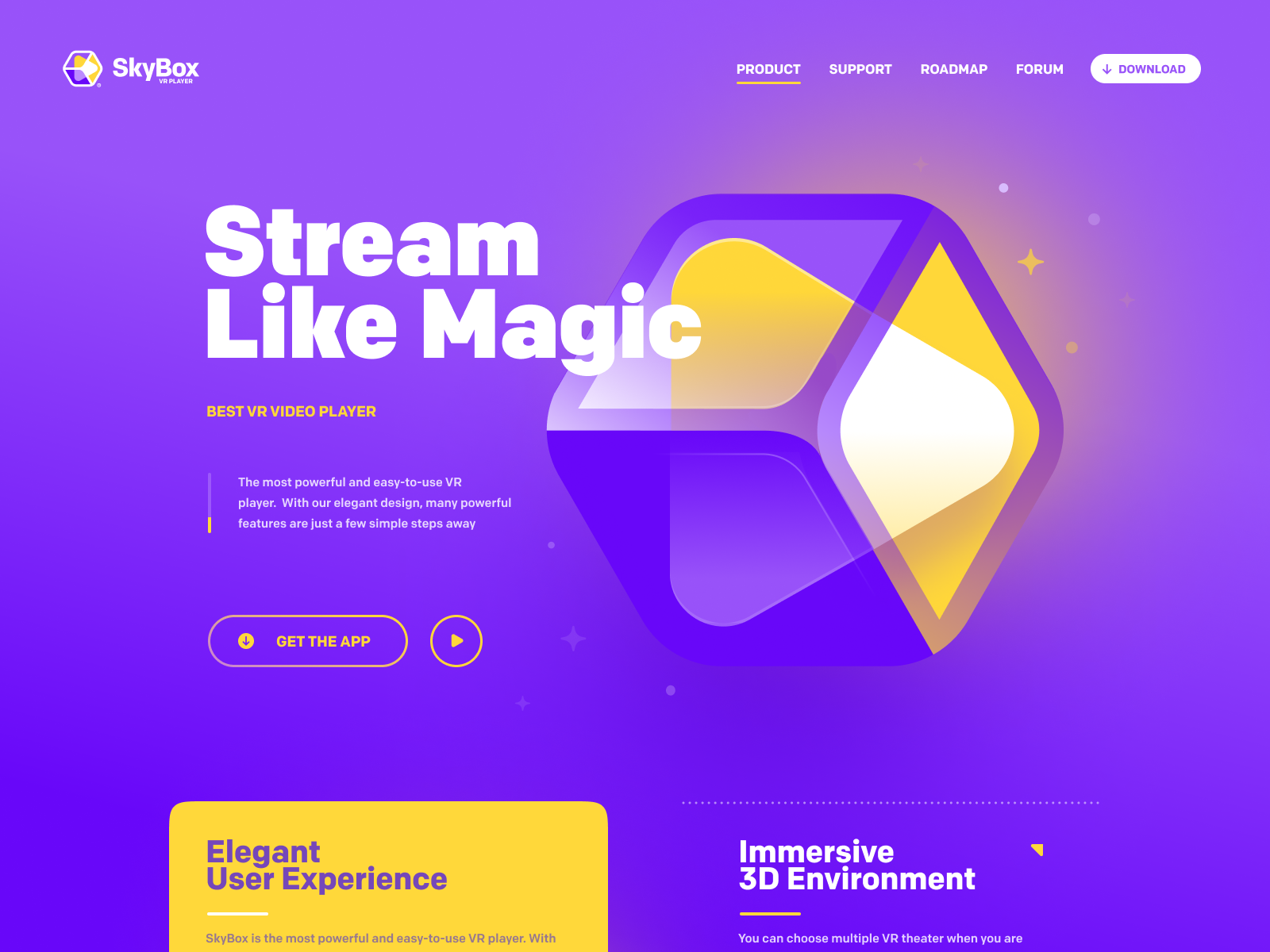
At growth stage, the system expands to cover more contexts: social media templates, presentation slide masters, email headers, and an illustration or icon library if the product requires one. The guidelines document grows from 10 pages to 30-50, covering photography, illustration style, and tone of voice alongside the visual system.
Most proposals look similar on paper. These questions separate thorough agencies from logo vendors:
What does the discovery process look like? Any agency doing strategy-included work should have a structured discovery phase: stakeholder interviews, competitive visual audit, positioning review. If the process jumps straight to mood boards, they're selling execution without strategy.
What are the exact deliverables? Get a specific list. How many logo variants? What file formats? What does the guidelines document cover? How many revision rounds are included, and what counts as a revision?
Who specifically will design it? At most agencies, senior creative directors pitch and junior designers build. Ask to see work from the person who will actually be on your project, not just the agency's best-of portfolio.
What happens if the initial direction misses? The answer reveals how the agency handles feedback. You want "we treat early rounds as discovery" not "we defend our direction until you're satisfied."
Buying a comprehensive package before you have product-market fit. The $40,000 brand identity package you buy at pre-seed may need to be partially redone after you pivot. Buy what you need for your current stage, not what you'll eventually need.
Under-investing in the logo system. The logo itself matters less than people think. What matters is having enough logo variants for every context: the primary logo for your website, the icon-only version for your app and favicon, the horizontal version for email headers, the single-color version for co-branding and merchandise. Missing variants create inconsistency.
Skipping guidelines. A logo without usage rules gets applied inconsistently the moment someone outside your team needs it. Even a basic one-page guidelines PDF prevents the most common consistency failures.
Conflating brand identity with brand strategy. Your logo, colors, and fonts are brand identity. Your positioning, messaging, and competitive differentiation are brand strategy. You can have a great logo and a muddled message. Agencies that charge strategy prices but deliver identity deliverables are common. Confirm what you're buying.
For startups that need branding work to evolve alongside their stage rather than buying everything upfront, a design subscription builds out brand assets incrementally at a flat monthly rate.
This works well for: extending an existing visual system as new needs emerge, building collateral and templates as the brand is applied to new channels, and maintaining brand consistency as the team grows.
Jamm builds and extends brand systems as part of a subscription alongside web design and product design work. See our work or book a call to talk through what your stage actually needs.
Hire a team of top level professionals for less money than hiring a single designer. Stupid simple design subscription service to level-up your business!
Looking forward to potentially working with ya ✌️


