Branding
May 21, 2026

"We need a rebrand" is usually how founders describe two very different problems. Sometimes they mean the visual identity is outdated, inconsistent, or mismatched with where the company is now. Sometimes they mean the positioning is unclear, the messaging is muddled, and nobody can explain what makes them different from competitors.
The first problem is a brand identity problem. The second is a brand strategy problem. They require different work to fix.
Understanding which one you're dealing with saves you from spending $20,000 on a new logo when what you needed was clarity of positioning, or spending months on strategy work when what your brand actually needed was a visual refresh.
Brand strategy is the foundational thinking that defines who you are, who you serve, and why anyone should choose you. It's not a visual output. It's a decision framework.
A brand strategy covers:
Brand strategy is the architectural plan. It answers the questions that shape every other creative decision the brand makes.
Brand identity is the visual and verbal expression of that strategy. It's the logos, colors, typography, imagery, and tone of voice that make the strategy visible and consistent across every touchpoint.
A full brand identity includes:
Brand identity is how the strategy becomes tangible. It's what customers see, remember, and associate with you.
Brand identity without strategy is design without direction. You can make it look beautiful, but without clear positioning and audience insight, there's no way to know whether it's communicating the right things to the right people.
Think of strategy as the blueprint and identity as the build. You can't do the build properly without the blueprint. Every major design decision in a brand identity project (color psychology, typographic personality, visual style) should be answerable by reference to the strategy.
When brands redo their identity and find it "still doesn't feel right," it's almost always because the strategy was vague or skipped. The designers made good aesthetic decisions, but without strategic direction, they were making it look nice rather than making it communicate.
You probably need brand strategy work if:
You probably need brand identity work if:
You probably need both if:
For most growth-stage companies, the sequencing looks like:
The strategy doesn't need to be a 40-page document. A clear, agreed-upon one-pager covering positioning, audience, value proposition, and voice is enough to brief compelling visual identity work.
Understanding the path is one thing. Knowing where companies most often go wrong is the more useful knowledge.
Skipping strategy entirely. The most common mistake, especially at early stage, is moving straight from "we need a brand" to "let's design a logo." Strategy feels slow and abstract. Logo design feels tangible. But a visual identity built without strategic direction has no reference point. The result looks nice and communicates nothing specific. When the brand inevitably needs updating, there's nothing to anchor the revision to.
Over-investing in strategy too early. At pre-seed, a 40-page brand strategy document is waste. The positioning will change when you talk to more customers. A one-page working document is enough to brief a visual identity at that stage. Save the detailed strategy engagement for when you've validated the market.
Treating them as sequential and discrete. In practice, strategy and identity inform each other. A positioning statement that sounds clear in a document may reveal gaps when you try to express it visually. The visual explorations a designer produces often surface strategic questions that hadn't been articulated. The best engagements treat strategy and identity as a loop, not a handoff.
Building the identity without documenting the strategy. Even when strategy work is done well, if it isn't documented and shared, it evaporates. The strategic thinking that informed the logo design lives in someone's head. When that person leaves, or when a new designer touches the brand, the rationale disappears and the identity starts drifting.
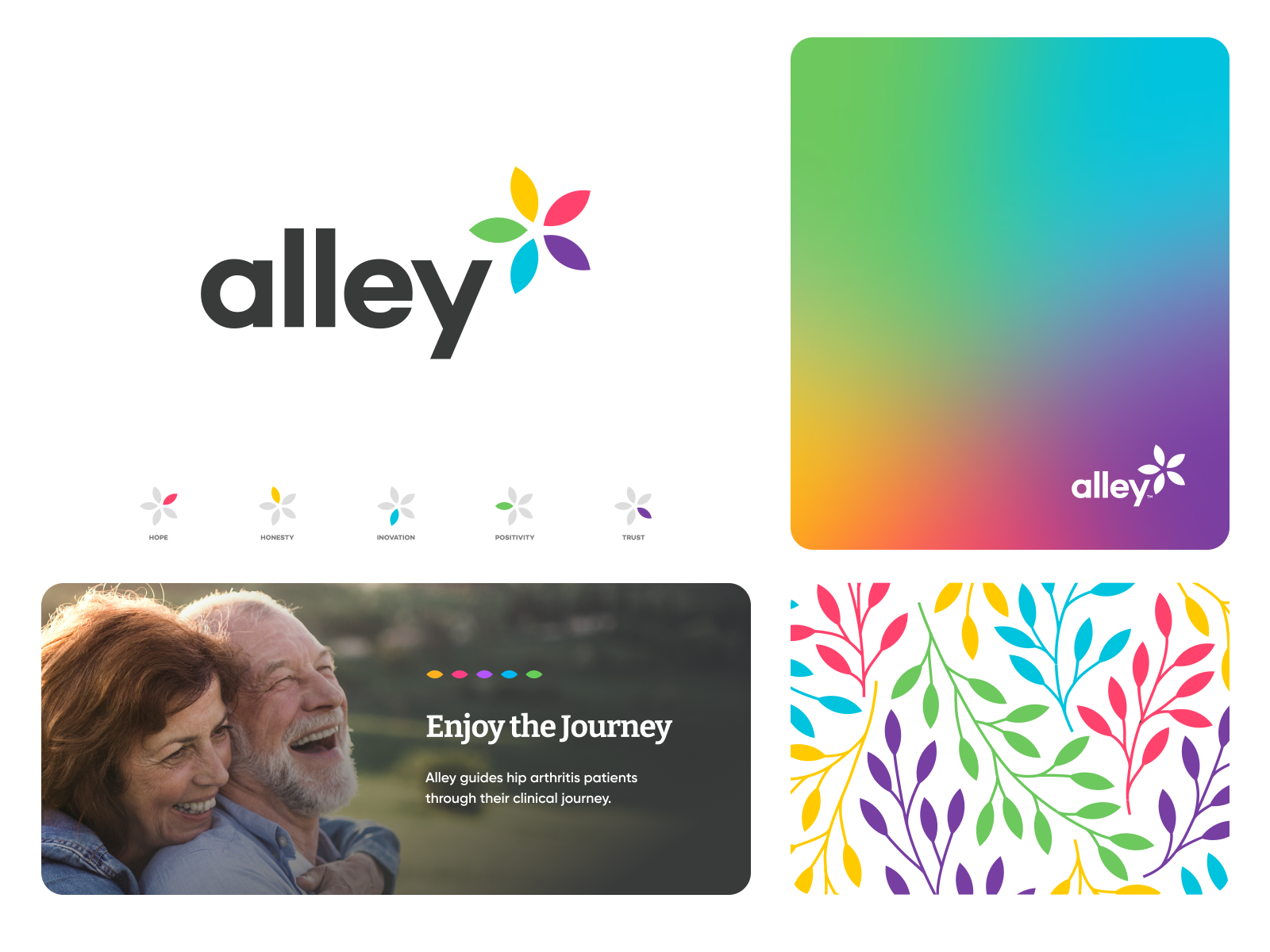
The brief on the left doesn't need to be elaborate. What it needs to do is answer three questions clearly: who are we for, what do we stand for, and what makes us different. Everything on the right side flows from those answers.
Strategy and identity both have shelf lives. Positioning that was accurate at launch may not reflect the company at Series A. A visual identity built for one customer type may not fit the expanded audience you're serving now.
A useful check: look at your brand once a year and ask whether it would make sense to someone who knew nothing about the company except what the brand communicates. If the answer is no, something has drifted. Either the strategy has shifted but the identity hasn't followed, or the identity has been inconsistently applied and the strategy hasn't been updated to reflect who you've become.
Jamm's design subscription handles the identity execution: logo system, visual language, brand guidelines, and all the applications. If you've done the strategy work and need a team to bring it to life, book a call to talk through the scope.
Hire a team of top level professionals for less money than hiring a single designer. Stupid simple design subscription service to level-up your business!
Looking forward to potentially working with ya ✌️


