Branding
May 21, 2026


Brand positioning strategy is the discipline of deciding where your brand sits in the market relative to alternatives. Not where you'd like to sit. Where you can credibly sit, based on what you actually do better than anyone else for a specific set of people.
Most brands don't have a positioning problem in the abstract. They have a specificity problem. The positioning is either too broad ("we do great design for businesses"), too generic ("we're the trusted partner for growth"), or too internally focused ("we use a proven process") to mean anything to the people they're trying to reach.
This is the framework we use to fix it.
Good brand positioning sits at the intersection of three things:
Positioning that covers all three is both true and defensible. Positioning that misses one tends to collapse under scrutiny.
This sounds obvious. It's usually the step done most superficially.
"Startups need good design" is an observation, not an insight. The insight is: "Early-stage founders need design that moves fast and doesn't require extensive briefing, because their biggest problem is time, not budget." That insight shapes different positioning decisions than the surface observation.
How to get there: Talk to 10 recent customers and ask: "What was happening in your business when you decided to look for help?" and "What made you choose us over alternatives?" The language they use to describe their situation and their decision is positioning data. Reflect that language back.
Most companies have a list of features that are different from competitors. Very few have a genuine differentiator: something they do meaningfully better for a specific audience, that alternatives don't do at all or don't do as well.
The test: if your competitor could honestly say the same thing about themselves, it's not a differentiator. It's a category claim.
The exercise: Complete this sentence honestly: "We're the only company that _____ for _____." If you can't complete it with something true and specific, you haven't found the differentiator yet. Keep digging.
Before settling on positioning, map where competitors already stand. Use two axes that your audience cares about. Common ones: price vs. quality, speed vs. depth, specialized vs. full-service, hands-on vs. self-serve.
Where are your top 5 competitors clustered? That cluster is the crowded space. The white space is where there's a real audience need that's underserved by current options.
Your positioning should aim for white space you can credibly occupy, not the middle of the cluster.
A positioning statement isn't marketing copy. It's internal logic. It answers: who are we, who are we for, what do we do, and why should they choose us over alternatives?
The template: "For [specific audience] who [specific need or situation], [brand name] is the [category] that [distinct benefit], because [reason to believe]."
A weak example: "For businesses that need design, Jamm is the design service that delivers great work fast."
A stronger example: "For growth-stage startups that need consistent, high-quality design across their marketing and product without managing multiple vendors or hiring in-house, Jamm is the design subscription that delivers senior-designer quality at a flat monthly rate, because our team learns your brand once and produces work that looks like it came from an internal team."
The stronger version is longer and more specific. That's the point. Internal positioning statements should be specific enough to make real decisions. The external version gets compressed for marketing.
Before designing a logo or writing website copy, test the positioning with people who aren't inside your company.
Position statements that feel right internally but don't land with customers need refinement before you invest in identity and marketing around them.
Most positioning isn't obviously broken. It's just vague, and vague is invisible. When positioning is working, sales conversations get shorter. Prospects self-select. Marketing finds its footing quickly. When it's not working, none of that happens, and the common diagnosis is "we need better creative" when the real issue is that the strategy underneath the creative is unclear.
Signs your positioning isn't working:
These are all positioning problems, not design problems. No amount of creative polish fixes a positioning that doesn't land.
Signs your positioning is working:
The goal of positioning work isn't a document. It's alignment: the internal team, the marketing materials, and the market perception all pointing to the same idea.
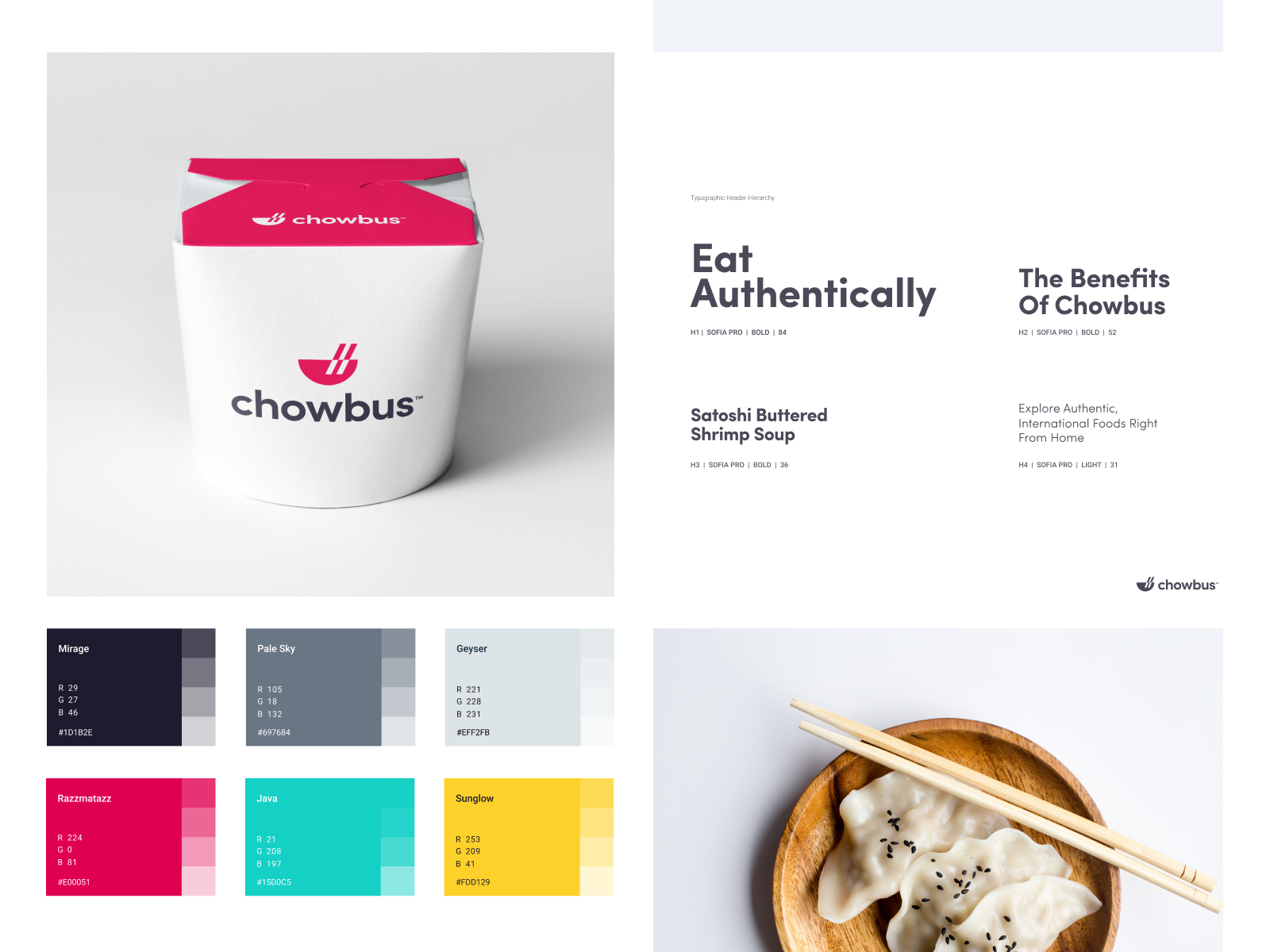
When positioning is clear, it creates coherence across every channel. The same core idea shows up in different forms across the website, ads, sales materials, and product, each appropriate to context but all recognizably the same brand.
Positioning isn't static. It's accurate at the moment you articulate it and can drift as the market changes, as competitors enter, and as your company evolves.
A useful habit: revisit the positioning statement annually, or at any significant business inflection (new product, new market, new funding round). Test the current statement against three questions: Is it still true? Is it still differentiating? Is it still resonating with the audience we're now trying to reach?
Companies that build positioning review into their planning process stay sharper and cheaper. Repositioning from scratch is a much larger investment than updating a well-maintained positioning statement.
Once positioning is clear, it briefs everything else. Visual identity decisions (personality, typography, color) become answerable against the positioning. Marketing copy has a reference point. Sales messaging has a foundation.
The companies that get the most from their brand investment are usually the ones that spend time on positioning before spending money on visual identity. The sequence matters.
Once your positioning is clear, Jamm builds the identity and materials that bring it to life. Book a call to talk through where you are and what you need next.
Hire a team of top level professionals for less money than hiring a single designer. Stupid simple design subscription service to level-up your business!
Looking forward to potentially working with ya ✌️


