Branding
May 21, 2026

Most growing businesses come to brand identity design from one of two places: they've been operating without a coherent visual system and it's starting to cause problems, or they're hitting a stage (fundraising, product launch, market expansion) where their current brand clearly isn't doing the job.
Either way, the question is the same: what is brand identity design, what does it actually cost, and how do you get it right?
Here's the complete picture.
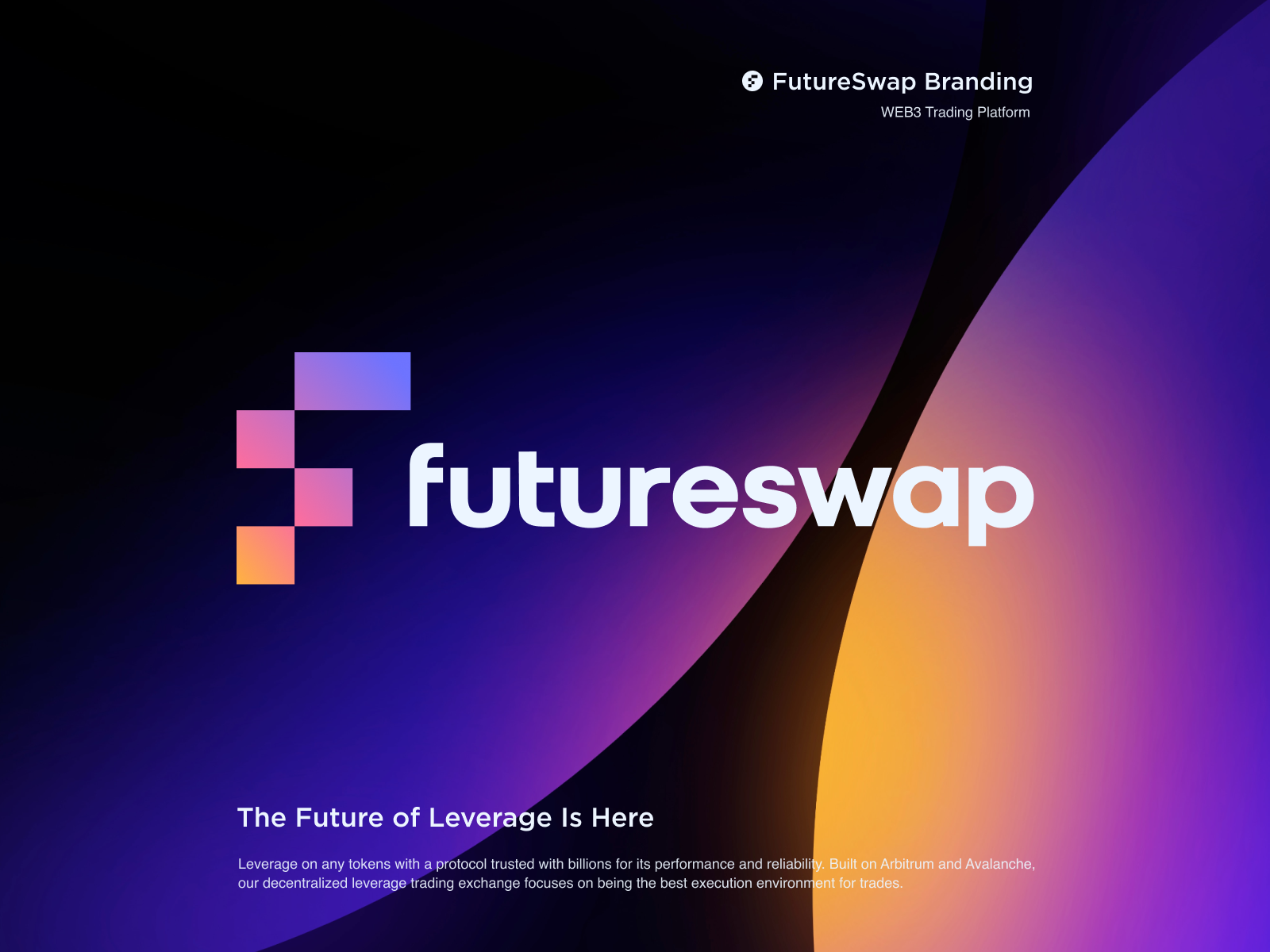
Brand identity design is the visual system that represents your company — not just a logo, but the full set of elements that work together to create consistent recognition and communicate who you are.
A complete brand identity system includes:
Core elements (every brand needs these):
Extended elements (built as the brand scales):
Most early-stage businesses need the core set. Extended elements get built as the brand encounters more surfaces.

There's no universal right answer, but these are the moments that typically force the decision:
Before a major fundraise. Investors form impressions quickly. A polished, coherent brand identity signals the same judgment and attention to detail that LPs and angels want to see applied to the business itself. It's not the deciding factor, but it's part of the filter.
Before a significant launch. Product launches, market expansions, and major marketing campaigns all amplify whatever brand you have — good or bad. Building a system before the amplification rather than after means the investment pays off from the first dollar of marketing spend.
When growth is generating brand drift. Fast-growing teams add headcount, hire contractors, and produce more content than a founder can review. Without a defined brand identity system, visual consistency deteriorates fast. If your website, decks, social, and product UI all look like they came from different companies, it's drift.
When the brand no longer reflects the business. The logo you built at launch is fine for where you were. It may not be right for where you're going. If the brand feels like a mismatch with your current market position, audience, or product, that dissonance has a cost.
The range is wide because the scope and quality vary enormously. Here's a realistic breakdown:
Freelancer: $3,000-$15,000 for a full identity system. Quality varies significantly. Stronger at lower budget points than agencies, but provides less strategic thinking and documentation.
Boutique branding agency: $15,000-$60,000. Strategic positioning included. Full guidelines, multiple deliverable rounds, professional documentation.
Design subscription: $1,000-$3,000/month. Works sequentially through the identity system: logo, color, type, guidelines, extended elements. Costs more per element at low volume but includes ongoing iteration as the brand needs evolve. Well-suited for companies that need brand work and ongoing design simultaneously.
Tier-one brand agency: $100,000+. Reserved for major rebrands, global companies, and cases where the brand strategy itself requires extensive research and positioning work.
The quality of your brief determines the quality of the work. A weak brief generates rounds of feedback and rework. A strong brief creates shared understanding before a pixel is placed.
A good brand identity brief includes:
Business context. What does the company do, who does it serve, and what is the specific job this brand identity needs to do? (Attract investors? Build credibility in a new market? Replace an outdated identity?)
Competitive landscape. Who are your direct competitors and how do they position visually? Are there visual conventions in your category worth following or intentionally breaking?
Adjective set. What 3-5 adjectives should the brand feel like? What adjectives should it definitely not feel like? (Be honest — if you want "premium" and "approachable" without "corporate" or "generic," say that explicitly.)
Audience. Who specifically is this brand talking to? How design-literate is your audience? What do they respond to?
References. Brands you admire visually — in your category or outside it — with notes on specifically what you like about each one.
What exists. If you have any existing brand assets to preserve or build from, note them here. If you're starting from scratch, say that explicitly.
A typical brand identity engagement for a growing company runs 4-8 weeks with these phases:
Discovery. The designer reviews your brief, researches the competitive landscape, and may conduct stakeholder interviews. Output: a positioning and direction document.
Concept exploration. 2-3 visual directions presented as rough explorations — different ways of interpreting the brand brief. Each direction has a rationale. Your job at this stage is to respond to direction, not refine executions.
Refinement. One selected direction is developed into a more complete system. Logo variations, color palette, type selection. Feedback rounds here refine the work.
Delivery. Final logo files, brand guidelines document, and asset library. For ongoing design work, this is where the identity system starts being applied across real touchpoints.
Designing a logo instead of a system. A logo without color, type, and visual language guidance doesn't scale. Every designer who touches your brand after the logo is made will make their own calls on everything else.
Building brand by committee. Every additional stakeholder in the feedback loop adds noise and dilutes distinctiveness. Brand design benefits from a small, decisive set of decision-makers.
Optimizing for your own taste. The brand isn't for you. It's for your audience. A founder who loves minimalist design building a brand for a consumer audience that values warmth and expressiveness will end up with a brand that reflects their personal preference, not the market's.
Skipping the guidelines. Completing a brand identity without a guidelines document is like building a style system with no documentation. The first person who needs to apply the brand without your oversight will make wrong calls.
If you need a brand identity system — or want to extend a partial one you already have — Jamm builds brand identities as part of a design subscription. See the work or book a call to discuss where you are in the process.
Hire a team of top level professionals for less money than hiring a single designer. Stupid simple design subscription service to level-up your business!
Looking forward to potentially working with ya ✌️


