Branding
May 21, 2026

"Brand identity design services" is a phrase that covers a lot of ground. A solo freelancer charging $2,000 and a boutique agency charging $40,000 both use it. The difference isn't just price — it's what's included, how it's delivered, and what you end up with.
Here's what a thorough brand identity engagement actually involves, from first briefing through launch.
This is where good brand identity work is won or lost. Skimping on discovery produces beautiful identities that don't fit the brand — identities that look great in a case study and feel wrong to everyone who actually knows the company.
What this phase covers:
Output: A strategic brief and direction document that grounds all subsequent design decisions.
Budget engagements often skip this phase entirely. The result is creative that looks fine in isolation but misses the mark for the specific company.
With strategy defined, the designer produces 2-3 visual directions — rough explorations, not final executions. Each direction represents a different creative interpretation of the strategic brief.
What this phase produces:
Your job at this stage: Respond to direction, not detail. Which direction feels right? Which one captures something true about the company? Giving feedback on logo refinements before direction is selected wastes everyone's time.
Most projects converge on one direction here, sometimes with elements borrowed from another. That's the normal outcome.
One direction is selected and developed into a complete system. This is where the work becomes detailed and iterative.
What gets built:
Feedback rounds in this phase refine executions within the selected direction. Expect 2-3 rounds of feedback for a thorough project.
A completed identity without documentation is not a complete deliverable. Brand guidelines are what make the identity usable by everyone who will ever touch it.
A proper guidelines document includes:
The quality of this document is a strong proxy for the quality of the overall engagement. A superficial one-page PDF is not guidelines — it's decoration.
File package:
Some engagements include a launch kit: social media profile graphics, a presentation template, a basic letterhead. These are genuinely useful and worth asking about if they're not included by default.
Boutique branding agency ($15K-$60K): Full strategic depth, multiple creatives contributing, extensive deliverable package. Best for significant launches, rebrands, or companies where brand is a core competitive asset.
Specialized brand freelancer ($5K-$20K): Focused expertise, lower cost, more direct collaboration. Quality varies significantly. Stronger references required.
Design subscription ($1K-$3K/month): Works through the identity system sequentially. Best when you need brand work alongside ongoing design production — the identity and the materials are built by the same team. Jamm operates this way.
Junior freelancer ($1K-$4K): Appropriate for very early-stage companies that need a starting point. Expect less strategy and thinner deliverable packages.
The key question isn't just budget — it's whether the partner's process matches the scope of work you need. A $3,000 freelancer who skips discovery and delivers three logo concepts is not the same as a $3,000 engagement that includes a strategic brief, three concept directions, and a complete guidelines document.
The phases above describe the process. Seeing outputs at each stage clarifies what "done" actually means.
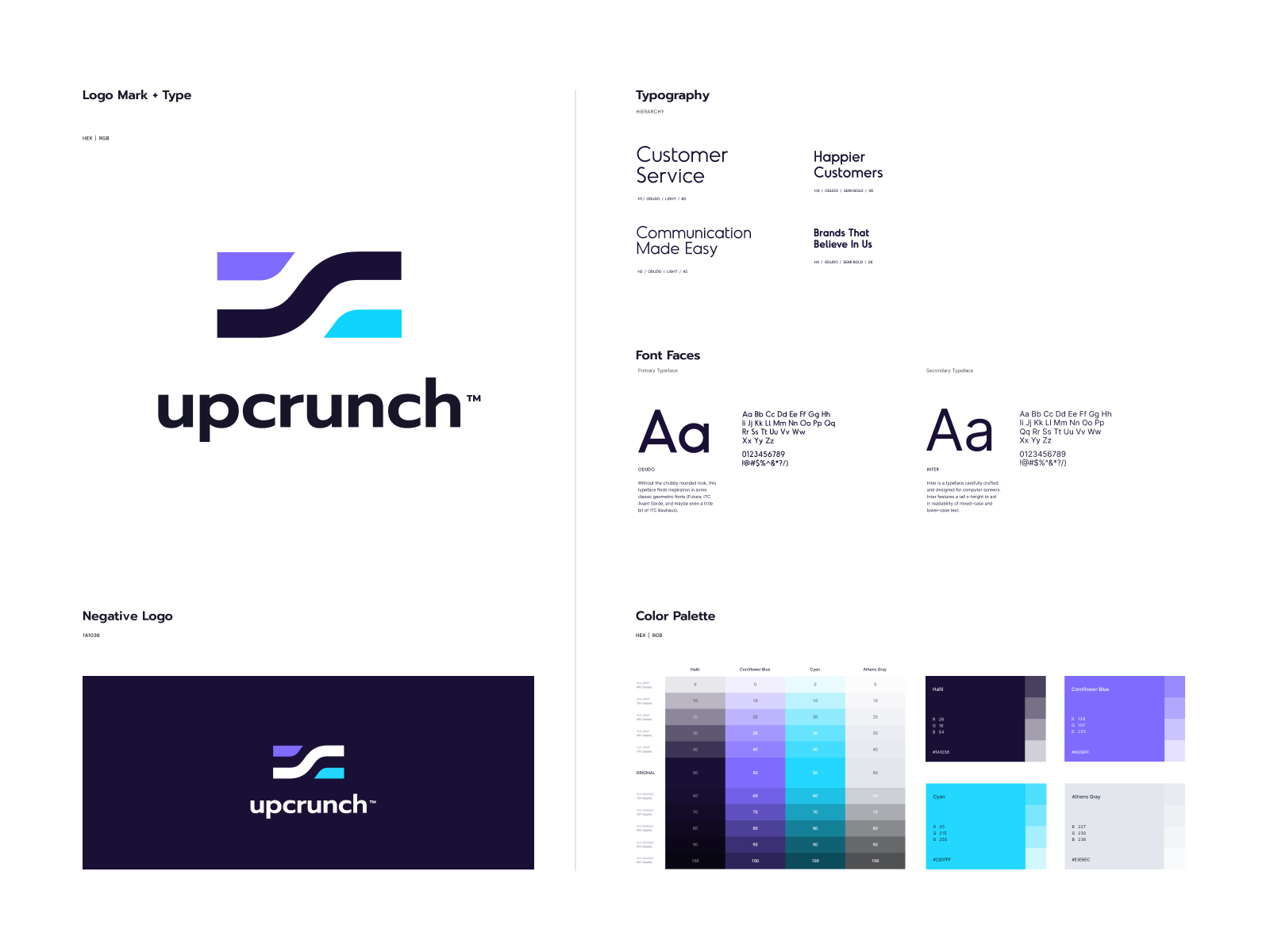
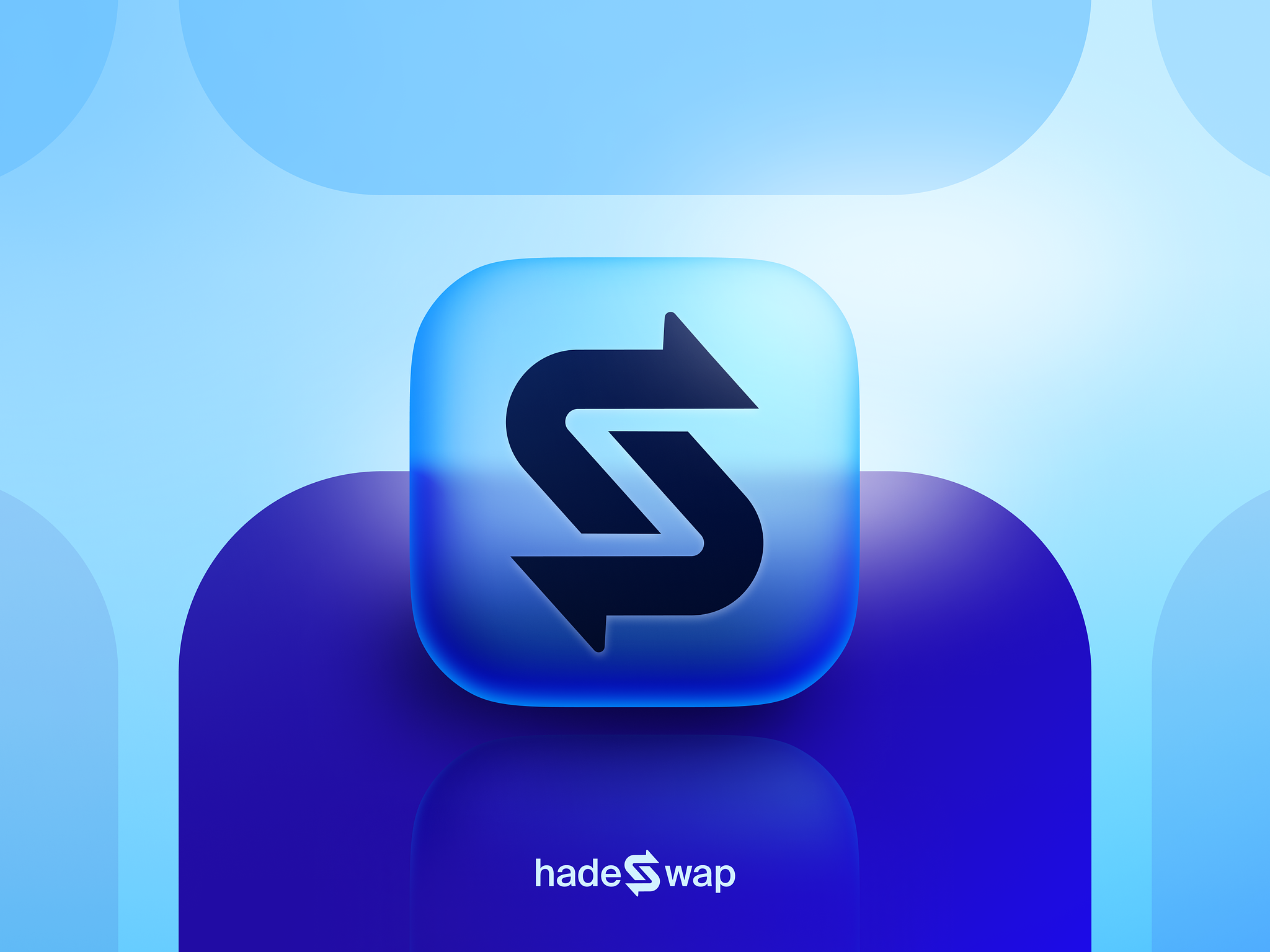
The top image represents the concept exploration phase: rough, directional, before refinement. The bottom shows a completed identity system: polished, documented, ready to apply across every surface. The distance between those two images is where most of the work happens.
Before engaging any brand identity partner, a few questions will tell you a lot about how the engagement will go.
What does your discovery phase actually include? A quality answer names specific research activities: customer interviews, competitive audit, positioning workshop. A weak answer describes design preferences conversations.
Can I see examples of guidelines documents you've produced? Guidelines quality varies enormously. A one-page logo placement guide is not brand guidelines. Ask to see the real document, not just the design work.
Who actually works on my project? At agencies, the senior creative who sold the work and the junior who executes it are often different people. Know who is designing your brand before you start.
What happens if the direction we select isn't working after refinement? Understand the process for significant pivots mid-project. Some engagements allow a direction restart within scope; some charge additional fees. Knowing this upfront prevents uncomfortable conversations later.
What do I own, and in what formats? Confirm you receive all source files, not just final exports. The ability to edit and extend your brand identity independently is essential.
If you're ready to build or rebuild a brand identity, Jamm delivers brand identity systems as part of a design subscription — from first brief through complete guidelines and applied assets. See the work or book a call.
Hire a team of top level professionals for less money than hiring a single designer. Stupid simple design subscription service to level-up your business!
Looking forward to potentially working with ya ✌️


