Branding
May 21, 2026


At some point, every growing brand hits the same wall.
You've been heads-down building the product, closing sales, hiring, surviving. The website got updated when you had time. The slide deck got tweaked before each big pitch. The social presence accumulated organically. Nobody was really steering the brand — it just kind of... happened.
Then one day you look at everything together and it feels disjointed. Or worse, someone on your sales team tells you a prospect said your brand "looks a bit scrappy" and you can't actually disagree.
That's when it's time for a brand audit.
Not because your brand is broken. Because you've been building fast, and fast building leaves gaps. A brand audit finds the gaps.
A brand audit is a structured assessment of how your brand is presenting itself — externally and internally — and whether that presentation is consistent, accurate, and working.
It looks at your visual identity (logo, colors, typography, imagery), your messaging (voice, tone, value proposition, taglines), your digital presence (website, social, email), and sometimes your internal brand understanding (do your team members describe your company the same way?).
The goal isn't to produce a grade. It's to identify gaps — places where the brand isn't consistent, where it doesn't match your current positioning, where it's creating friction instead of building trust.
Most founders are surprised by what a brand audit turns up. Not because the brand is terrible — usually it's not — but because they've never looked at everything side by side before.
Pull every place your logo appears. Website, social profiles, email signature, pitch deck, proposals, business cards, swag, invoices. Now compare them.
Is it the same logo? Same version? Same colors? Or has it evolved in subtle ways across different touchpoints — a slightly different shade here, a stretched version there, an old wordmark still living in the email footer?
Do the same for your color palette and typography. Is your website using the right brand fonts? Are your slide decks drifting into system defaults? Is that one social template someone made two years ago still using old brand colors?
Every inconsistency you find is a point where your brand is a little less trustworthy without anyone consciously knowing why.
How does your brand describe itself? Gather the copy from your homepage hero, your about page, your LinkedIn bio, your pitch deck one-pager, your latest sales email, and your most recent social media posts.
Read them side by side. Does this sound like one company? Is the value proposition the same? Is the language style consistent?
Now check if the messaging is still accurate. A lot of brands have homepage copy that describes a version of the company that existed eighteen months ago. Your product has evolved. Your ICP has sharpened. Your category positioning has changed. The words on your site haven't kept up.
This is the one most founders focus on, because it's the most visible. A few specific things to check:
Website: Does the visual brand hold? Is the copy current and accurate? Are there any obviously outdated pages (pricing pages with old plans, case studies that reference a sunset product, blog posts with wrong information)? Does the site perform well on mobile?
Social profiles: Are all your profile images consistent? All your bios accurate? Are your cover photos brand-appropriate? Are your most recent posts consistent with your current brand voice?
Email: Pull your last ten email sends. Do they look like they came from the same brand? Are the from-name, subject line tone, and design templates consistent?
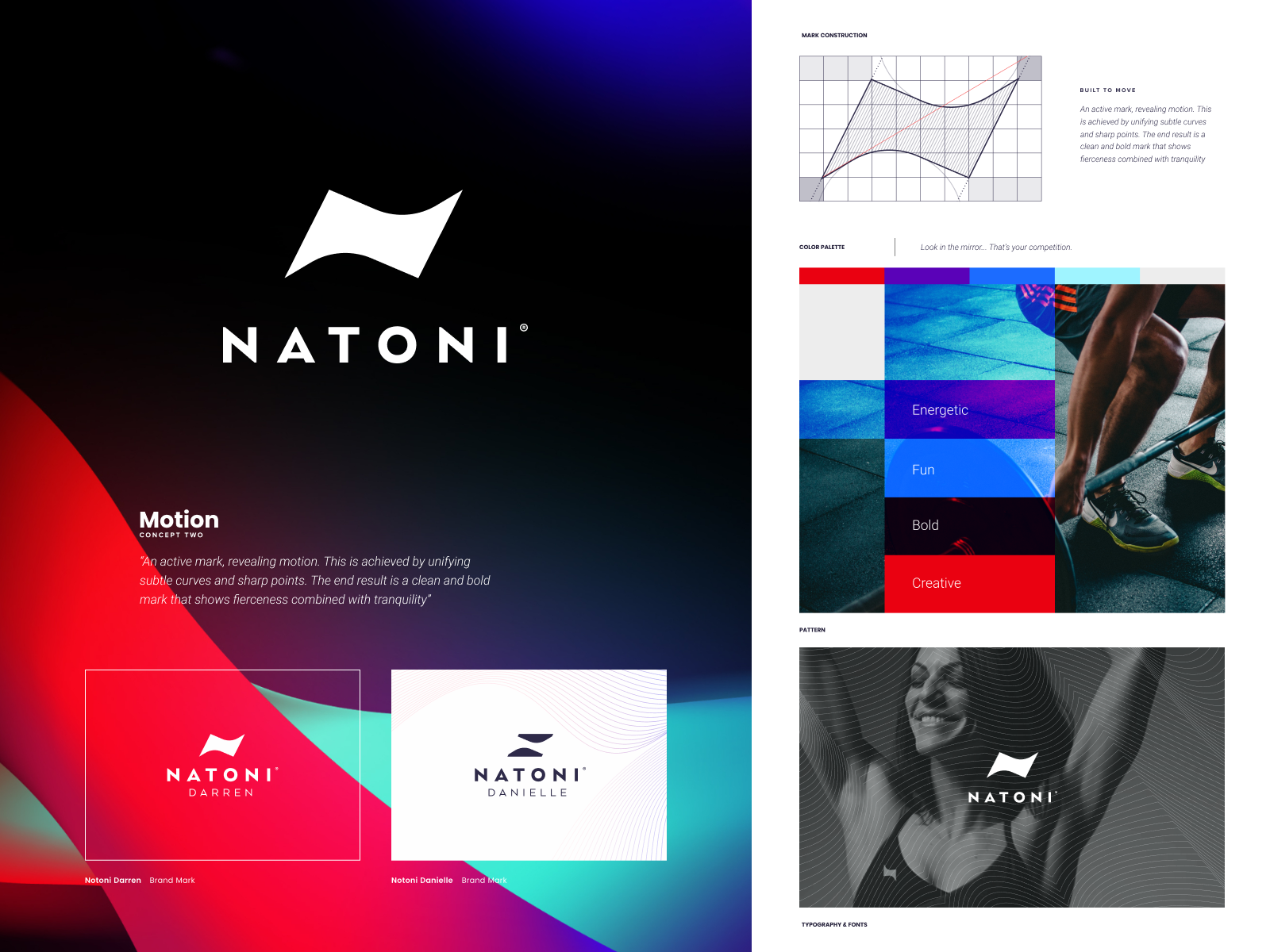
Your brand doesn't exist in a vacuum. Pull your three to five closest competitors and do a quick visual comparison.
Are you visually distinct from them or are you blending in? Is there a color, style, or visual approach the whole category shares that you've accidentally adopted? Are you doing anything that makes you immediately identifiable, or do you look like a category default?
This isn't about redesigning to be contrarian. But if you can't tell your brand from your main competitor's at a glance, that's a business problem, not just an aesthetic one.
Ask three people on your team — from different departments — to describe what your company does and who it's for, without looking at any materials.
Then read what they said. Does it match? Does it match your current website copy? If three people give three substantially different answers, your brand isn't internalized. That means sales conversations are inconsistent, investor pitches drift, hiring conversations tell different stories to different candidates.
Internal alignment is a brand audit category that most checklists ignore. It's arguably the most important one.
This one requires external input. A few sources:
Customer reviews — read your most recent twenty reviews. What words do customers use to describe you? How do they talk about the value you provide? Are they using language you'd use, or language you wouldn't?
Sales call recordings — how do prospects describe you back to you? When they say "I found you because..." or "what I'm hoping you can help with is..." — that's your brand perception speaking.
NPS follow-up responses — the open text responses to "why did you give that score" are often the most honest brand perception data you'll ever get. If you're finding gaps and want a designer's eye on what to fix first, that's a short conversation.
A brand audit produces a list of gaps. Then you prioritize by impact.
Quick wins first. Outdated logo on the email footer? Fix that today. Wrong brand colors in a social template? Update the template. These take twenty minutes and immediately tighten your brand presentation.
Messaging updates next. Update homepage copy, about page, and social bios to reflect your current positioning. This is high leverage because it's read by every prospect before they talk to you.
Systematic inconsistencies after that. If your slide deck fonts are wrong, don't just fix one deck — fix the master template. If your social images are inconsistent, don't just fix tomorrow's post — build a template system.
Strategic brand work last. If the audit reveals your visual identity is genuinely misaligned with where you're going — the brand positioning has evolved but the logo, colors, and visual system haven't caught up — that's a bigger project. Not an emergency, but a roadmap item.
A full brand audit is worth doing:
A lightweight version — just checking visual consistency and messaging accuracy — is worth doing every quarter as part of your regular marketing review.
The brands that seem effortlessly consistent aren't consistent by accident. They're consistent because someone is paying attention, catching the drift before it becomes a gap, and keeping everything aligned as the company evolves.
This is where it gets practical. A brand audit tells you what's wrong. Actually fixing it requires design work.
Some of it is small — template updates, asset replacements, copy changes. Some of it is medium — a messaging refresh, a color palette tightening, a typography system cleanup. And some of it is larger — a visual identity refresh where the brand has meaningfully outgrown its original design.
All of it takes time you probably don't have and skills you may not have in-house.
That's where a design subscription makes sense. At Jamm, you send us the audit findings, and we work through them systematically — one request at a time, with senior designers, ~2 business days per deliverable. No project quotes, no back-and-forth on scope, no waiting for an agency to finish something else before they get to you. Flat monthly rate, cancel anytime.
Your brand is working right now. The question is whether it's working for you or against you. A brand audit tells you which one — and that's the most useful thing you can know.
Hire a team of top level professionals for less money than hiring a single designer. Stupid simple design subscription service to level-up your business!
Looking forward to potentially working with ya ✌️


