Branding
May 21, 2026

Let's not pretend AI logo generators are useless. They're not.
You can get something visually functional in ten minutes for free or close to it. For certain situations, that's the right move. We'll get to which situations those are.
But there's a lot of noise out there — either dismissing AI tools entirely as cheap garbage or overhyping them as democratizing design. The actual answer is more useful than either camp admits.
Here's an honest breakdown of what you get with an AI logo generator versus a custom logo design, and how to think about which one you need right now.
AI logo generators (Looka, Tailor Brands, Brandmark, Canva's logo maker, and a dozen others) work by taking your inputs — company name, industry, style preferences, maybe some keywords — and generating logo options from a database of template shapes, icon libraries, and font combinations.
The more sophisticated ones layer in machine learning to weight style suggestions based on what's worked in your category before. The output is generated fast. You see options in seconds.
What you're actually getting is a remix. The tool is combining existing design elements in ways that are statistically likely to look acceptable. It's not designing from first principles. It's not thinking about your positioning, your competitive landscape, your growth trajectory, or the thirty different contexts your logo will live in.
That distinction matters more than it might seem.
What's genuinely good:
Speed and cost are real advantages. If you need something that looks more professional than a text-only wordmark and you need it today, an AI generator gives you options quickly. For very early-stage companies, pre-product, pre-revenue, using a logo as a placeholder — this is legitimate.
Some generators have gotten genuinely better at producing aesthetically clean, modern-looking marks. If your taste is good and you know what you're selecting for, you can sometimes get an output that works for a while.
AI tools are also useful for rapid concept exploration. Even design teams sometimes use them to quickly see what a mark in a certain direction might feel like before a designer digs into it properly.
Where it breaks down:
Uniqueness is the core problem. The tool is working from shared libraries of shapes and icons. Multiple companies get generated from the same elements. You may end up with a logo that's nearly identical to another company in your space — or a company that's not in your space but is visible enough that the visual overlap creates confusion.
AI-generated logos often don't qualify for full copyright protection on their own. The legal landscape on this is still evolving, but the practical implication is you may not have the exclusive rights to a mark the way you would with a fully custom-designed original.
File formats and scalability are also real issues. Many generators only provide low-resolution exports unless you upgrade or pay for a premium tier. You'll need SVG or vector files for print, for embroidery on merch, for large-format anything. Raster files (JPEG, PNG) that look fine on a website fall apart on a billboard or a trade show banner.
The deeper problem is less visible: AI tools can't make the strategic decisions. They don't know you're planning to expand into enterprise next year and need to look more serious. They don't know you're going head-to-head with a competitor that uses a very similar visual language. They don't know that the abstract icon you selected reads as something unfortunate in the primary market you're entering.
This is worth dwelling on. Every AI logo tool will give you customization within the platform — swap colors, try different fonts, resize elements. You're working within the tool's design vocabulary, and that vocabulary has limits.
Those limits are fine at low stakes. They become real constraints when you need something that goes beyond the options available — which happens as soon as your brand has specific requirements, positioning nuances, or just a vision that the tool's design library wasn't built for.
What's genuinely good:
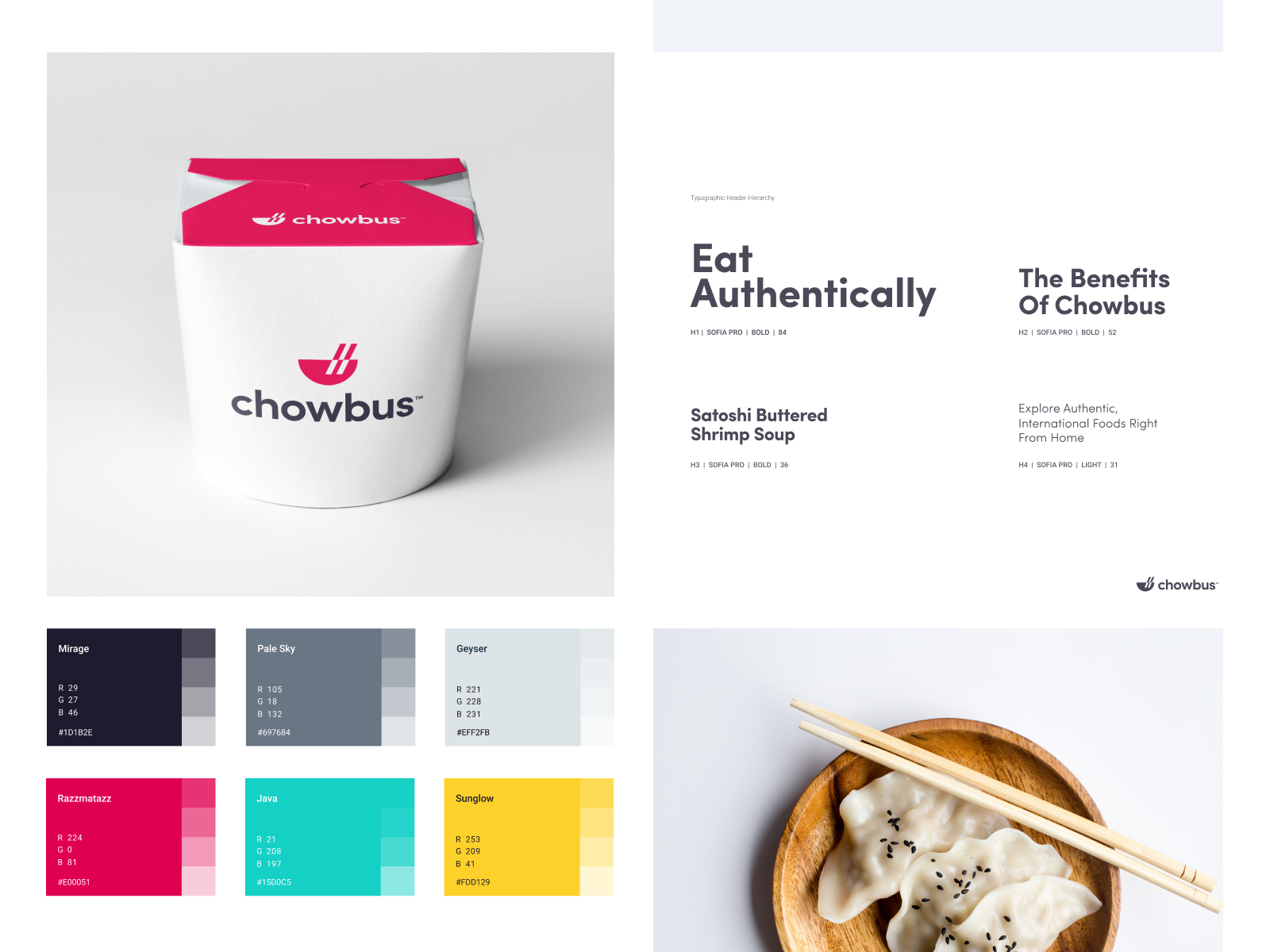
Originality is the headline. A designer working from scratch creates something that doesn't exist anywhere else. No shared icon library. No template shapes. The mark is built from the concept up, specific to your brand, your positioning, and what you want people to feel when they see it.
A good designer is also thinking strategically, not just aesthetically. They're asking what this logo needs to accomplish. Does it need to look credible to enterprise buyers? Approachable to a consumer audience? Premium without being inaccessible? Those aren't aesthetic questions — they're business questions, and the answers shape every design decision.
Custom design also produces proper file deliverables. Vector files (AI, EPS, SVG) that scale to any size without degrading. Versions for light backgrounds, dark backgrounds, and single-color use. Favicon-optimized versions. The full kit you need to actually deploy a logo across your brand.
And critically: you own it. A custom-designed logo, delivered as a fully custom mark created for you, is yours. You can trademark it. You can own it without ambiguity.
Where it has real costs:
Time and money are the actual constraints. Good custom logo design takes time — for exploration, for iteration, for refinement. Depending on how you're sourcing design work, it can also be expensive.
The traditional agency model for brand identity — full project scope, discovery workshops, concept presentations, revision rounds — is slow and priced accordingly. That's not the only model anymore, but it's why a lot of founders look at AI tools first. If you're at the stage where you're ready for real brand design and want to see how a design subscription actually works, a short call makes sense.
Here's the framework that actually matters.
Use an AI logo generator if:
Move to custom design when:
The mistake most founders make is staying with an AI-generated logo past the point where it's serving them. It's a placeholder that became permanent because rebranding felt like a project and there was always something more pressing.
That's understandable. But brand equity builds slowly and inconsistently rebuilds. The longer you operate under a logo that doesn't fit, the more work it takes to rebuild the association when you finally upgrade.
There's a middle ground worth mentioning. Some designers now use AI tools for exploration and rapid ideation, then do the actual design work — refinement, custom curves, strategic decision-making, full file package — by hand. You get some of the speed benefit of AI without the ceiling on quality or originality.
This isn't the same as using an AI logo generator. The designer is using AI as a tool the way they'd use a mood board or a sketch app. The judgment, the strategy, the craft — that's still human.
The output is meaningfully different from a generated logo, even when the process involves AI somewhere in the middle.
Jamm is a design subscription — unlimited requests, flat monthly rate, senior designers, ~2 business day turnaround. Logo work and brand identity are squarely in scope.
If you're at the stage where an AI logo isn't cutting it anymore, or you're building a brand from scratch and want to do it right from the start, that's what we're here for. You submit the request, we design it, you give feedback, we iterate. One request at a time, moving steadily through your backlog.
No project quotes. No retainer negotiation. No agency pitch decks. Just design work, consistently, on your timeline.
AI logo generators are a fine starting point. They are not a destination. The brands that last — the ones that become identifiable, trustworthy, memorable — are built on design that was actually thought through.
That's what you actually get.
Hire a team of top level professionals for less money than hiring a single designer. Stupid simple design subscription service to level-up your business!
Looking forward to potentially working with ya ✌️


