Branding
May 21, 2026


Not every design decision deserves the same budget. Some design investments have compounding returns. Others are genuinely fine to do cheaply. Knowing the difference is how bootstrapped teams get more design value per dollar than companies spending 10x their budget.
Here's the practical framework for affordable design services: where cutting costs is smart, and where going cheap creates expensive problems later.
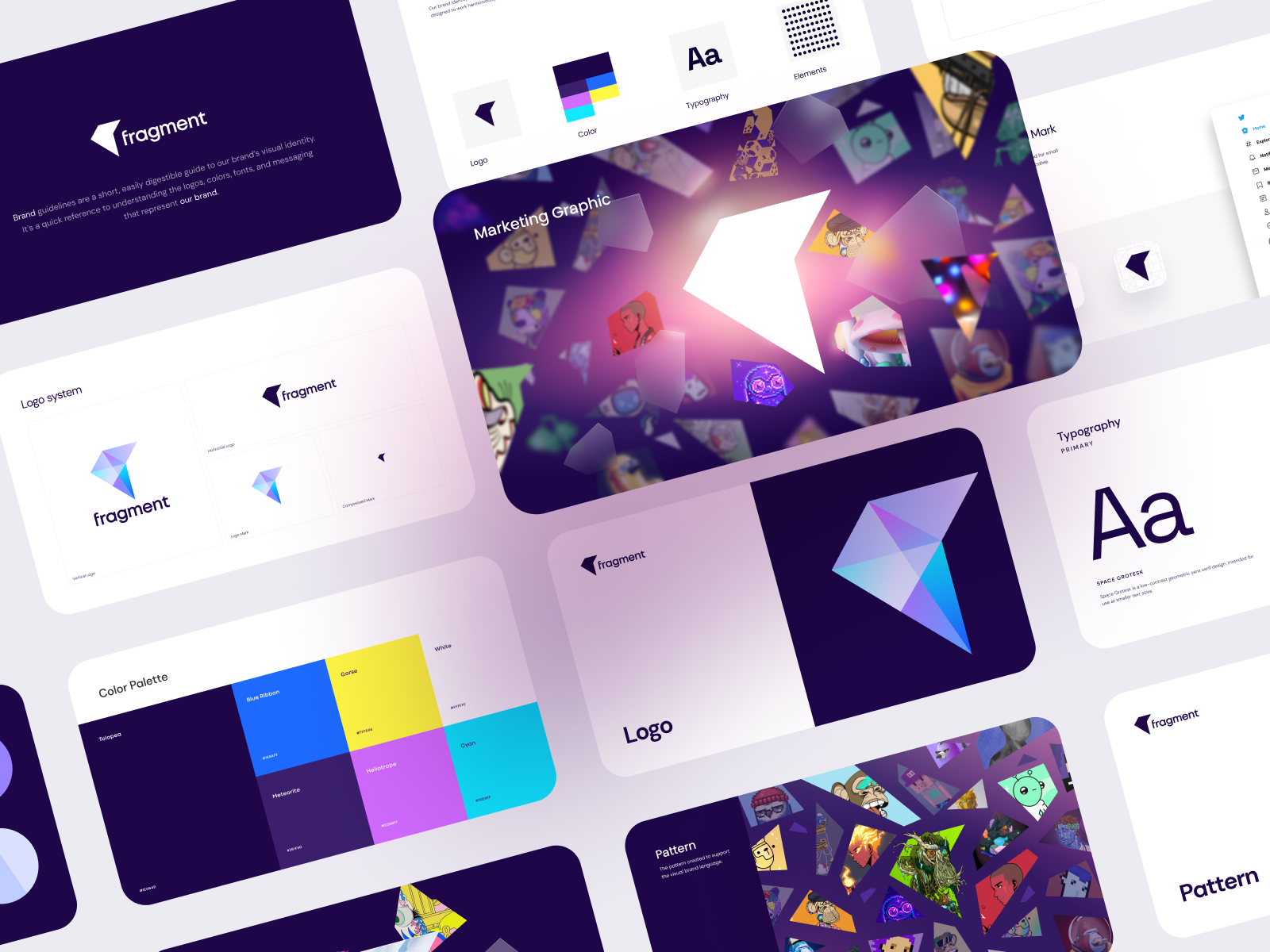
Your logo, color palette, and visual system appear on everything: your website, your pitch deck, your LinkedIn, your proposals, your product. If this is inconsistent or looks amateur, it creates friction at every touchpoint before anyone reads a word.
The compounding effect here is significant. A weak brand identity doesn't just affect the logo: it affects how your website looks, how your marketing performs, how investors perceive you. Investing in solid brand work early, and doing it once rather than three times as the first two versions need to be replaced, is almost always cheaper in the long run.
Minimum viable investment: $2,000-$5,000 for a professional brand identity. Yes, you can get a logo for less. You usually get what you pay for.
Your website is working 24/7 as your best salesperson. A site that looks dated, loads slowly, or confuses visitors in the first five seconds costs you in bounce rates and lower conversion before you ever talk to a prospect.
This is not the place to use a free theme with zero customization. The opportunity cost of a poorly converting website is measured in leads and sales, not just in how it looks.

Minimum viable investment: $3,000-$8,000 for a professionally designed site with a functional CMS. Or a design subscription that handles ongoing web design as you grow.
If you're raising, your deck is how investors form their first opinion of your team's execution capability. Sloppy design signals sloppiness elsewhere. A well-designed deck doesn't guarantee a yes, but a poorly designed one will create an uphill battle.
This is a relatively contained investment ($1,500-$3,000 for a professionally designed deck) with potentially enormous returns. Don't use PowerPoint defaults for a Series A.
Design quality matters at customer-facing touchpoints. For internal presentations, internal wikis, team documentation, and back-office materials, functionality matters more than aesthetics. Polished Notion templates, well-formatted Google Docs, and serviceable slide decks are fine here.
Before you've found product-market fit and established a brand voice, it's reasonable to produce social content more cheaply: basic Canva templates, stock images used thoughtfully. As your brand solidifies and social media becomes a meaningful growth channel, invest more. Don't over-invest before you know what's resonating.
If you're printing hundreds of flyers for a conference, the difference between a $200 design and a $1,000 design may not justify the cost difference. Template-based collateral for low-stakes print materials is a reasonable place to economize.
When you're A/B testing landing page variants or running quick paid campaign tests, you don't need pixel-perfect design for every variant. Get good enough design, test, then invest more in the winner.
Two questions determine where to spend:
What are the stakes? A landing page for a major product launch gets more design budget than a one-time event promotion. Your primary homepage gets more than a secondary blog page. Investor materials get more than internal templates.
How long will it last? Brand work you'll use for three years justifies more investment than a campaign asset you'll use for two weeks. Per-use cost is the right metric.
Invest in systems, not one-offs. A brand identity system or a design component library is reusable. A one-off logo isn't. Systems multiply the value of the initial investment.
Use a subscription for ongoing work. For teams with consistent ongoing design needs, a subscription eliminates the overhead cost of sourcing and briefing for each project. The effective per-project cost drops significantly compared to project-based billing.
Brief well. The most expensive part of design work is revision rounds caused by unclear briefs. Spending 30 minutes writing a thorough brief saves hours of iteration. That's free budget efficiency.
Don't over-design before you've found PMF. A $15,000 brand identity before you've validated your market is money at risk. Match your design investment to your stage.
Jamm works with founders at different stages of growth. Whether you need a solid brand at seed stage or a full design stack at Series A, a flat-rate subscription makes ongoing design predictable. Book a call to talk through your design priorities and budget.
The full cost of low-quality design isn't visible at purchase time. It shows up later, in specific ways.
Redesign costs. A logo built on a $99 platform may look fine as a 200px web image. It fails at large format, on merchandise, on signage, or when you need a transparent or single-color version. The average company that goes the cheap route on a logo redesigns it within 18 months — paying twice (or three times) for the same work.
Conversion rate drag. A poorly designed landing page doesn't fail spectacularly; it just converts worse. A page that converts at 2% instead of 4% on 10,000 monthly visitors costs you 200 leads per month. At any reasonable lead-to-close rate, that's a measurable revenue impact that never shows up on a design invoice.
Brand dilution. When your website, pitch deck, LinkedIn profile, and email signature all look slightly different from each other because each one was designed by a different cheap vendor at a different time, your brand doesn't read as a brand. Investors notice. Enterprise buyers notice. Candidates you're trying to hire notice. The perception cost is real even if it's hard to quantify.
There's a meaningful difference between spending less and going cheap. A few approaches that save money without the downsides.
Use a design system once you have a brand. The most expensive design per unit is one-off work. Every time a designer starts from scratch on a format they haven't done for you before, there's ramp-up time and iteration. A component library or design system turns one design investment into a multiplier: every new asset starts from components that already fit your brand, rather than from a blank canvas.
Focus quality investment on the first version of each asset type. Get your email template right once, then replicate it. Get your social post format dialed in once, then vary the content. The first well-designed version of any template amortizes across every subsequent use.
Use a subscription for ongoing work, and project-based for foundational work. Brand identity and website design benefit from a structured project engagement with defined deliverables. Everything that comes after — the ongoing marketing content, the quarterly deck updates, the product one-pagers — is better served by a subscription that removes the overhead of quoting and briefing each piece.
Hire a team of top level professionals for less money than hiring a single designer. Stupid simple design subscription service to level-up your business!
Looking forward to potentially working with ya ✌️


